


 GesiaPlatform Launches Carbon-Neutral Lifestyle App ‘Net Zero Heroes’
  Trump Endorses Japan’s Sanae Takaichi Ahead of Crucial Election Amid Market and China Tensions
  Rise of the Zombie Bugs takes readers on a jaw-dropping tour of the parasite world
  LA fires: Fast wildfires are more destructive and harder to contain
  Burkina Faso and Mali’s fabulous flora: new plant life record released
  Asian Stocks Slip as Tech Rout Deepens, Japan Steadies Ahead of Election
  Oil Prices Slide on US-Iran Talks, Dollar Strength and Profit-Taking Pressure
  Japanese Pharmaceutical Stocks Slide as TrumpRx.gov Launch Sparks Market Concerns
  Parasites are ecological dark matter – and they need protecting
  Drug pollution in water is making salmon take more risks – new research
  Thousands of satellites are due to burn up in the atmosphere every year – damaging the ozone layer and changing the climate
  What’s so special about Ukraine’s minerals? A geologist explains
  India–U.S. Interim Trade Pact Cuts Auto Tariffs but Leaves Tesla Out
  South Africa Eyes ECB Repo Lines as Inflation Eases and Rate Cuts Loom
  Fed Governor Lisa Cook Warns Inflation Risks Remain as Rates Stay Steady


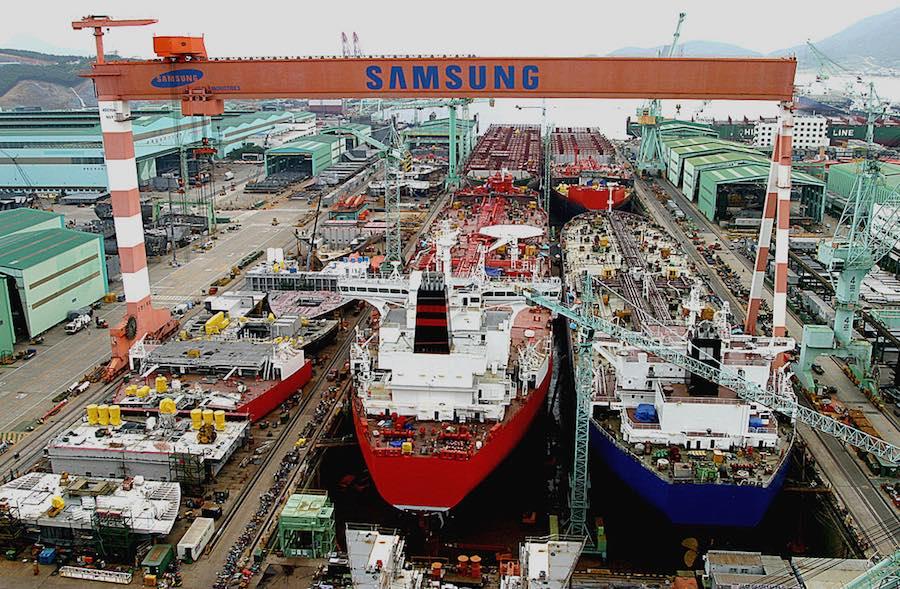
Samsung Heavy Industries Co. has developed the world’s first thermoelectric generator in cooperation with LG Innotek Co. that reduces fuel cost and carbon dioxide emissions of ships.
The eco-friendly generator produces electricity by being mounted on the surface of equipment generating heat, such as ship engines.
Samsung Heavy will apply the device to 174,000-cubic meter LNG carriers to be delivered to Japanese shipping company NYK Line in December.
The South Korean shipbuilder has been developing eco-friendly alternatives.
In late September, Samsung Heavy inked a joint development program (JDP) agreement with Wartsila to develop ammonia-fulled vessels with 4-stroke auxiliary engines available for new-build projects.
Ammonia is regarded as among the carbon-free marine fuels that may replace oil.













