


 Samsung, Union Edge Closer to Deal as Strike Threat Looms
  SpaceX Shareholders Approve 5-for-1 Stock Split Ahead of Potential IPO
  YouTube and Snap Settle School District Mental Health Lawsuit Ahead of Major Social Media Trial
  Amazon Faces Class-Action Lawsuit Over Trump Tariff Price Hikes
  Blackstone and Google Launch AI Cloud Venture, Pressuring CoreWeave and Nebius Shares
  Anthropic to Brief Financial Stability Board on AI-Driven Cyber Risks
  Thyssenkrupp to Shut Down Indiana Automotive Plant by March 2026
  Applied Materials Forecasts Strong Q3 Revenue as AI Chip Demand Accelerates
  Samsung Faces Major Strike Threat as Union Restarts Pay Talks
  Cisco Restructures for AI Growth After Record Q3 Revenue
  OpenAI Wins Elon Musk Lawsuit as Jury Rejects Claims Over AI Mission
  Analog Devices Nears $1.5B Acquisition of AI Chip Firm Empower Semiconductor
  FTC Antitrust Probe Targets Arm Holdings Over Chip Licensing Practices
  TrumpRx Expands Discount Drug Access With 600 Generic Medications
  Alphabet Raises Record $3.6 Billion in Yen Bonds to Support AI Expansion


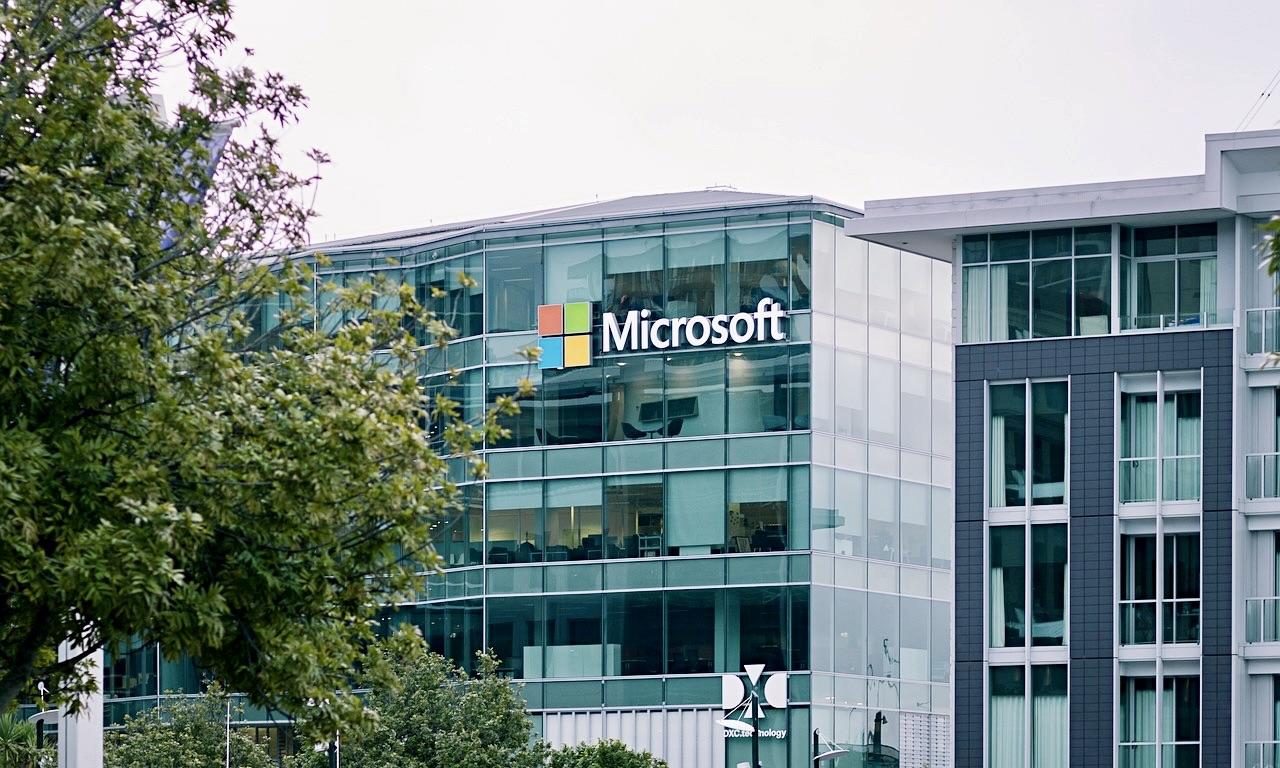
Microsoft Corporation and Siemens AG have inked a deal to work on artificial intelligence (AI) projects together. The main objective of their partnership is to push AI adoption in most, if not all, business sectors.
Microsoft and Siemens unveiled a new generative AI assistant that caters to various professionals in the fields of transportation, healthcare, manufacturing, and infrastructure industries. Likewise, they hope that through their joint project, they will be able to boost the use of AI in industrial sectors.
The New AI Assistant for Productivity
The companies introduced the Siemens Industrial Copilot, which has been described as a generative AI-powered assistant that was specially made to improve productivity as well as human-machine collaboration. Microsoft and Siemens will also work on building copilots designed for specific industries.
According to Reuters, Schaeffler AG, a German automotive supplier, is one of the first few firms to have adopted the collaborative Siemens Industrial Copilot. In any case, the companies did not disclose the amount involved in their latest partnership deal.
Application of AI Tech Across Various Industries
Schaeffler AG said that using the new generative AI greatly helped the business. In particular, it boosted its engineers’ program industrial automation systems, which are now functioning like robots. Microsoft and Siemens intend to provide this same experience to as many businesses as possible to make their work faster and easier.
“With this next generation of AI, we have a unique opportunity to accelerate innovation across the entire industrial sector,” Microsoft’s chairman and chief executive officer, Satya Nadella, said in a press release. “We are building on our longstanding collaboration with Siemens and bringing together AI advances across the Microsoft Cloud with Siemens’ industrial domain expertise to empower both frontline and knowledge workers with new, AI-powered tools, starting with Siemens Industrial Copilot.”
Roland Busch, Siemens AG’s chief executive officer, further said, “Together with Microsoft, our shared vision is to empower customers with the adoption of generative AI. This has the potential to revolutionize the way companies design, develop, manufacture, and operate.”
He added that “Making human-machine collaboration more widely available allows engineers to accelerate code development, increase innovation, and tackle skilled labor shortages.”
Photo by: Tawanda Razika/Pixabay







