


 Samsung Electronics Eyes Record Q1 Profit Amid AI-Driven Chip Boom
  Federal Judge Blocks Pentagon's Blacklisting of AI Company Anthropic
  Apple Turns 50: From Garage Startup to AI Crossroads
  Reflection AI Eyes $25 Billion Valuation in Massive $2.5 Billion Funding Round
  Nanya Technology Shares Surge 10% After $2.5 Billion Private Placement from Sandisk and Cisco
  Google's TurboQuant Algorithm Sends Memory Chip Stocks Tumbling
  MATCH Act Targets ASML and Chinese Chipmakers in New U.S. Export Crackdown
  OpenAI Executive Shake-Up Ahead of Anticipated 2026 IPO
  TSMC Japan's Second Fab to Produce 3nm Chips by 2028
  Microsoft's $10 Billion Japan Investment: AI Infrastructure and Data Sovereignty Push
  NASA's Artemis II Crew Arrives in Florida for Historic Moon Mission
  Makemation: a Nollywood movie that shows AI in action in Africa
  Cybersecurity Stocks Tumble After Anthropic's Claude Mythos AI Leak Sparks Market Fears
  Apple's Foldable iPhone Faces Engineering Setbacks, Mass Production Timeline at Risk
  Annie Altman Amends Sexual Abuse Lawsuit Against OpenAI CEO Sam Altman
  Elon Musk Ties SpaceX IPO Access to Mandatory Grok AI Subscriptions


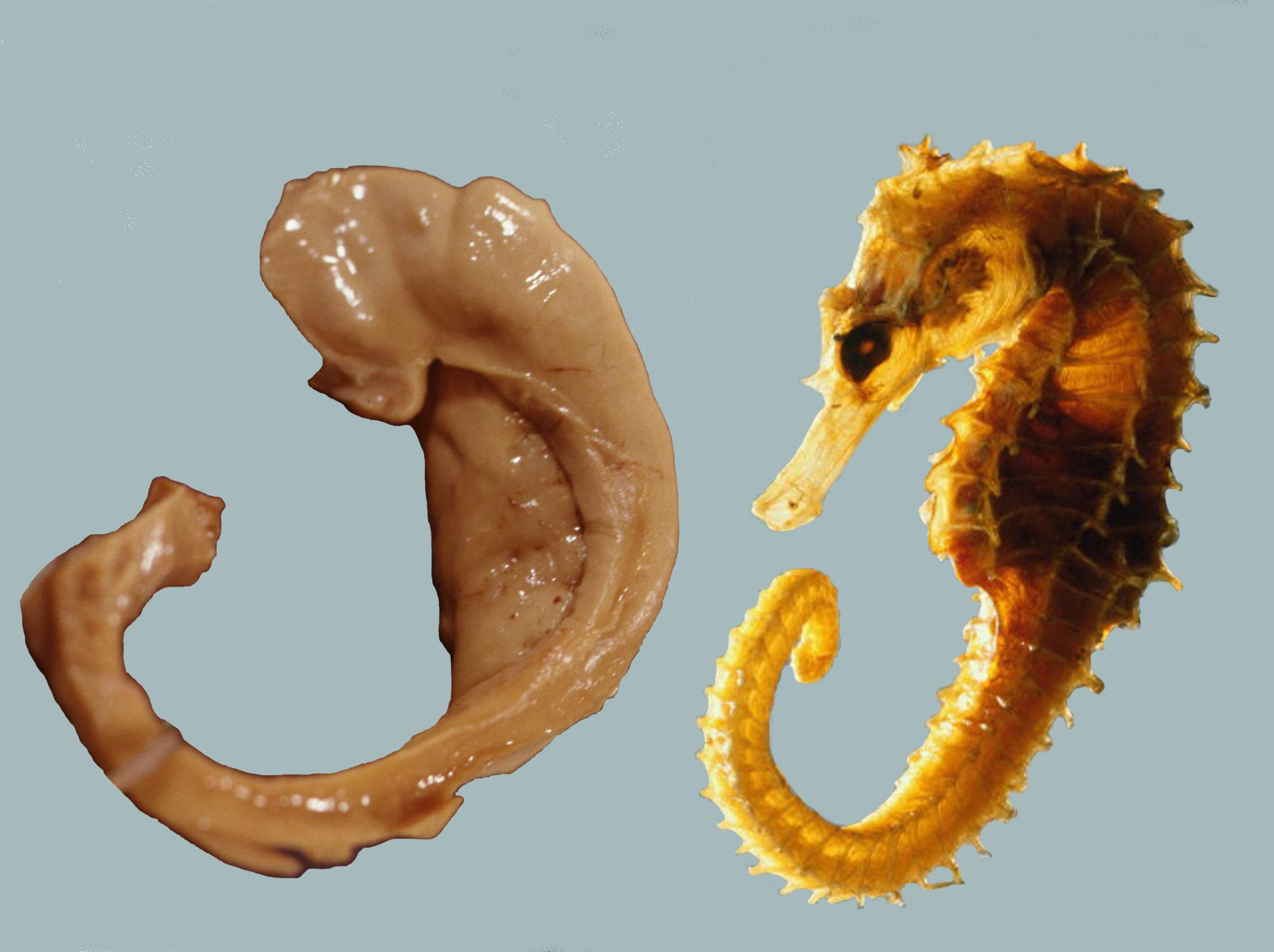
As the world progresses to a more technologically advanced state, it has had a staggering effect on the attention span and memory of humans. With the prospect of challenges related to retaining good memory as people age looming over society, new ways of preserving those precious synapses are needed. Some scientists are thinking that perhaps brains implants are the key.
One of the leading researchers looking into this option is biomedical engineer Theodore Berger from the University of Southern California. According to his university profile, Berger basically uses theoretical models in biology in order to address development in the neural systems of mammals. In this case, he posits that combining biology and technology could result in a system that preserves memory.
This is a concept that has been rolling around the minds of scientists for quite a while, especially with the help of popular sci-fi mediums that have been fueling the imagination of regular people and researchers alike. The idea of simply having a machine in the brain to boost the memory of humans isn’t really foreign, but it has so far been difficult to achieve.
This might not be the case for long. By developing something that he calls an “artificial hippocampus,” Berger has placed humans one step closer to becoming machine-enhanced beings.
The hippocampus is a part of the brain that is largely responsible for making short-term memory into long-term memory. It’s basically what allows people to remember people or events from years or even decades ago.
During animal trials involving that same part of the brain, Berger noticed what he calls “space-time code” buried in the pattern of the hippocampus firing up, Futurism reports. Different signals represent different types of memories. This allowed Berger to create a mathematical formula with his team, which allowed them to implant memories into lab rats.
Naturally, making the leap from rat to humans isn’t going to be easy, but the implications are still staggering. For one thing, if Berger or some other group of scientists manage to succeed, humans could theoretically have perfect memory for life.







