


 Gold Prices Slide Below $5,000 as Strong Dollar and Central Bank Outlook Weigh on Metals
  How America courted increasingly destructive wildfires − and what that means for protecting homes today
  Silver Prices Plunge in Asian Trade as Dollar Strength Triggers Fresh Precious Metals Sell-Off
  Global Markets Slide as AI, Crypto, and Precious Metals Face Heightened Volatility
  Fed Governor Lisa Cook Warns Inflation Risks Remain as Rates Stay Steady
  Drug pollution in water is making salmon take more risks – new research
  Gold and Silver Prices Rebound After Volatile Week Triggered by Fed Nomination
  U.S.-India Trade Framework Signals Major Shift in Tariffs, Energy, and Supply Chains
  Bank of Japan Signals Readiness for Near-Term Rate Hike as Inflation Nears Target
  Lake beds are rich environmental records — studying them reveals much about a place’s history
  Singapore Budget 2026 Set for Fiscal Prudence as Growth Remains Resilient
  What’s so special about Ukraine’s minerals? A geologist explains
  South Korea Assures U.S. on Trade Deal Commitments Amid Tariff Concerns


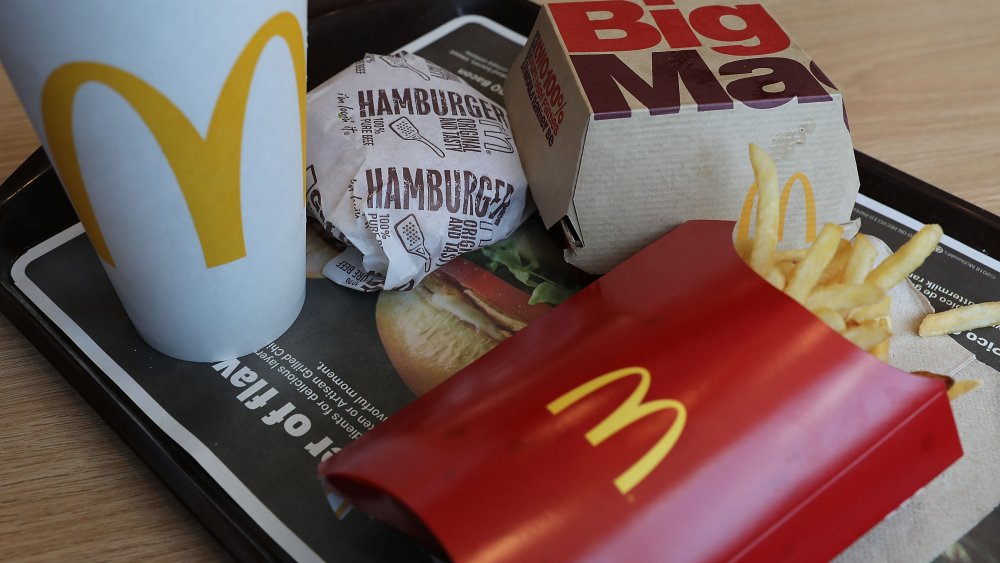
McDonald's Corp claims that it has sourced 99.6 percent of its paper food packaging in restaurants from recycled or sustainable fiber in 2020, up from 92 percent in 2019.
In its annual sustainability report, the global burger chain identified the packaging as consisting of paper bags, food wrappers, napkins, and cup carriers.
With McDonald's having over 39,000 restaurants globally, small changes can ripple into other industries and companies.
McDonald's goal is for all its customer packagings to come from renewable, recycled, or certified sources by 2025.
Currently, 80 percent of its packaging comes from such sources.
The company also pointed out that it uses paper straws and wooden cutlery in multiple markets and exploring reusable cups and fiber lids.













