


 1 in 3 uni students experience serious financial hardship. Could concession cards for all help?
  Booked to travel through the Middle East? Here’s why you shouldn’t cancel your flight
  How to support someone who is grieving: five research-backed strategies
  What is Zionism? The different meanings of a contested term
  AI is driving down the price of knowledge – universities have to rethink what they offer
  Disaster or digital spectacle? The dangers of using floods to create social media content
  Stuck in a creativity slump at work? Here are some surprising ways to get your spark back
  Yes, government influences wages – but not just in the way you might think
  Office design isn’t keeping up with post-COVID work styles - here’s what workers really want
  Locked up then locked out: how NZ’s bank rules make life for ex-prisoners even harder
  Heritage, desire and diplomacy: why China still values scotch whisky
  Debate over H-1B visas shines spotlight on US tech worker shortages
  Why financial hardship is more likely if you’re disabled or sick
  Why a ‘rip-off’ degree might be worth the money after all – research study
  The ghost of Robodebt – Federal Court rules billions of dollars in welfare debts must be recalculated


 Add as a preferred source on Google
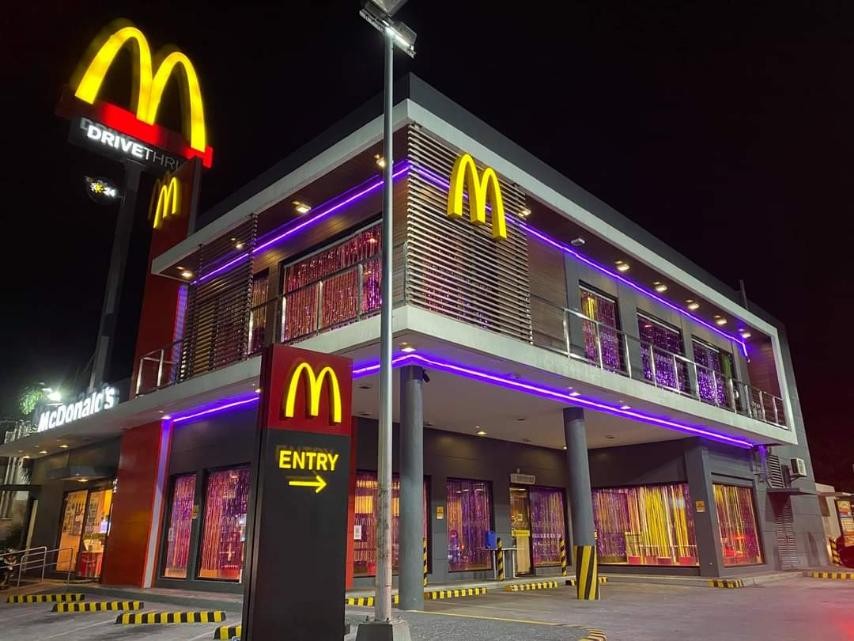
McDonald’s Corp., reeling from a severe E. Coli outbreak tied to its iconic Quarter Pounder burgers, has announced a $100 million plan to repair its reputation and restore consumer confidence. The outbreak, which claimed one life and sickened over 100 people, sent shockwaves through the fast-food industry, prompting drastic measures from the global chain.
The company detailed its recovery strategy in a memo to employees and franchisees, highlighting a two-pronged approach: a $35 million investment in advertising and marketing campaigns, and $65 million in financial support for franchisees. The financial assistance will include deferrals on rent and royalties to alleviate the economic toll on franchise operators, many of whom have reported significant declines in sales and foot traffic.
Quarter Pounders Return to Menus
Following the removal of Quarter Pounders from approximately 20% of its 13,000 U.S. locations, McDonald’s confirmed that the burgers—now featuring a new supply of fresh slivered onions—are back on menus nationwide. The company emphasized that the onions, previously identified as the outbreak’s likely source, have been replaced with a safe supply after rigorous testing.
The U.S. Centers for Disease Control and Prevention (CDC) announced in October that it was investigating the E. Coli outbreak, which was linked to the fresh onions used as toppings. The outbreak led to widespread consumer fear and a dramatic decrease in sales, forcing McDonald’s to act decisively to reassure its customers and franchisees.
A $100 Million Path to Recovery
McDonald’s plans to pour $35 million into marketing campaigns aimed at rebuilding consumer trust and encouraging diners to return. The company is focusing on messages that emphasize quality, safety, and its commitment to addressing the crisis. Meanwhile, the remaining $65 million will be directed toward supporting franchisees, with rent and royalty deferrals providing much-needed relief to struggling operators.
“We are committed to helping our franchisees navigate this difficult period,” the memo stated. “The health and safety of our customers and employees remain our top priority.”
Sales Plummet Amid Public Outcry
The outbreak has had a significant impact on McDonald’s sales, with foot traffic falling sharply in affected locations. Industry analysts suggest that the company’s swift and transparent response could be critical in mitigating long-term damage to its reputation. However, critics have raised questions about how such a serious outbreak was allowed to occur, pointing to potential lapses in supply chain oversight.
Future Challenges
While McDonald’s aggressive recovery plan aims to stabilize its operations, industry experts warn that regaining consumer trust may take time. The fast-food giant must balance immediate financial support for franchisees with a sustained effort to reassure customers about food safety.
The company’s response to the outbreak will likely serve as a case study for crisis management in the fast-food industry, with McDonald’s betting heavily on a $100 million strategy to reclaim its reputation as a leader in the sector.







