


 SpaceX IPO Filing Expected This Week as Valuation Could Surpass $75 Billion
  Makemation: a Nollywood movie that shows AI in action in Africa
  Britain Courts Anthropic Amid US Defense Department Dispute
  Elon Musk Ties SpaceX IPO Access to Mandatory Grok AI Subscriptions
  Microsoft Eyes $7B Texas Energy Deal to Power AI Data Centers
  Google's TurboQuant Algorithm Sends Memory Chip Stocks Tumbling
  NASA's Artemis II Crew Arrives in Florida for Historic Moon Mission
  SMIC Allegedly Supplies Chipmaking Tools to Iran's Military, U.S. Officials Warn
  OpenAI Pulls the Plug on Sora, Ending $1 Billion Disney Partnership
  Cybersecurity Stocks Tumble After Anthropic's Claude Mythos AI Leak Sparks Market Fears
  SK Hynix Eyes Up to $14 Billion U.S. IPO to Fund AI Chip Expansion
  Apple Turns 50: From Garage Startup to AI Crossroads
  Chinese Universities with PLA Ties Found Purchasing Restricted U.S. AI Chips Through Super Micro Servers
  Rubio Directs U.S. Diplomats to Use X and Military Psyops to Counter Foreign Propaganda
  Federal Judge Blocks Pentagon's Blacklisting of AI Company Anthropic
  MATCH Act Targets ASML and Chinese Chipmakers in New U.S. Export Crackdown


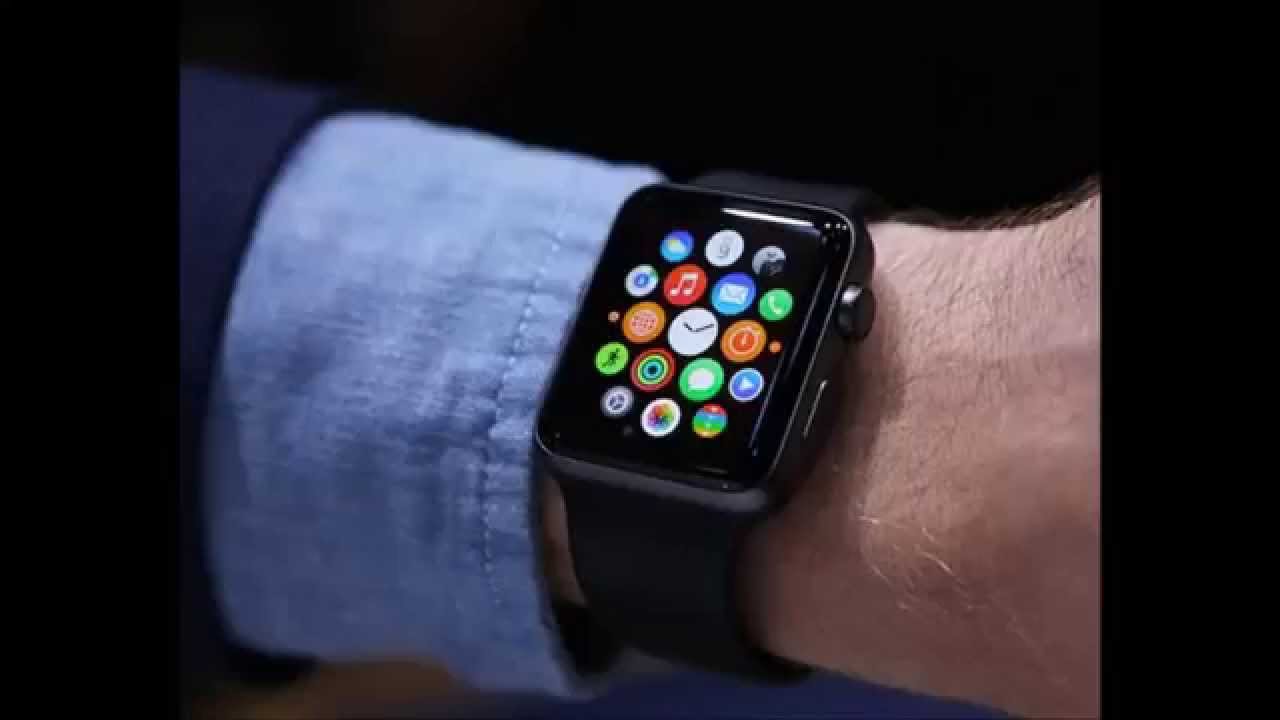
When the first version of the Apple Watch was unveiled, Apple took the opportunity to try to break into the luxury wristwear market. It did this with the $10,000 and up versions of their already expensive wearables, which were made of actual gold. Fast-forward a few years later and the tech company seems to have completely given up trying to become the high-tech Rolex or Swatch.
The Watch 2 lineup of smartwatches by Apple will now come with a ceramic white version on top of the aluminum and stainless steel versions, Ars Technica reports. There was no mention of any version that tops the $10,000 mark, however, which seems to signal an end to Apple’s ambitious project.
Customers are instead only given the option of the $1,249 white ceramic version for the high-end “Apple Watch Edition,” which is only three times more expensive than the aluminum smartwatch. The stainless steel wearable cost half that as well, which does beg the question of whether or not the so-called luxury version is even worth the extra money it charges.
The Verge notes that Apple’s example is going to be one that the rest of the giant tech brands are going to remember. The next time one of them tries to woo buyers of insanely expensive watches, hype and short-lived trends are not the most useful tools. In any case, it’s clear that the market rebuffed Apple’s attempt at presenting itself as a more fashion-worthy retailer that can cater to even the swankiest of customers.
Speaking of which, the new Apple Watch line does boast a waterproof feature, which the company is claiming can withstand being submerged in water for up to 50 meters in depth. However, Business Insider cautions users to be wary of putting this feature to the test since an untested $370 device can be a heartbreaking thing to lose; even more so if it gets busted out of curiosity.







