


 Oil Prices Fall as Middle East Ceasefire Hopes Rise
  Bank of Korea Raises Rates to 3% as Inflation Stays Sticky
  AI is driving down the price of knowledge – universities have to rethink what they offer
  Gold Prices Hover Near Three-Month High as Oil, Treasury Yields Fall
  Can your cat recognise you by scent? New study shows it’s likely
  Hong Kong Home Prices Fall 0.5% in July, Ending Long Winning Streak
  Asian Energy Stocks Slide as Iran-Oman Hormuz Talks Pressure Oil Prices
  OpenAI Data Center Chief Chris Malone Exits Ahead of Planned 2027 Listing
  What’s the difference between baking powder and baking soda? It’s subtle, but significant
  Meta, U.S. States Discuss Settlement in Teen Addiction Trial
  Carney’s Trump Tariff Pushback Wins Canadian Support, but Economic Risks Mount
  Dollar Steady Ahead of Jackson Hole as Yen Holds Firm
  6 simple questions to tell if a ‘finfluencer’ is more flash than cash
  Yindjibarndi Appeals Fortescue Mining Compensation Ruling


 Add as a preferred source on Google
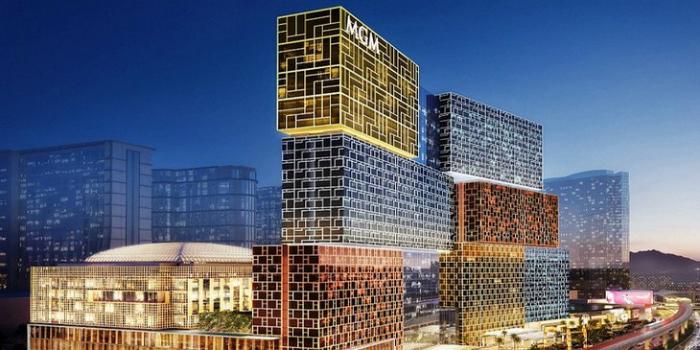
Casino operator MGM China Holding will inject 4.8 billion patacas ($594 million) into its MGM Grande Paradise unit as it eyes to resume operating its gaming business in Macau.
According to the terms of a revised gaming law passed by Macau's legislature earlier this year, a casino must have a minimum capital requirement of 5 billion patacas, and the concessionaire's managing director must be a Macau permanent resident who owns at least 15% of the capital.
MGM China, the Chinese arm of MGM Resorts International, announced that if the company is awarded the new concession, co-chairperson Pansy Ho will take over.
MGM Grande Paradise will issue 4.07 million Class A shares to the company for an aggregate subscription price of 4.07 billion patacas, and another 730,000 Class B shares will be issued and transferred to Ho.
MGM China and Ho's stakes in MGM Grande Paradise will rise to 84.6% and 15%, respectively, after the transaction, while MGM Resort International's stake will fall to 0.4% from 10%.







