


 Nanya Technology Shares Surge 10% After $2.5 Billion Private Placement from Sandisk and Cisco
  TSMC Japan's Second Fab to Produce 3nm Chips by 2028
  Elon Musk Ties SpaceX IPO Access to Mandatory Grok AI Subscriptions
  OpenAI Executive Shake-Up Ahead of Anticipated 2026 IPO
  Microsoft Eyes $7B Texas Energy Deal to Power AI Data Centers
  Annie Altman Amends Sexual Abuse Lawsuit Against OpenAI CEO Sam Altman
  Samsung Electronics Eyes Record Q1 Profit Amid AI-Driven Chip Boom
  California's AI Executive Order Pushes Responsible Tech Use in State Contracts
  Microsoft's $10 Billion Japan Investment: AI Infrastructure and Data Sovereignty Push
  SpaceX IPO Filing Expected This Week as Valuation Could Surpass $75 Billion
  Meta Ties Executive Pay to Aggressive Stock Price Targets in Major Retention Push
  Chinese Universities with PLA Ties Found Purchasing Restricted U.S. AI Chips Through Super Micro Servers
  Rubio Directs U.S. Diplomats to Use X and Military Psyops to Counter Foreign Propaganda
  NASA's Artemis II Mission: First Crewed Lunar Journey Since Apollo
  Makemation: a Nollywood movie that shows AI in action in Africa
  Meta and Google just lost a landmark social media addiction case. A tech law expert explains the fallout
  SMIC Allegedly Supplies Chipmaking Tools to Iran's Military, U.S. Officials Warn


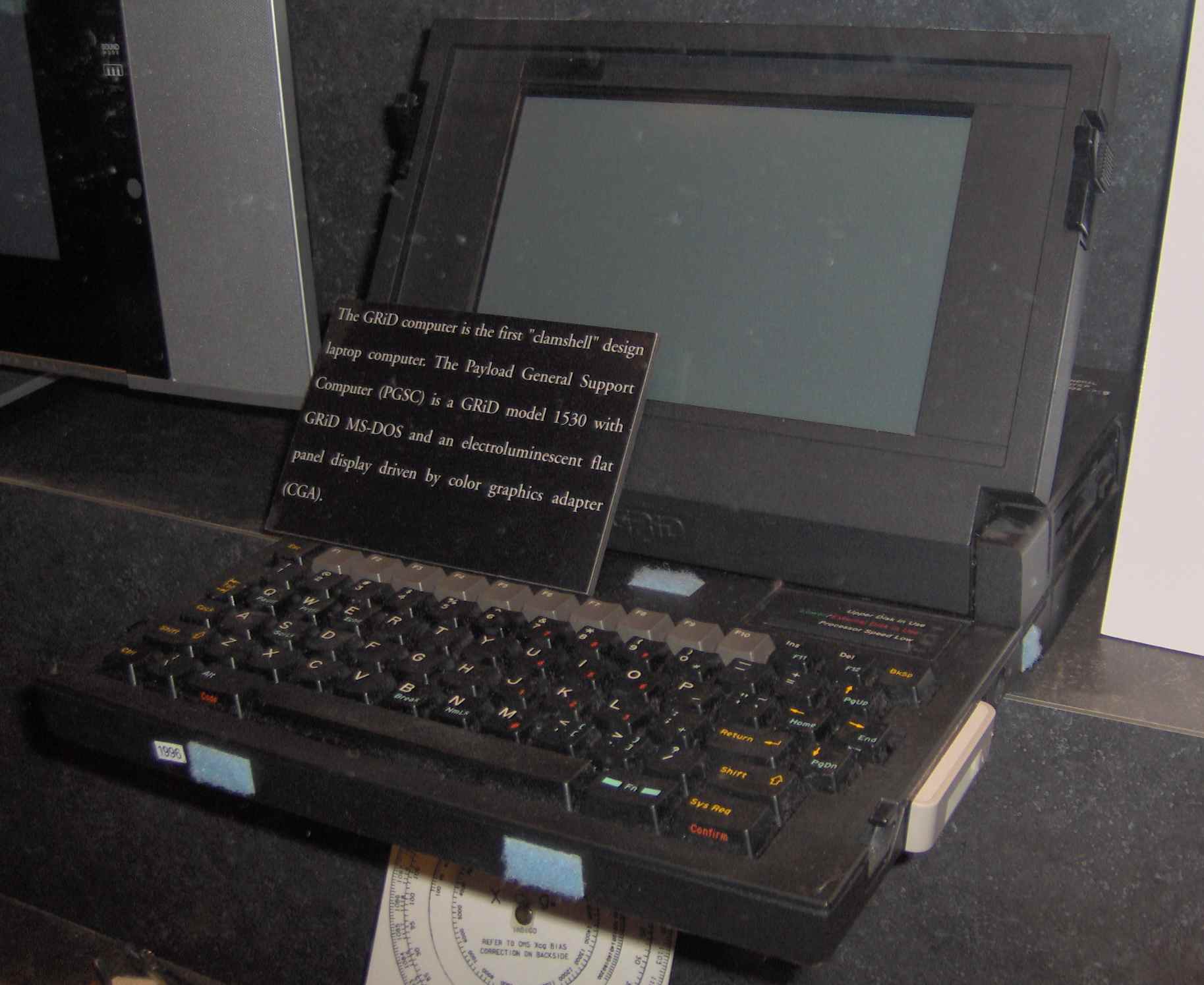
The laptop was the first example of how modern technology meant for larger functionality could become mobile, and its existence is thanks to John Ellenby, whose company introduced the first laptop. Ellenby died on August 17, in San Francisco, leaving behind a legacy that will likely last for decades to come.
Ellenby was 75 when he passed, The New York Times reports, though the cause is still unknown. His son confirmed the British engineer and technology icon’s passing.
The very first laptop was introduced back in 1982 called the Compass. Ellenby and his company, Grid Systems introduced the Compass to the general public, which was an astonishing accomplishment, considering how desktop computers were just starting to spread among the general population at the time.
The Compass was shaped like a clam, had peg supports to prop it up and was incredibly heavy to carry around. Even so, the fact that it was portable made it an attractive prospect for those who needed mobility in their line of work.
To put Ellenby’s accomplishment in perspective, the Macintosh arrived two years after the Compass was launched. As a block-shaped, desktop, it was still far behind on the trends even then.
When it came out, only government officials could afford to get the unit, CNN reports since it was far too expensive for common households. At $8,150, the asking price for the Compass was beyond what average families could afford. It was quite popular among government agencies, however, with NASA engineers being quite taken with the technology.
These days, it’s easy to take laptops for granted, especially with mobile devices having long since surpassed PCs in terms of usage and sales. People tend to forget that it was only until 2005 that the laptop finally outsold the desktop, and now it’s seeing a downward trend.
Ellenby showcased his propensity to imagine technologies far beyond his time once again by co-founding GeoVector in the 90s. GeoVector was involved in augmented reality, the technology that popular trends like “Pokemon Go” are based on.







