


 Nike Beats Q3 Estimates but China Weakness and Margin Pressure Weigh on Outlook
  Italy's Service Sector Contracts for First Time in 16 Months Amid Rising Costs and Weakening Demand
  Global LNG Exports Drop 4% in Q1 2026 as Qatar Shutdown Reshapes Energy Markets
  Oil Prices Surge as U.S.-Iran Conflict Threatens Global Supply
  UPS and Teamsters Reach Agreement to Limit Driver Severance Program
  Paramount Skydance Secures $24B from Gulf Sovereign Wealth Funds for Warner Bros. Discovery Takeover
  Goldman Sachs Cuts 2026 Copper Price Forecast Amid Global Growth Concerns
  U.S. Futures Slip as Iran Rejects Ceasefire and Trump Deadline Looms
  Tesla Q1 2026 Deliveries Miss Estimates as AI Strategy Takes Center Stage
  India's Services Sector Growth Slows to 14-Month Low in March Amid Rising Costs
  Dollar Holds Steady as Yen Nears Critical 160 Level Amid Iran War Escalation
  Samsung Electronics Eyes Record Q1 Profit Amid AI-Driven Chip Boom
  Energy Prices and Dollar Climb as U.S.-Iran Conflict Grips Global Markets
  European Stocks Hold Steady as Iran Ceasefire Deadline Looms
  RBC Capital: European Medtech Firms Show Minimal Middle East and Energy Risk Exposure
  Sterling Slides as Dollar Holds Firm Amid U.S.-Iran Tensions
  Ford Issues Major Recall on Over 422,000 Vehicles Due to Windshield Wiper Defect


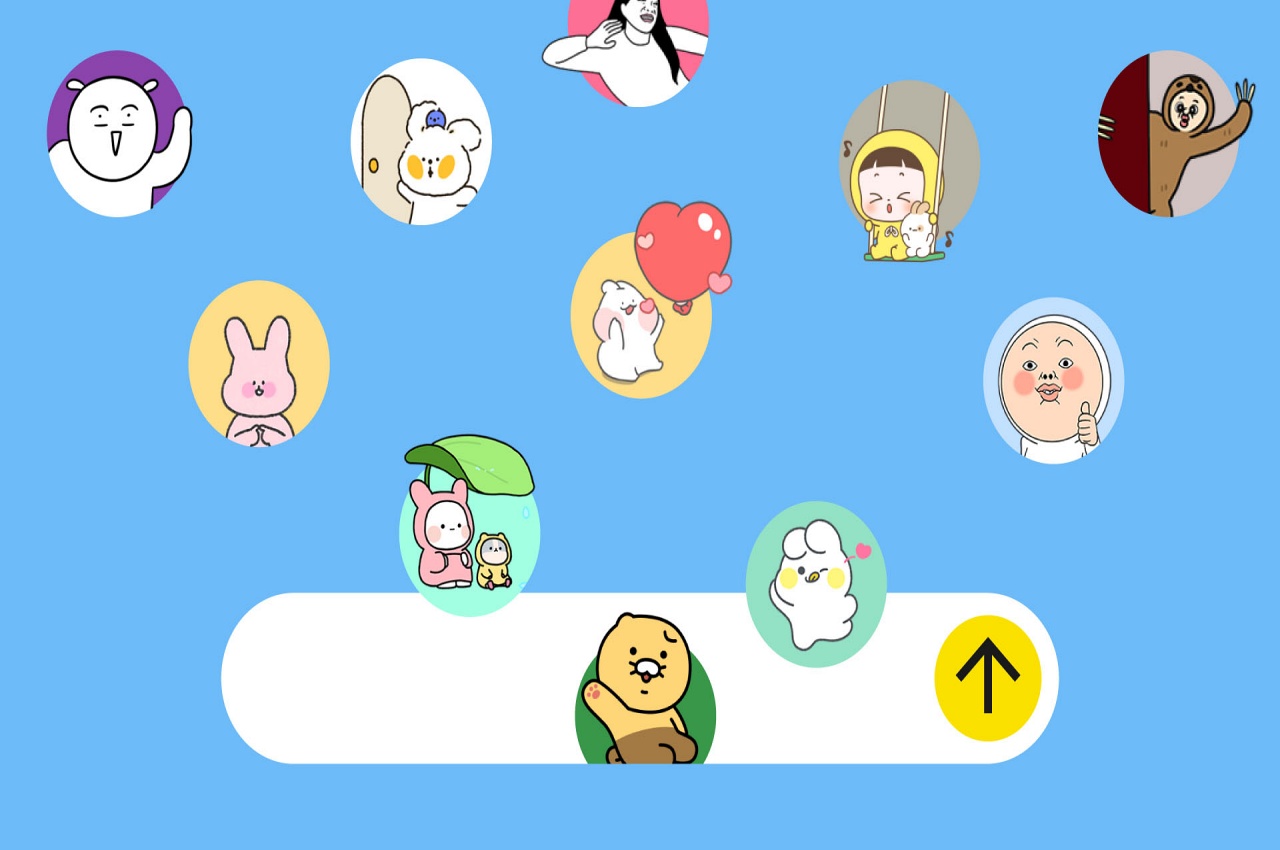
Kakao is set to raise the prices for its emojis, and this will affect users of iOS operating systems. The price hike was announced after Apple said last month that it would increase the price of in-app items in some nations.
Kakao will start implementing the new prices on Oct. 6, so iOS users can expect to pay more for emojis. It was on Sept. 19 when the iPhone maker revealed it would increase the prices of apps and in-app purchases in some countries, including Japan, South Korea, and other regions that use the euro currency.
As per Korea Joongang Daily, Apple did not give a reason for the move, but some media stated it was most likely due to the strong dollar. This may have been the main driver for the tech firm’s decision to inflate the prices in the App Store, which are charged by tiers.
In South Korea, Apple will raise tier 1 to KRW1,500 from KRW1,200 or about $0.83, tier 2 will now be KRW3,000 from 2,500, and so on. The highest tier on the App Store is 87, and the price for this will now be KRW1.49 million from the KRW1.19 million original rate.
With Kakao’s new prices for its emojis, it said that the increases are just in line with Apple’s App Store new rates. Moreover, the price of chocos digital tokens that will be purchased within the app to buy emojis to be used on KakaoTalk messenger will have higher price tags now.
Meanwhile, Tech Crunch reported in early August that Kakao’s emoji subscription purchases on KakaoTalk dropped by a third over the year, and the company blamed the new Google in-app policy for this. The updated guideline forces apps to make use of the American tech firm’s own billing system.
Whon Namkoong, Kakao’s co-chief executive officer, said that Google’s new policy has a negative effect on the company and admitted that this couldn’t be avoided. He said that purchases of KakaoTalk emoji plummeted big time.
“From the users’ perspective, because of Google’s new in-app payment policy, the digital goods price hurdle has gone up,” the co-CEO said, “As a result, if you look at KakoTalk’s Emoticon Plus subscription service, the number of new users has gone down to one-third of what we had seen over the year.”
Namkoong said at that time that they were discussing what steps to take next to counter the changes in Google’s policy. “We are planning on running a promotion for users, using Google’s in-app payment, and also for our subscribers in order to make sure we minimize the impact from the in-app payment in the second half of the year,” he said.







