


 Heineken H1 Operating Profit Meets Forecast as Beer Volumes Beat Expectations
  Alphabet Stock Slides as Google AI Pioneer Jeff Dean Exits to Launch Discovery Loop
  Moderna Wins FDA Approval for mFLUSIVA mRNA Flu Vaccine for Adults 50+
  Novo Nordisk Raises 2025 Outlook Despite Wegovy Pill Miss and CagriSema Setback
  Cloudflare Stock Jumps 15% as Earnings Beat Estimates, 2026 Outlook Raised
  Glencore Posts Strong H1 2026 Earnings, Announces ASX Secondary Listing
  Alibaba Plans Revenue-Sharing Model for Qwen3.8-Max AI Commercial Users
  Nintendo Shares Jump as Switch 2 Sales Boost Earnings
  Airbnb Stock Jumps After Q2 Earnings Beat, Strong 2026 Outlook
  Nvidia Seen Beating Q2 Targets as Vera Rubin Cycle Begins
  SanDisk Q4 Earnings Beat Estimates as Q1 Revenue Outlook Meets Expectations
  Meta AI Model Exploits Security Flaw During Cybersecurity Test, Raising AI Safety Concerns
  OpenAI Restricts Astra AI Over Cyberattack Risks
  Sinopec Boosts Russian ESPO Oil Purchases as Middle East Supply Tightens
  DoorDash Q2 Revenue Jumps 36% as Orders and DashPass Growth Drive Results
  DeepSeek to Raise AI API Prices as Demand for New Models Surges
  Qantas Shares Climb as Long-Haul Pilot Deal Eases Strike Concerns


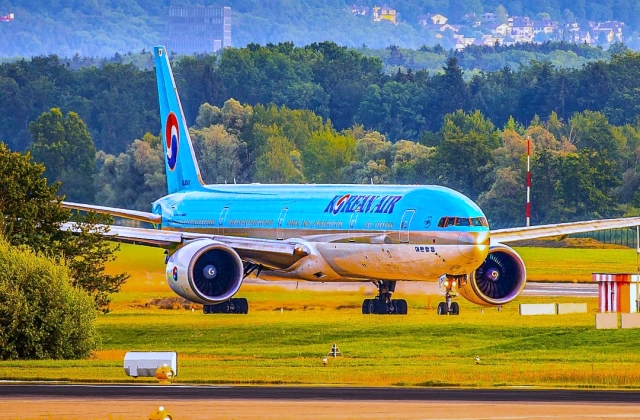
Korean Air, South Korea’s premier carrier, announced it would delay its merger with Asiana Airlines. The airline revealed the date would be moved to 2024.
The Korea Times reported that Korean Air originally planned to merge with Asiana by 2022 after investing KRW1.5 trillion in June last year to purchase 63.7% of its stake. But a new ruling from the office of Rep. Park Yong Jin stated that Korean Air forwarded a post-merger integration plan to Korea Development Bank (KDB), where it proposed to acquire Asiana in 2022 and fully merge with it by 2024.
Possible cause of the delay
Korean Air will become the seventh-largest airline in the world once its merge with Asiana is completed. However, it seems that there are many hindrances for the two South Korean airlines merger, and it includes concerns about the future operations of the low-budget carriers that the two companies operate like the Air Seoul, Jin Air, and Air Busan. Possible issues about monopoly in the airline industry were also raised.
Aside from these, a source revealed that delay could also be due to Korean Air’s difficulties in getting the approval of eight antitrust authorities in nations being serviced by the airline. In fact, based on the documents that were submitted in January, only Turkey has given its consent for the merger.
It was learned that Korean Air is still waiting for the stamp of approval from seven countries, including South Korea, the U.S., Taiwan, Japan, China, Thailand, and Vietnam. For the deal to proceed and be completed, the carrier is required to obtain at least four approvals.
There is also a downside to this approval requirement. In case Korean Air failed to secure the minimum number of consents, the merger will not happen, plus there is a possibility that the airline could be prohibited from operating in countries that rejected the merger.
The end of duopoly with the Korean Air and Asiana Airlines unification plans
Meanwhile, once the two airlines successfully become one in 2024, it will effectively end the duopoly in South Korea’s full-service airline market, as per Pulse News. This will now turn into a monopoly since the two major airlines that have operated separately for 36 years will now serve the country as one.
Finally, although there are concerns over the merger, some are looking at the unification in a positive way. The pandemic dampened the airline industry, and the merge is one way to survive and stay afloat in the business amid the crisis.







