


 China Reviews Broadcom Switch Use in State Data Centres
  SpaceX Nasdaq 100 Weight to More Than Double in Rebalance
  Volkswagen Shares Slide After 2026 Profit Outlook Cut
  Trump Bans CNN, MS NOW and Politico From White House
  US Northeast Airports Resume Operations After Telecom Outage Disrupts Thousands of Flights
  Novo Nordisk Weighs Direct NYSE Listing to Boost U.S. Profile
  Petrobras Joins Brazil’s New Diesel Subsidy Program
  Meta Partners With Shopify to Bring Shop Pay Checkout to Muse AI
  Supertanker Orders Surge as US-Iran War Reshapes Oil Trade
  Paramount-Warner Bros $110 Billion Deal Draws Antitrust Backlash
  fnny Beta Launches With a Simple Idea: Find an Event, Show Up, Get Rewarded
  Trump Plans Federal AI Force and AI Czar
  White House Bars CNN, MS NOW and Politico Reporters
  Prysmian, Rio Tinto Supply Low-Carbon Cables for Amazon Ohio Data Center
  Goldman Sachs Names Simon Lyons UK Investment Banking Co-Head
  Nike Earnings at Risk as UBS Cuts Price Target to $42
  OpenAI Urges US-Led Global Standards for Frontier AI


 Add as a preferred source on Google
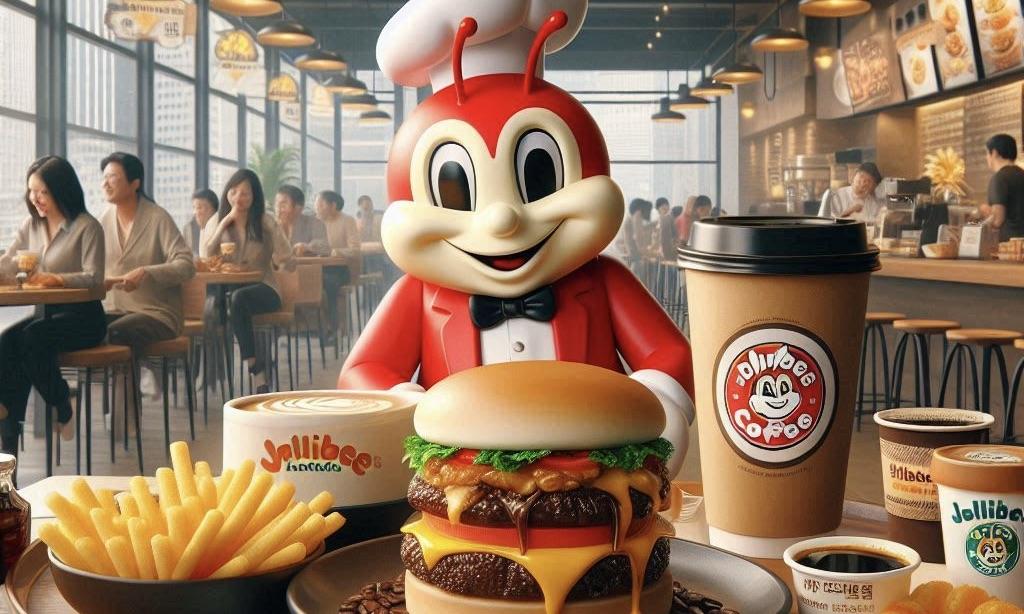
Jollibee Foods Corp. plans to increase the popularity of Compose Coffee in South Korea before introducing it to the Philippines. CFO Richard Shin highlighted the strategy during a press briefing, emphasizing market share growth in Korea for better shareholder returns.
Jollibee Prioritizes Expanding Compose Coffee in South Korea to Compete with Starbucks Before Entering the Philippines
Rather than promptly introducing Compose Coffee to the Philippines, Jollibee Foods Corp. intends first to increase the popularity of the South Korean coffee brand in its home country and compete with the industry giant Starbucks Coffee.
According to Richard Shin, the chief financial officer of Jollibee, Compose Coffee presently holds an 8 percent market share in South Korea, while Starbucks has a 28 percent market share. This information was disclosed to reporters on July 25.
Conversely, Starbucks operates nearly 1,900 stores, while Compose Coffee boasts more than 2,000 locations throughout its domestic market.
During a press briefing, Shin said, “We will be very focused on Korea for at least the next five years … market share growth in Korea will be a better return for shareholders.”
The CFO also noted that South Korea had the highest coffee consumption in Asia and ranked third globally, following Italy and Canada.
Shin clarified that they would capitalize on Compose Coffee's capacity to sell blended and roasted coffee beans to its licensees, which had always been the company's primary source of revenue.
According to INQUIRER.net, this month, Jollibee Worldwide Pte. Ltd. (JWPL) announced its intention to acquire 70% of the popular South Korean coffee chain in a $340-million agreement with Elevation Equity Partners Korea Ltd. and Titan Dining II LP.
Jollibee's Strategic Investment in Compose Coffee Projected to Yield 36% Return in Five Years
According to Shin, Elevation approached Jollibee for the agreement and will own 25% of Compose Coffee. Titan II, a private equity entity in which Jollibee has a 90% participating interest through JWPL, will own 5%.
Shin stated that they intended to finance 47 percent, or $111 million, of Jollibee's shareholding through debt and 53 percent, or $128 million, through cash.
Shin projected that Jollibee would generate a 12-percent return on its investment in Compose Coffee by the end of the year and a 36-percent return after five years. However, the company had yet to specify the approximate time it anticipated reaching breakeven on its investment.
He underscored that Compose Coffee's capital-light; 100-percent franchise business model resulted in a "debt-free balance sheet."
Compose Coffee, established in Busan in 2014, has 2,470 stores, making it the most excellent brand in store count at Jollibee. The iconic Chickenjoy dishes are produced by the flagship Jollibee brand, which has over 1,600 stores worldwide.
Jollibee's acquisition of the Korean coffee chain is one of its most significant investments, following the $350 million acquisition of The Coffee Bean and Tea Leaf in 2019.







