


 Dell Raises 2027 Revenue Forecast as AI Server Demand Drives Record Quarterly Results
  Meta Delays Release of New AI Model as API Rollout Remains Uncertain
  SoftBank to Invest €75 Billion in France AI Data Center Expansion by 2031
  US Expands Iran Sanctions, Targets Major Crypto Exchanges and Individuals
  Meta Challenges Australia’s Proposed Tech Tax, Citing U.S. Trade Agreement Concerns
  Ryan Kavanaugh and Acme AI & FX Bets on Artificial Intelligence to Reinvent Film Production Economics
  Morgan Stanley Upgrades Winbond and Nanya to Overweight on Strong Memory Chip Market Outlook
  Fonterra to End Fitch Ratings Coverage as Agency Plans Withdrawal
  CrowdStrike Beats Q1 FY2027 Expectations, Raises Outlook Despite After-Hours Stock Decline
  Blue Origin New Glenn Explosion Could Delay Launch Operations Until 2028
  Palo Alto Networks Q3 FY2026 Earnings Surge on Strong AI Security Demand, Raises Full-Year Outlook
  Hyundai, Nvidia, and South Korea Near Deal for Major AI Technology Center
  Bayer Rules Out Monsanto Spin-Off as Roundup Lawsuits Continue to Mount
  DeepSeek Targets $7.4 Billion Funding Round, Valuation Could Reach $59 Billion in 2026
  SpaceX Sets IPO Price at $135 Per Share Ahead of Historic Nasdaq Debut
  MongoDB Q1 FY2027 Earnings Beat Expectations, Raises Full-Year Outlook


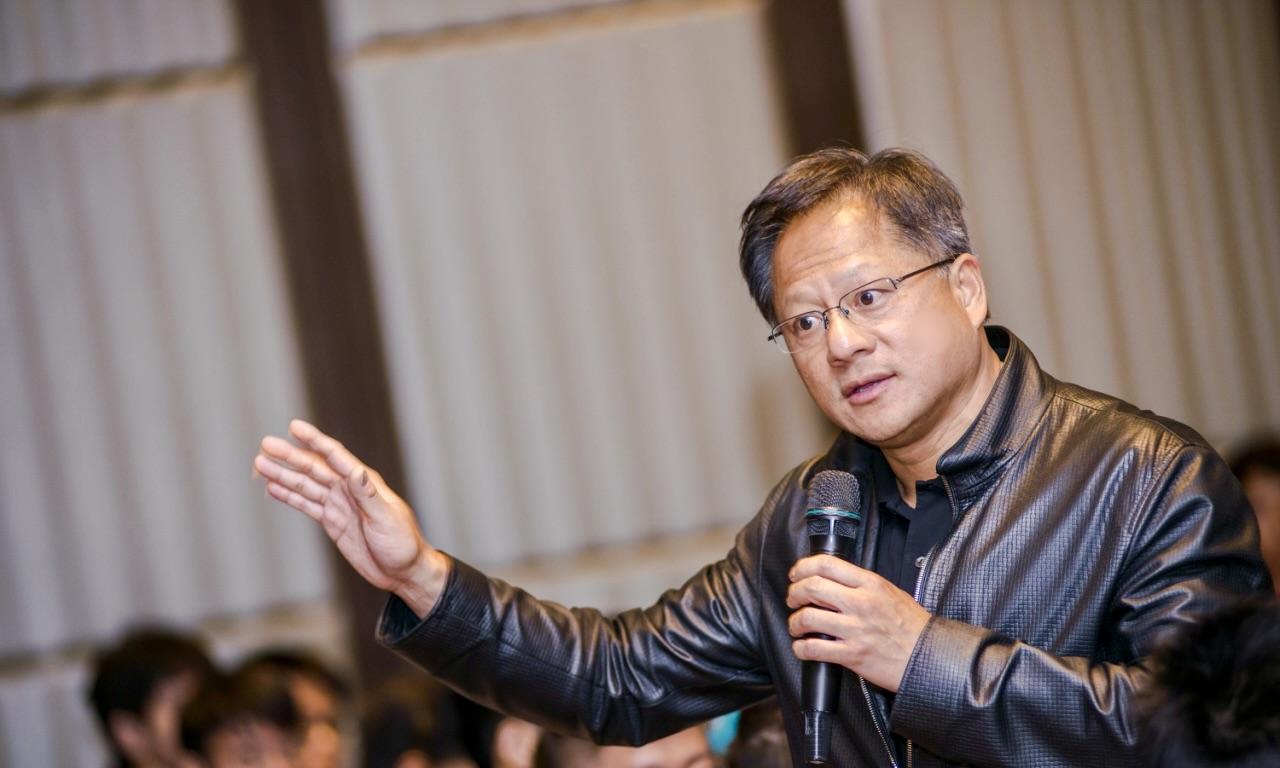
Nvidia CEO Jensen Huang is set to make his second visit to South Korea in just seven months, underscoring the country’s growing importance in the global artificial intelligence ecosystem. Beyond high-level business meetings, Huang’s itinerary includes public appearances such as throwing the ceremonial first pitch at a professional baseball game and participating in one of South Korea’s most popular television talk shows.
The visit highlights South Korea’s strategic role in Nvidia’s AI supply chain. Samsung Electronics and SK Hynix collectively produce around 70% of the high-bandwidth memory used in advanced AI processors, including Nvidia’s cutting-edge chips. As demand for AI infrastructure accelerates worldwide, Nvidia’s reliance on South Korean semiconductor suppliers continues to increase.
Industry analysts believe South Korea is becoming a critical partner for Nvidia’s future ambitions, particularly in the rapidly growing field of physical AI. This technology integrates artificial intelligence into robots, autonomous vehicles, manufacturing systems, and smart factories. Thanks to its advanced manufacturing capabilities and leadership in robotics, South Korea is viewed as an ideal environment for developing and testing these next-generation AI applications.
The country is also a major customer for Nvidia technology. In recent years, Nvidia announced plans to provide more than 260,000 advanced AI chips to South Korean government agencies and leading corporations, further strengthening the partnership.
Newly elected President Lee Jae Myung has identified AI investment as a national priority, aiming to position South Korea among the world’s top AI powers while addressing economic challenges linked to demographic decline. Huang has repeatedly emphasized that South Korea remains a crucial part of Nvidia’s global ecosystem and highlighted robotics as a key area for future collaboration.
During his visit, Huang is expected to meet executives from major South Korean conglomerates, including SK Group, Hyundai Motor, LG Group, and Naver. Reports also suggest he may attend private dinners with industry leaders to discuss potential partnerships and investment opportunities.
As global competition in artificial intelligence intensifies and restrictions limit advanced chip sales to China, South Korea’s importance to Nvidia’s growth strategy continues to rise. Huang’s high-profile visit reflects both the business significance and public interest surrounding the evolving relationship between Nvidia and South Korea’s technology sector.







