


 US, China Extend Trade Truce to Jan. 10 Ahead of Trump-Xi Summit
  Asian Stocks Fall as Bond Yields Surge Ahead of Trump-Xi Summit
  Gold Prices Fall Amid Rate Jitters; Copper Steady as China Stimulus Eyed
  Best Gold Stocks to Buy Now: AABB, GOLD, GDX
  U.S. 10-Year Treasury Yield Hits 2007 High as Fed Rate Hike Bets Rise
  Asian Currencies Muted as Dollar Firms Ahead of Trump-Xi Summit
  European Stocks Slip as Iran Tensions Offset Strong Eurozone Data
  Asian Currencies Mixed as Dollar Holds Near Two-Month High


 Add as a preferred source on Google
Due to the fall in oil prices, Japan's CPI has stalled, while wages have been increasing since the start of the new fiscal year in April. As a result, real household income is recovering and consumer sentiment is now starting to improve.
In addition, as the economic recovery in the US strengthens, Japanese exports should make a firm recovery ahead. Corporate activity and consumer spending are likely to strengthen, and Q3 real GDP growth is expected to return to positive growth. PM Abe has committed to reflating the Japanese economy before the next CT hike (April 2017) through implementation of the growth strategy.
"In 2015, the movement is expected towards exiting deflation, which had temporarily stalled due to the CT hike in April 2014, will reaccelerate. As a result, wage increases and strong nominal GDP growth should lead to reflation of the economy", says Societe Generale.
As the long-term interest rates are suppressed by the BoJ's large-scale QQE, full-scale expansion of nominal GDP has started. Nominal GDP growth (strength to expand the economy) is above long-term interest rates (strength to suppress the economy) for the first time since the end of the bubble economy.
"This indicates that the Japanese economy is finally at the start of a full-scale reflationary phase. The market is underestimating this point. The Q2 GDP deflator is likely to rise 2.2% yoy (was 3.4% yoy in Q1), supported by a substantial improvement in the terms of trade thanks to the fall in oil prices as well as easing deflationary pressure. Q2 nominal GDP growth is likely to be 0.1% (was 2.3% in Q1), showing firmer growth than real GDP", added Societe Generale.

- News

- Economy

- Central Banks
- Investing
- Research
- Roundups
- Digital Currency
- Insights
- Technical Analysis
- Technology
- Business
- Law
- Health
- Nature
- Fintech
- Science
- Topic
- Opinions
- ©Econometrics LLC . All Rights Reserved.
Japan's economy likely at start of full scale reflation
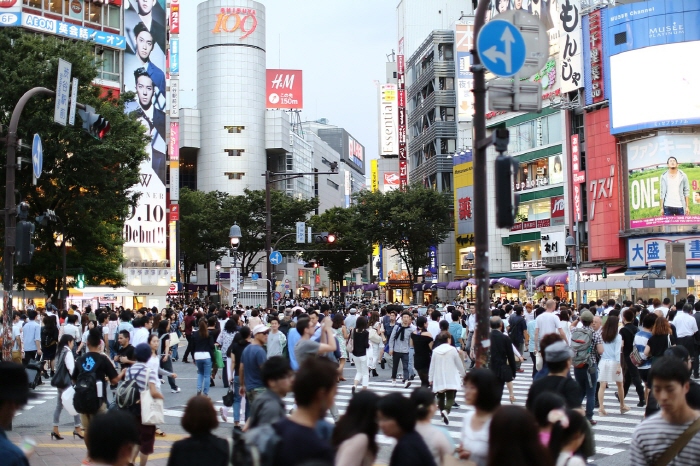
tokyo-001
Monday, August 17, 2015 5:18 AM UTC
Editor's Picks



- Market Data
Most Popular




