


 NASA Artemis II: First Crewed Moon Mission Since Apollo Takes Four Astronauts on 10-Day Lunar Journey
  California's AI Executive Order Pushes Responsible Tech Use in State Contracts
  China's AI Stocks Surge as Zhipu and MiniMax Hit Record Highs
  Samsung Electronics Eyes Record Q1 Profit Amid AI-Driven Chip Boom
  Anthropic Fights Pentagon Blacklisting in Dual Federal Court Battles
  Apple Turns 50: From Garage Startup to AI Crossroads
  Australia's Social Media Ban for Under-16s Sparks Global Movement
  Lumentum Holdings Rides AI Wave With Order Book Filled Through 2028
  Rubio Directs U.S. Diplomats to Use X and Military Psyops to Counter Foreign Propaganda
  Annie Altman Amends Sexual Abuse Lawsuit Against OpenAI CEO Sam Altman
  Microsoft's $10 Billion Japan Investment: AI Infrastructure and Data Sovereignty Push
  Apple's Foldable iPhone Faces Engineering Setbacks, Mass Production Timeline at Risk
  NASA's Artemis II Mission: First Crewed Lunar Journey Since Apollo
  Bendigo and Adelaide Bank Posts Strong Q3 Earnings, Announces AI-Driven Job Cuts


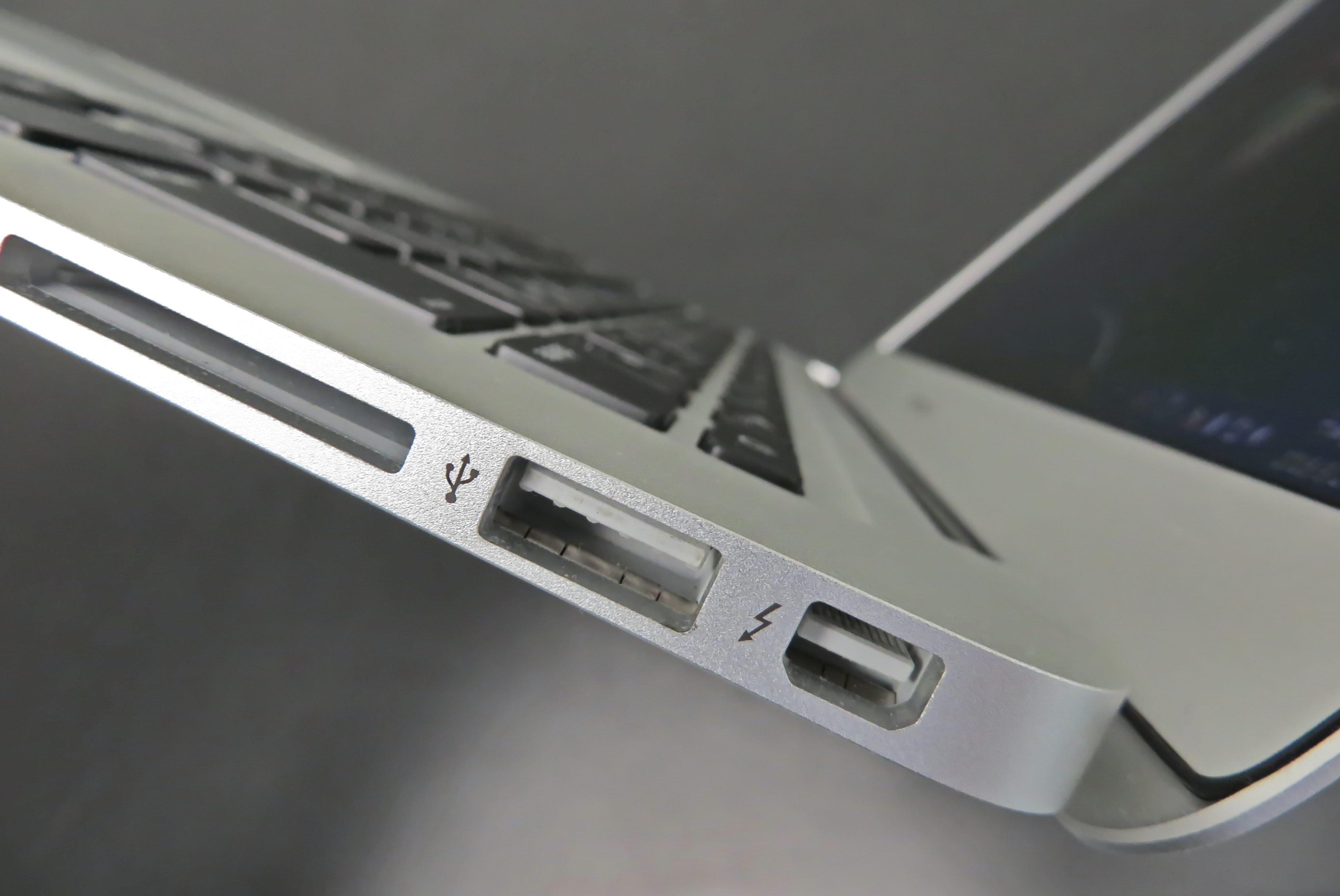
Normally, when a company develops a new technology that might make them a lot of money, they don’t just give it away. In a rare example of apparent altruism, this is exactly what Intel is doing with its new Thunderbolt 3 technology. On the other hand, the move is also apparently an attempt to encourage its widespread adoption instead of staying with just high-end products.
In a recent announcement, Intel said that it was not going to ask for royalties from developers that will use Thunderbolt 3 for their CPUs. This will cut the expenses of manufacturers and will promote a wider adoption rate of the technology that remains somewhat on the upscale side for the moment.
“In addition to Intel’s Thunderbolt silicon, next year Intel plans to make the Thunderbolt protocol specification available to the industry under a nonexclusive, royalty-free license,” the announcement post reads. “Releasing the Thunderbolt protocol specification in this manner is expected to greatly increase Thunderbolt adoption by encouraging third-party chip makers to build Thunderbolt-compatible chips. We expect industry chip development to accelerate a wide range of new devices and user experiences.”
As Tom’s Hardware notes, the USB technology that Intel developed back in the 90s has since become ubiquitous. It’s on every device imaginable, from computers to tiny desk fans. In comparison, Thunderbolt has been having trouble breaking through the same ceiling, remaining attached to high-end devices and brand.
There are plenty of reasons to adopt Thunderbolt 3 technology as opposed to the traditional USB setup as well. It increases efficiency in many areas, including space and storage. It also works well with emerging technology, including virtual reality and demanding video games.
Increased Thunderbolt adoption will also be great news for artists, photographers, and others in similar professions since it would allow external devices to operate in much the same manner as internal storage units. This means that external storage devices won’t experience lag in transfer rate.







