


 Physicists zoom into the birth of cosmic rainstorms with new CERN study
  Hyundai CEO Warns Chinese Automakers Could Disrupt US Market
  DOJ Will Investigate AI-Related Crimes, Attorney General Blanche Says
  Trump Bans CNN, MS NOW and Politico From White House
  Goldman Sachs Names Simon Lyons UK Investment Banking Co-Head
  Trump Plans Federal AI Force and AI Czar
  Petrobras Joins Brazil Diesel Subsidy Program
  Europe can’t achieve space sovereignty alone. Here’s why
  SpaceX Nasdaq 100 Weight to More Than Double in Rebalance
  Databricks to Invest $350 Million in Singapore AI Expansion
  Supertanker Orders Surge as US-Iran War Reshapes Oil Trade
  Big AI wants to slow down AI research. Is it a safety pause or a strategic retreat?
  SoftBank Launches $11 Billion Bond Sale to Fund OpenAI Investment
  Apple Pay Set for India Launch With Axis Bank
  OpenAI Urges US-Led Global Standards for Frontier AI
  fnny Beta Launches With a Simple Idea: Find an Event, Show Up, Get Rewarded


 Add as a preferred source on Google
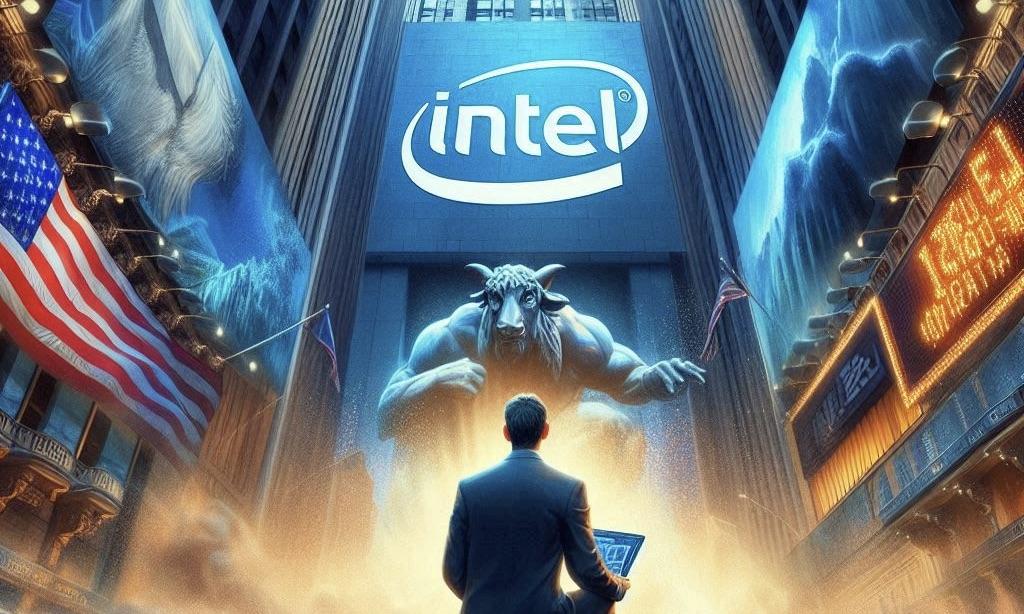
Intel's stock has plummeted nearly 60% this year, putting the company at risk of being removed from the Dow Jones Industrial Average. As Intel prepares a revival plan, the potential loss of this blue-chip status could further impact its market position.
Intel’s Persistent Stock Decline Could Lead to Dow Jones Removal, Threatening Vital Passive Inflows
Intel's stock price trajectory has become increasingly predictable: the stock declines on up and down-market days. This consistent underperformance, leading to a nearly 60 percent drop in Intel's shares this year, puts the stock at risk of losing a key source of passive inflows—the Dow Jones Industrial Average (DJIA) index.
According to a recent report from Reuters, Intel is likely to be removed from the Dow Jones index. The DJIA rebalances quarterly, systematically adding or removing stocks based on a comprehensive set of criteria. If Intel is removed, it would be a significant blow for the company, as it has been one of only two tech stocks, alongside Microsoft, to join the Dow Jones during the dot-com bubble of the 1990s. Losing its place in this prestigious index would strip Intel of a vital source of passive funding that typically benefits blue-chip stocks, potentially exacerbating the stock's decline.
This development coincides with Intel's preparation for a broad-based revival plan, which it plans to present at its upcoming board meeting. Reports indicate that the company is considering unloading its majority stake in its FPGA arm, Altera, and freezing construction on its $30 billion facility in Germany. However, Intel is not expected to divest its chip manufacturing division, Intel Foundry.
Intel Engages Morgan Stanley for Strategic Guidance Amid Financial Cuts and Activist Investor Pressure
Intel is reportedly working closely with several financial advisers, including Morgan Stanley, to explore strategic options for its board meeting. These advisers, with their expertise and experience, are crucial in helping the company navigate a rumored high-profile challenge from activist investors.
Intel has taken several measures to ensure financial stability. The company has cut its dividends and reduced its workforce by 13.6 percent, laying off approximately 15,000 employees at the start of the year. It has also slashed its capital spending for 2025 by 17 percent, bringing it down to $21.5 billion.
As of the latest trading session, Intel shares have dropped by around 6 percent, leaving the company's market capitalization at $89.30 billion.







