


 Japanese Bank Stocks Surge as Bond Yields Fuel Rate Hike Bets
  Soybean Futures Slip as Traders Await Trump-Xi Trade Signals
  Asian Stocks Fall as Bond Yields Surge Ahead of Trump-Xi Summit
  US Stock Futures Fall as Treasury Yields Surge Ahead of Trump-Xi Summit
  Australia Unemployment Hits Five-Year High Despite Strong Jobs Growth
  Trump, Xi Focus on Trade and AI at White House Summit
  Dollar Falls as Oil Eases, Yen Jumps on Intervention Signals
  US 10-Year Treasury Yield at 6% Emerges as New Market Risk Threshold
  Asian Currencies Mixed as Dollar Holds Near Two-Month High
  Oil Prices Fall on U.S.-Iran Hormuz Deal Hopes
  Fed’s Hammack Says Bond Yield Surge Is Not Driven by Inflation Fears
  Wall Street Ends Flat as Oil, Treasury Yields and Fed Jitters Rattle Markets
  Dollar Holds Near Two-Month High as Yen Approaches 160
  Canadian Dollar Faces Pressure as Fed-BoC Policy Gap Widens
  European Stocks Fall as Bond Yields and Geopolitical Risks Weigh
  China Agrees to Buy 20 Million Tons of U.S. Coal
  RBI Uses $10 Billion Currency Swaps to Drain Excess Rupee Liquidity


 Add as a preferred source on Google
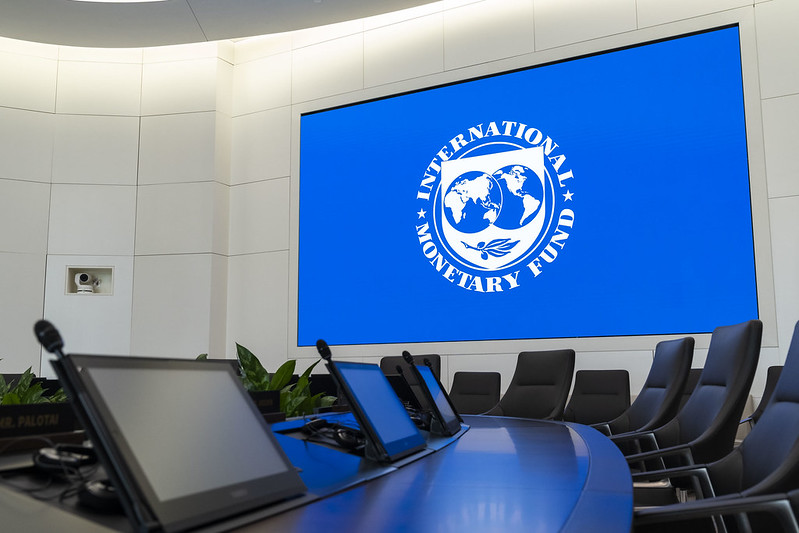
The International Monetary Fund (IMF) has completed its first review of Argentina’s $20 billion financial support program, authorizing a $2 billion disbursement to bolster the country’s economic reforms. The review marks a key milestone in Argentina’s ongoing efforts to stabilize its economy and transition toward a more flexible exchange rate system.
In a statement, the IMF highlighted Argentina’s “strong policy implementation,” which has led to declining inflation and sustained economic growth. However, it acknowledged that the country fell short of its mid-June target for net international reserves accumulation. Despite this, IMF officials expressed confidence in Argentina’s commitment to key policies aimed at safeguarding fiscal discipline and rebuilding reserves.
The program, a 48-month arrangement approved in April, is designed to support structural reforms and strengthen Argentina’s external position. Since the agreement, Argentina has eased long-standing currency controls and allowed the peso to fluctuate within a managed band, signaling a shift toward a market-based exchange rate regime.
The IMF also noted plans for additional measures to promote a more open and resilient economy, aligning with Argentina’s broader reform agenda. These include steps to enhance fiscal transparency and attract foreign investment, critical for restoring market confidence.
This disbursement is expected to provide crucial liquidity as Argentina navigates economic challenges, including rebuilding reserves and addressing structural vulnerabilities. The continued success of the program will depend on sustained policy execution and adherence to agreed fiscal and monetary targets.
By advancing its reform commitments under IMF oversight, Argentina aims to stabilize its currency, control inflation, and foster long-term economic growth in one of Latin America’s largest economies.







