


 OpenAI Addresses Security Vulnerability in macOS App Certification Process
  Pilots Fear Retaliation for Refusing Middle East Flights Amid Ongoing Conflict
  TSMC Posts Strong Q1 2025 Revenue, Riding AI Chip Demand Wave
  China Vanke Seeks Bond Extension Amid Mounting Debt Crisis
  Alibaba Shares Slide as Jefferies Slashes Price Target Over AI Spending and Business Losses
  Disney Plans to Cut 1,000 Jobs Amid Ongoing Restructuring Efforts
  U.S. Automakers Push Back Against EU Rules Blocking American Trucks from European Market
  Lumentum Holdings Rides AI Wave With Order Book Filled Through 2028
  Foreign Investors Pour $18.65 Billion into Japanese Stocks Amid Market Stabilization
  Pershing Square Bids €30.40 Per Share to Acquire Universal Music Group in $9.4B Deal
  San Francisco Suspect Arrested After Molotov Cocktail Attack on OpenAI CEO Sam Altman's Home
  Anthropic's Mythos AI Model Sparks Emergency Cybersecurity Meeting With Top U.S. Bank CEOs
  NIO ES9 SUV Launch Sends HK Shares Down 7% Despite Bold Pricing Strategy
  MATCH Act: How New U.S. Chip Legislation Could Freeze China's Semiconductor Ambitions
  FedEx Pilots and Union Reach Tentative Agreement on 40% Pay Increase
  Rio Tinto's California Boron Assets Attract Over a Dozen Bidders, Valued at Up to $2 Billion
  Kia Cuts EV Sales Target for 2030 Amid Slowing Demand and U.S. Policy Shifts


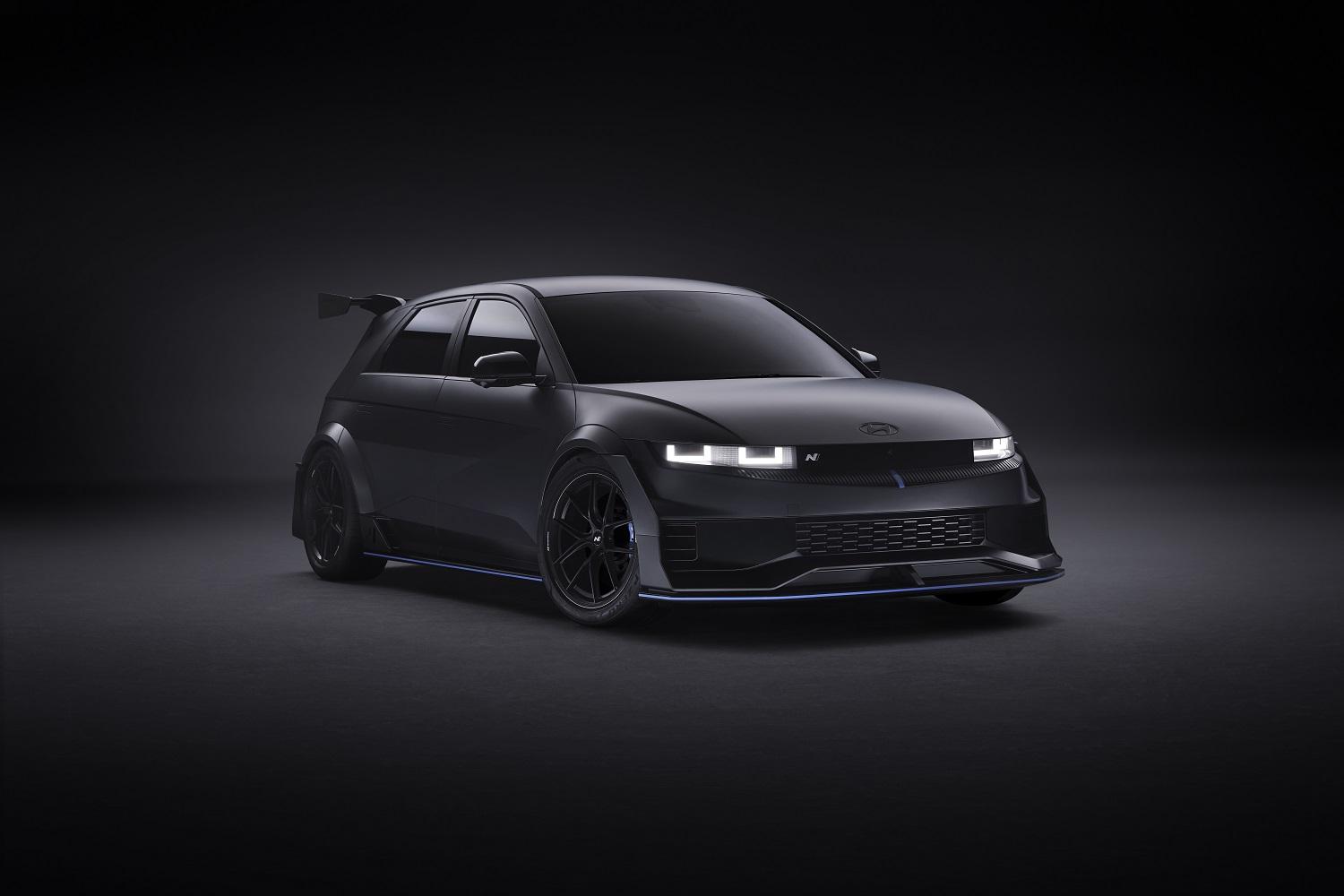
According to the companies Friday, cumulative sales of eco-friendly vehicles produced by Hyundai Motor Co. and Kia Corp., South Korea's leading automakers, are expected to exceed 1 million units in the first quarter.
According to Korea Times, Hyundai and Kia officials said they are expected to surpass the 1 million mark in the January-March period.
As of the end of 2023, combined sales of eco-friendly units from Hyundai and Kia had already reached an impressive 946,962 units. Company officials anticipate exceeding the 1 million milestone within the January-March period.
Strong Performance in the United States
Korea Bizwire reported that last year, the companies sold 278,122 eco-friendly cars, including electric vehicles and hybrids, combined in the United States, representing a 52.3 percent sales growth from 2022.
This growth indicates a growing demand for electric vehicles (EVs) and hybrids in the American market.
Hyundai and Kia's market share of eco-friendly vehicles in the U.S. has consistently stayed above the 20 percent mark since 2021, reflecting their position as key players in this segment.
After a year of robust sales growth, with a significant increase of 12.1 percent in 2023, the U.S. has become a pivotal market for Korean carmakers. Hyundai and Kia expect this positive sales trend to continue throughout 2024 as the demand for EVs and other premium vehicle models rises.
Reshaping Brand Identity
Hyundai and its affiliate, Kia, have successfully reshaped their brand identities. The enhanced brand power and increased sales growth in the U.S. market are testaments to their success in this endeavor.
An official from Hyundai Motor attributed this success to customers' confidence in purchasing vehicles from Hyundai and Kia. The companies are no longer seen as solely price-competitive manufacturers but as brands with strong identities.
Hyundai and Kia are confident in setting another sales record this year by focusing on value-added and eco-friendly cars. In 2023, the automakers achieved a remarkable sales growth of 52.3 percent for their eco-friendly vehicles, including EVs. Their market share was 16.8 percent, a five-fold increase from three years earlier.
Photo: Hyundai Media Center







