


 LA fires: Long-term exposure to wildfire smoke is poorly understood − and a growing risk
  German 2-Year Yield Hits 2023 High as Rate Hike Bets Rise
  Trump Signs Executive Order to Boost AI Research in Childhood Cancer
  What’s so special about Ukraine’s minerals? A geologist explains
  Rice feeds billions of people – but its role in fueling climate change is growing
  We combed through old botanical surveys to track how plants on Australia’s islands are changing
  Syngenta Files for Hong Kong IPO, Eyes $5 Billion Raise
  Drug pollution in water is making salmon take more risks – new research
  Senate Sets December 8 Vote on Trump’s NASA Nominee Jared Isaacman
  Asian Stocks Rise as Investors Brace for Fed Rate Decision
  Samsung Heavy Wins $1.22 Billion LNG Carrier and Tanker Deal
  Anthropic Eyes Second Straight Profitable Quarter Ahead of Potential IPO
  Meta’s AI Shopping Push Grows as Agentic Commerce Remains Below 1%
  Optus Apologises After Network Outage Disrupts Emergency Calls
  Hong Kong Unveils First Five-Year Plan to Boost Finance, Tech and Housing


 Add as a preferred source on Google
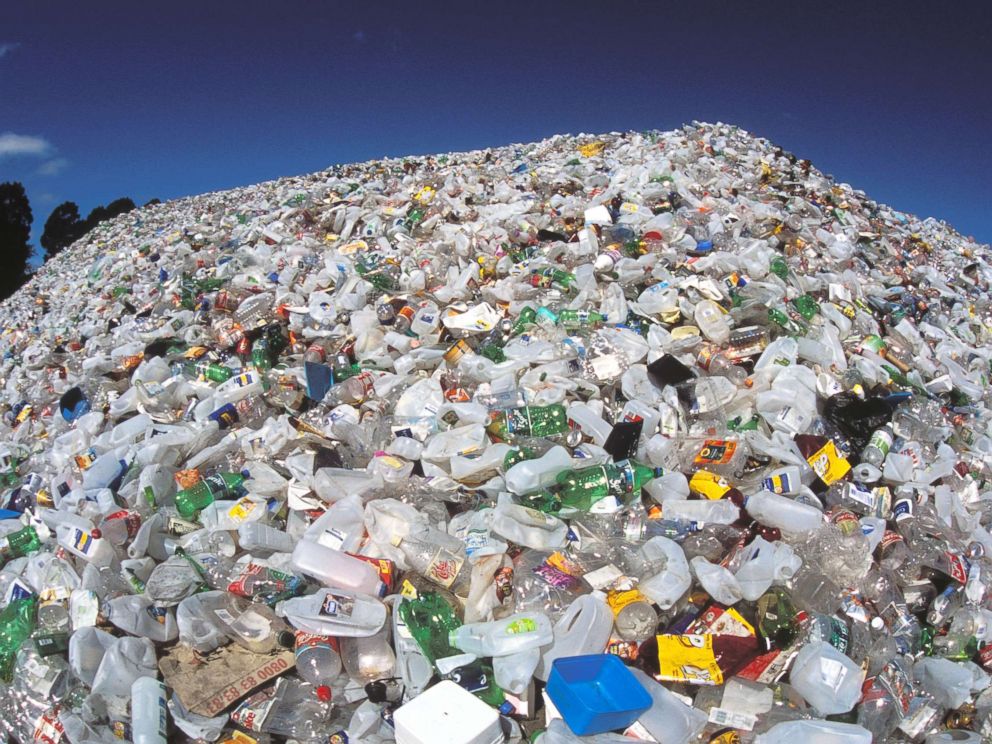
Hyundai Engineering Co. will build a 400 billion won plant in Dangjin that uses plastic wastes in producing high-purity clean hydrogen.
The plant will process 100,000 tons of plastic wastes annually to produce 22,000 tons of high-purity clean hydrogen through pyrolysis and gasification.
The hydrogen produced will be used as a raw material for hydrogen-electric vehicles, hydrogen-LNG co-firing power generation, hydrogen fuel cell power generation.
The plant is part of efforts to diversify its business towards eco-friendly energy production.
The company, a plant engineering affiliate of Hyundai Motor Group, expects to break ground in the first half of next year.
Full-scale commercial production is expected to begin in 2024.
Hyundai Engineering will collect and use most of the carbon dioxide generated during the process through a Metal-CO2 system that is now being tested at Hyundai Steel Co.’s Incheon plant.







