


 Nvidia CEO Jensen Huang Expected at Trump-Xi State Dinner
  Scott Bessent Eyed as Trump’s New AI Czar
  US Federal Register Drops Alibaba Qwen AI Search Tool
  Japan, U.S. Discuss $19 Billion GlobalFoundries Chip Plant
  Guterres Urges Stronger Global AI Safeguards Ahead of UN Assembly
  Who should own the knowledge that underpins AI technology?
  SK Hynix, Intel Discuss U.S. Memory Chip Production Deal
  Trump Plans Federal AI Force and AI Czar
  Cathie Wood Backs AI Slowdown as Safety Concerns Grow
  Meta Partners With Shopify to Bring Shop Pay Checkout to Muse AI
  AI is supercharging money scams – here’s what you can do to protect yourself
  Rosenblatt Starts Nokia at Buy on AI Networking Growth
  Qualcomm Gains on $60B Amazon AI Chip Deal
  MediaTek Unveils 2nm Dimensity 9600 Pro AI Chip
  Burnham Eyes UK Leadership Role in AI Ahead of Trump Meeting
  Meta CEO Zuckerberg Backs Independent AI Safety Reviews Over Development Slowdown
  OpenAI Urges US-Led Global Standards for Frontier AI


 Add as a preferred source on Google
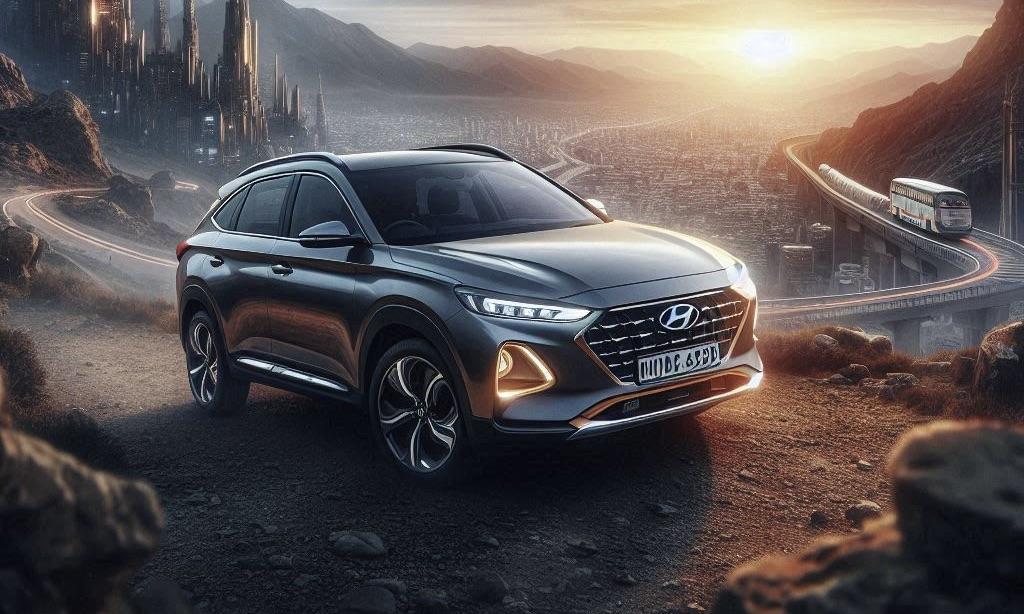
Hyundai Automotive South Africa aims to return to fourth place in market share by introducing new models and initiatives, including the refreshed i20 hatchback and the upcoming Exter SUV, which will debut in September.
Hyundai Targets Market Share Boost with New Models and Initiatives to Reclaim Fourth Place
According to Hyundai SA sales and operations director Stanley Anderson, Hyundai has set itself the goal of returning to fourth place (in terms of market share) in the combined passenger and light commercial vehicle market.
The local importer fell from fourth place last year to sixth place for the year-to-end May and is now behind Toyota, Suzuki, Volkswagen, Ford, and Nissan. It sold roughly 1,900 fewer units in the first five months of the year than over the same period last year.
Anderson thinks that the Motus-group company will be able to regain lost ground by introducing various new models and initiatives, such as a refreshed i20 hatchback introduced this month and a new small sports-utility vehicle (SUV) imminently due from India.
The Exter SUV is scheduled to make its local début in September and is constructed on the Grand i10 platform.
As cash-strapped consumers persist in pursuing value-for-money offerings from vehicle manufacturers, this model will grant Hyundai access to a highly sought-after segment of the South African market.
Hyundai Expands Compact Cargo Lineup to Boost Sales and Capture New Customer Segments
According to Anderson (via Engineering News),, Hyundai SA is also focusing on the compact cargo market with its new Venue Cargo and Grand i10 Cargo models, which are expected to sell an additional 100 units per month.
The company is acquiring customers, including security companies and pathology groups, who may have previously purchased the now-defunct NP200 half-ton bakkie to transport their products.
Hyundai has also resumed participation in the government procurement market, as evidenced by the popularity of its Staria minibus.
“We also need to sell more of what we have available to the market,” says Anderson. “This includes the H100 bakkie. We usually do 200 a month, and we would like to sell 250 a month.”
Anderson maintains that Toyota and Suzuki are the most significant competitors in the R300 000 to R500 000 segment despite the increasing sales of Chinese competitors. Conversely, Chinese brands, including the famous Toyota Cross, have gained market share in the R300,000 to R500,000 segment.
Anderson anticipates that more Chinese importers will enter the domestic market.
In terms of the domestic market's longevity, he states that newcomers may still need to be improved by long-term durability, high gasoline consumption, and the availability of accident parts, even though these brands offer attractive styling.
Photo: Microsoft Bing







