


 NASA's Artemis II Mission: First Crewed Lunar Journey Since Apollo
  Microsoft Eyes $7B Texas Energy Deal to Power AI Data Centers
  Australia's Social Media Ban for Under-16s Sparks Global Movement
  California's AI Executive Order Pushes Responsible Tech Use in State Contracts
  TSMC Posts Strong Q1 2025 Revenue, Riding AI Chip Demand Wave
  Bank of America Identifies Top Asia-Pacific Semiconductor Stocks Poised for AI-Driven Growth
  NASA Artemis II: First Crewed Moon Mission Since Apollo Takes Four Astronauts on 10-Day Lunar Journey
  Britain Courts Anthropic Amid US Defense Department Dispute
  Samsung Electronics Posts Eightfold Profit Surge Driven by AI Chip Demand
  Anthropic Fights Pentagon Blacklisting in Dual Federal Court Battles
  U.S. Disrupts Russian Military Hackers' Global DNS Hijacking Network
  MATCH Act Targets ASML and Chinese Chipmakers in New U.S. Export Crackdown
  Apple Turns 50: From Garage Startup to AI Crossroads
  Elon Musk Ties SpaceX IPO Access to Mandatory Grok AI Subscriptions
  OpenAI Executive Shake-Up Ahead of Anticipated 2026 IPO
  Anthropic's Mythos AI Model Sparks Emergency Cybersecurity Meeting With Top U.S. Bank CEOs


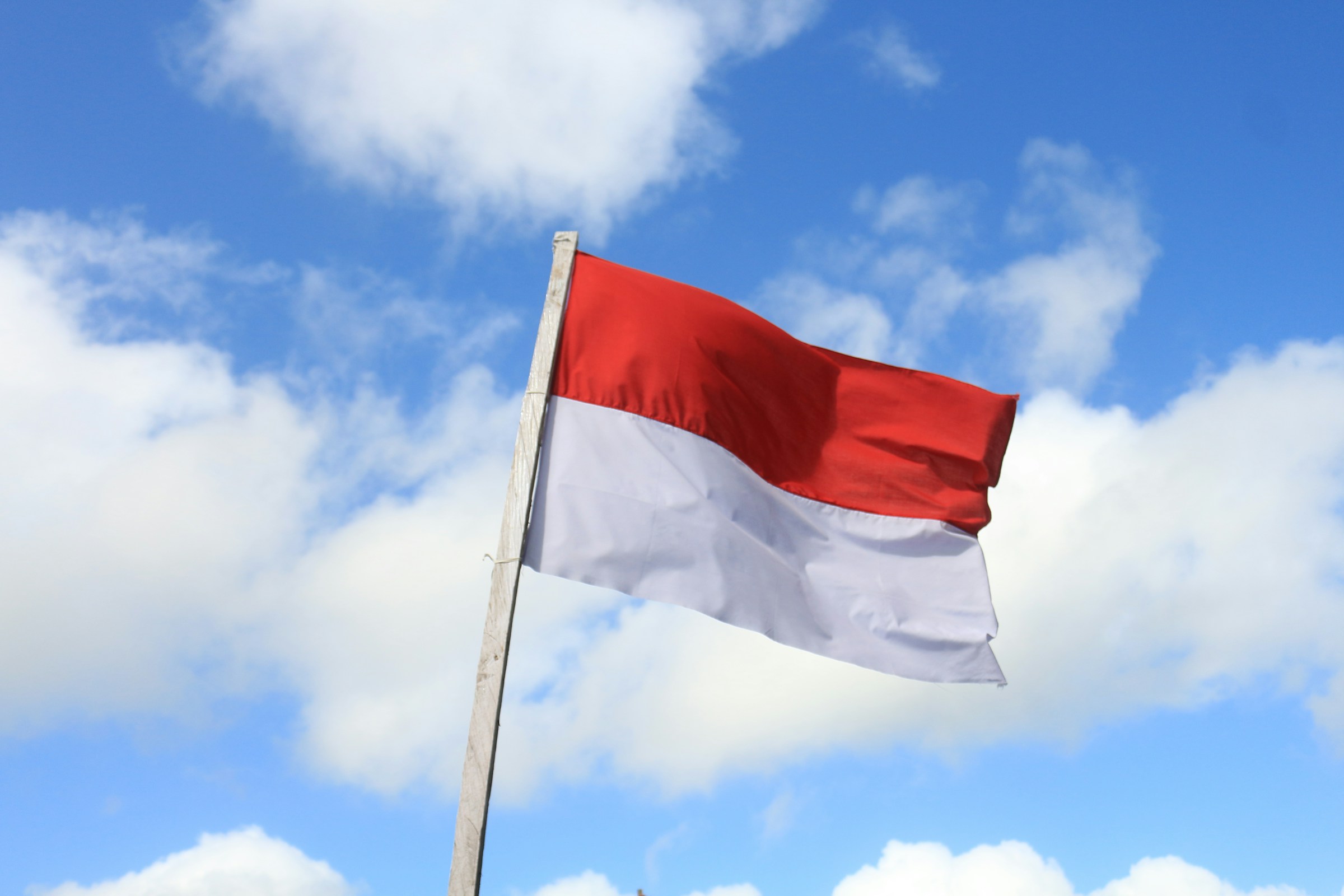
In East Jakarta, 19-year-old shopkeeper Fika Juliana Putri is gearing up to cast her vote in Indonesia's upcoming presidential election.
Her choice? A once-feared former special forces commander whom she finds endearing.
The unconventional campaign strategy of General Prabowo Subianto, Indonesia's defense minister, has captured the attention of voters like Putri. An AI-generated cartoon version of Prabowo, exuding a cute and cuddly vibe, has become ubiquitous on billboards, merchandise, and social media platforms nationwide.
Transforming Political Campaigning with AI
As Indonesia prepares for its general elections on February 14, observers believe that the widespread use of generative AI in political campaigning could herald a new era in electoral tactics.
The youthful and approachable persona projected by Prabowo's AI avatar marks a departure from his previous fiery nationalist image, resonating particularly with the younger demographic, who make up half of Indonesia's 205 million voters.
According to Reuters, Prabowo's campaign and other political entities have embraced AI technology to craft tailored campaign strategies and speeches. Pemilu.AI, an app developed by political consultant Yose Rizal, utilizes OpenAI's GPT-4 and 3.5 software to analyze demographic data, social media trends, and news websites. The app generates speeches, slogans, and social media content customized for specific constituencies, catering to the preferences and priorities of individual candidates.
Ethical Concerns and Regulatory Oversight
However, the growing reliance on AI in political campaigning raises ethical concerns and prompts questions about regulatory oversight. While some argue that AI-powered tools like Pemilu.AI enhance transparency and facilitate informed decision-making, others caution against the potential for voter manipulation and the spread of misinformation.
As Indonesia's election campaign unfolds, stakeholders grapple with the implications of AI technology in shaping electoral outcomes.
According to Jakarta Globe, while regulatory frameworks are yet to be fully developed, policymakers, tech providers, and civil society organizations are closely monitoring the use of AI in political campaigns to ensure fair and transparent electoral processes.
Photo: Bisma Mahendra/Unsplash







