


 NASA's Artemis II Mission: First Crewed Lunar Journey Since Apollo
  Annie Altman Amends Sexual Abuse Lawsuit Against OpenAI CEO Sam Altman
  Nanya Technology Shares Surge 10% After $2.5 Billion Private Placement from Sandisk and Cisco
  California's AI Executive Order Pushes Responsible Tech Use in State Contracts
  Rubio Directs U.S. Diplomats to Use X and Military Psyops to Counter Foreign Propaganda
  Apple's Foldable iPhone Faces Engineering Setbacks, Mass Production Timeline at Risk
  Samsung Electronics Eyes Record Q1 Profit Amid AI-Driven Chip Boom
  Microsoft's $10 Billion Japan Investment: AI Infrastructure and Data Sovereignty Push
  SMIC Allegedly Supplies Chipmaking Tools to Iran's Military, U.S. Officials Warn
  Google's TurboQuant Algorithm Sends Memory Chip Stocks Tumbling
  Federal Judge Blocks Pentagon's Blacklisting of AI Company Anthropic
  Cybersecurity Stocks Tumble After Anthropic's Claude Mythos AI Leak Sparks Market Fears
  TSMC Japan's Second Fab to Produce 3nm Chips by 2028
  Reflection AI Eyes $25 Billion Valuation in Massive $2.5 Billion Funding Round
  Australia's Social Media Ban for Under-16s Sparks Global Movement


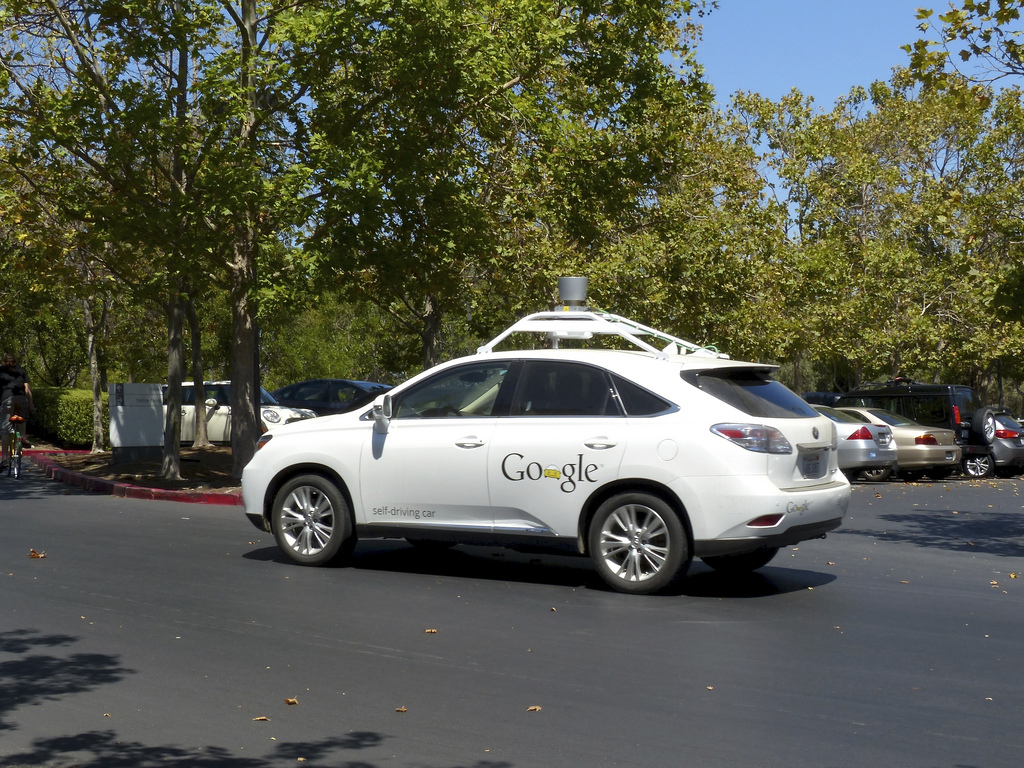
Usually, when it comes to matters of wages, employees leave a company because they are not getting paid enough. However, employees at Waymo, the spinoff company responsible for the Google self-driving car technology are going against the grain. According to new reports, workers are now leaving because they were being paid too much money.
To be clear, Waymo is not losing talented employees because they felt weird taking such huge amounts in annual salary and bonuses. Rather, they simply received so much money that they no longer felt that they needed to remain at the company, Bloomberg reports.
The payment structure at the Alphabet Company was a bit skewed right from the start, where original members were given lucrative offers in order to remain at the company and work on the driverless technology. However, as soon as the self-driving sector took off and many other companies started investing in the trend, many of these employees got poached.
Others felt that they could stand to venture forth and start their own company with their expertise. The reason that they could do this was the exorbitant amount of money that they already got from Google. Some of the employees even called it "F-you money," according to the publication.
Right now, there are no precise details with regards to how much the Waymo employees received in terms of their salaries and their bonuses, Business Insider reports. Looking at how many key staff members the company has been losing since the start of the year, however, it’s clear that enough of them made plenty of money during their tenure at Google.
Waymo is still a functional company right now, with no reports of problems that could potentially derail the tech giant’s efforts at finally becoming a profitable arm of Alphabet. If it keeps bleeding talent, however, there’s no telling what might happen.







