


 Microsoft's $10 Billion Japan Investment: AI Infrastructure and Data Sovereignty Push
  Chinese Universities with PLA Ties Found Purchasing Restricted U.S. AI Chips Through Super Micro Servers
  Makemation: a Nollywood movie that shows AI in action in Africa
  Samsung Electronics Eyes Record Q1 Profit Amid AI-Driven Chip Boom
  NASA Artemis II: First Crewed Moon Mission Since Apollo Takes Four Astronauts on 10-Day Lunar Journey
  California's AI Executive Order Pushes Responsible Tech Use in State Contracts
  Nanya Technology Shares Surge 10% After $2.5 Billion Private Placement from Sandisk and Cisco
  NASA's Artemis II Mission: First Crewed Lunar Journey Since Apollo
  Apple's Foldable iPhone Faces Engineering Setbacks, Mass Production Timeline at Risk
  Reflection AI Eyes $25 Billion Valuation in Massive $2.5 Billion Funding Round
  China's Push to Steal Taiwan's Chip Technology and Talent Raises Security Alarms
  MATCH Act Targets ASML and Chinese Chipmakers in New U.S. Export Crackdown
  Australia's Social Media Ban for Under-16s Sparks Global Movement
  Meta and Google just lost a landmark social media addiction case. A tech law expert explains the fallout
  SpaceX Eyes Historic IPO at $1.75 Trillion Valuation
  Apple Turns 50: From Garage Startup to AI Crossroads


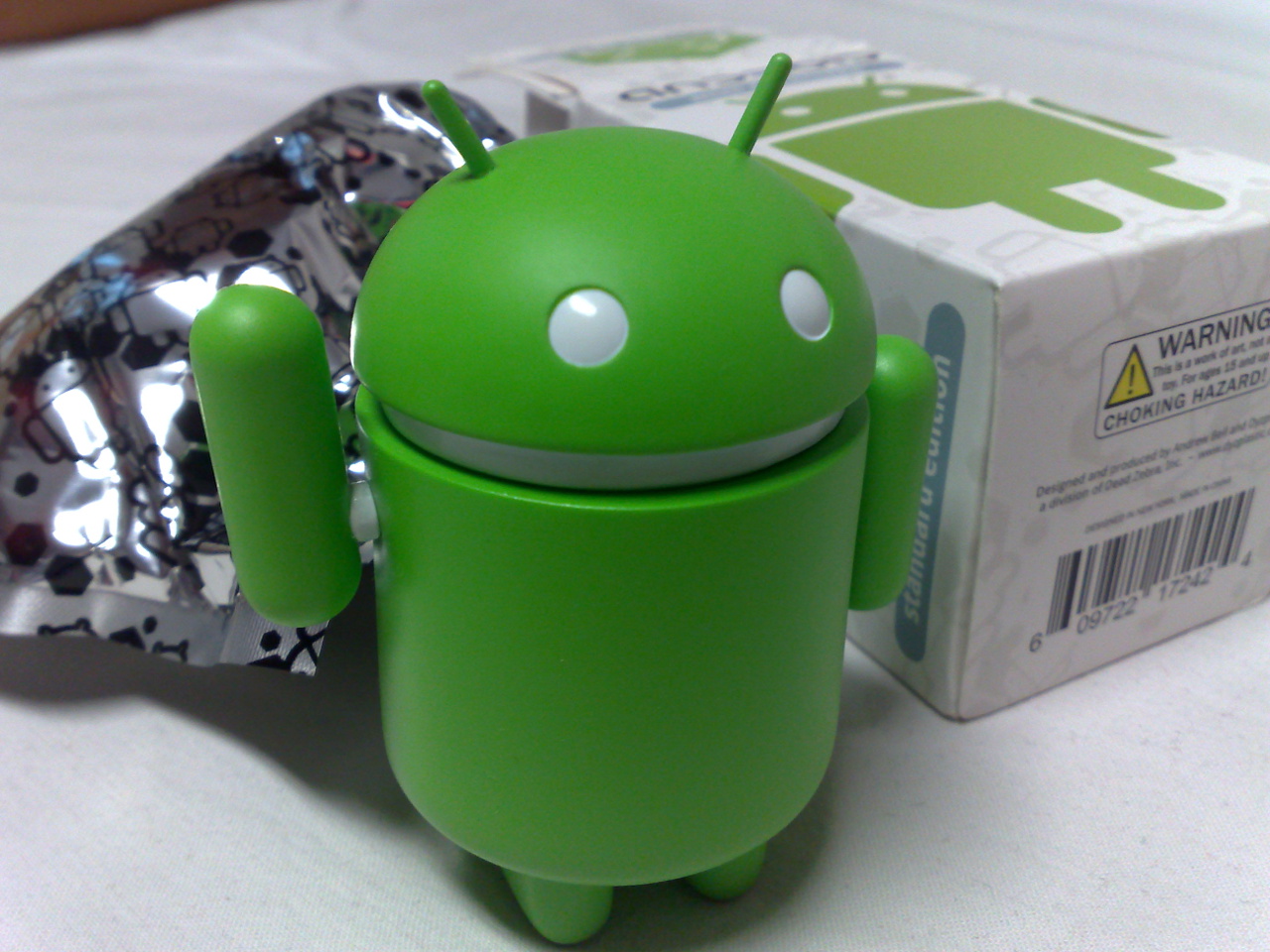
Google and Russia have been involved in a bit of a tiff for some time now due to accusations of anti-competitive practices leveled by the country’s antimonopoly watchdog with regards to Android devices. The two forces were locked in a legal struggle, which was recently resolved out of court. It basically involves Google backing off from controlling what goes into the Android devices that are made and sold in Russia.
The core issue that the Federal Antimonopoly Service (FAS) in Russia had with the arrangement that Google had with Android manufacturers was the perceived monopoly that the tech firm was pushing with regards to the apps installed in the devices. Russia wanted Google to allow manufacturers to determine which apps would go into the devices by default and the company finally agreed, The Verge reports.
On top of allowing local smartphone makers in the region to install different web browsing and search engine apps to be installed in the devices they make, Google also had to shell out $7.8 million in fees. Now, the company can no longer enforce any kind of exclusivity on its Russian partners.
It would seem that one of the biggest winners in this development is the search engine company called Yandex, which is actually a pretty big deal in Russia. Effectively Google’s rival in the region, the company joined the trend of filing a lawsuit against the bigger brand for anti-competitive practices. Based on the statement that Yandex CEO Arkady Volozh released, they are in a celebratory mood.
“I am thankful to the Federal Antimonopoly Service for applying the law in a manner that effectively and efficiently restores competition to the market for the benefit of Russian users,” the statement reads.
Naturally, the consumers are also going to benefit from this development because competition breeds innovation and better services. It’s also the exact reason why monopolies are fought so fiercely in developed countries.







