


 Bessent, He Lifeng to Discuss AI Security and Trade in New York
  China’s robots can run faster than Usain Bolt – now they are being prepared for war
  Big AI wants to slow down AI research. Is it a safety pause or a strategic retreat?
  Vietnam, US Trade Deal Could Be Signed Soon, To Lam Says
  UK Home Asking Prices Rise for First Time Since May
  US, Japan and South Korea Back Taiwan Ahead of Trump-Xi Summit
  Oil Prices Rise as Houthi Strikes on Riyadh Fuel Middle East Tensions
  Fed Rate Hike Threatens Housing as U.S. Growth Leans on AI, Citi Says
  US-China Talks Target AI, Tariffs Ahead of Trump-Xi Summit
  Mexico Pushes for US Trade Deal Before Midterms
  Strait of Hormuz Oil Shipments Hit Six-Month High as U.S. Clears Mines
  Banking scandal rocks Brazil’s politics and the country’s presidential election in October
  FxWirePro- Crypto Weekly Alpha: ETF Rebounds, L2 Rallies & Key Resistance Levels
  Europe can’t achieve space sovereignty alone. Here’s why


 Add as a preferred source on Google
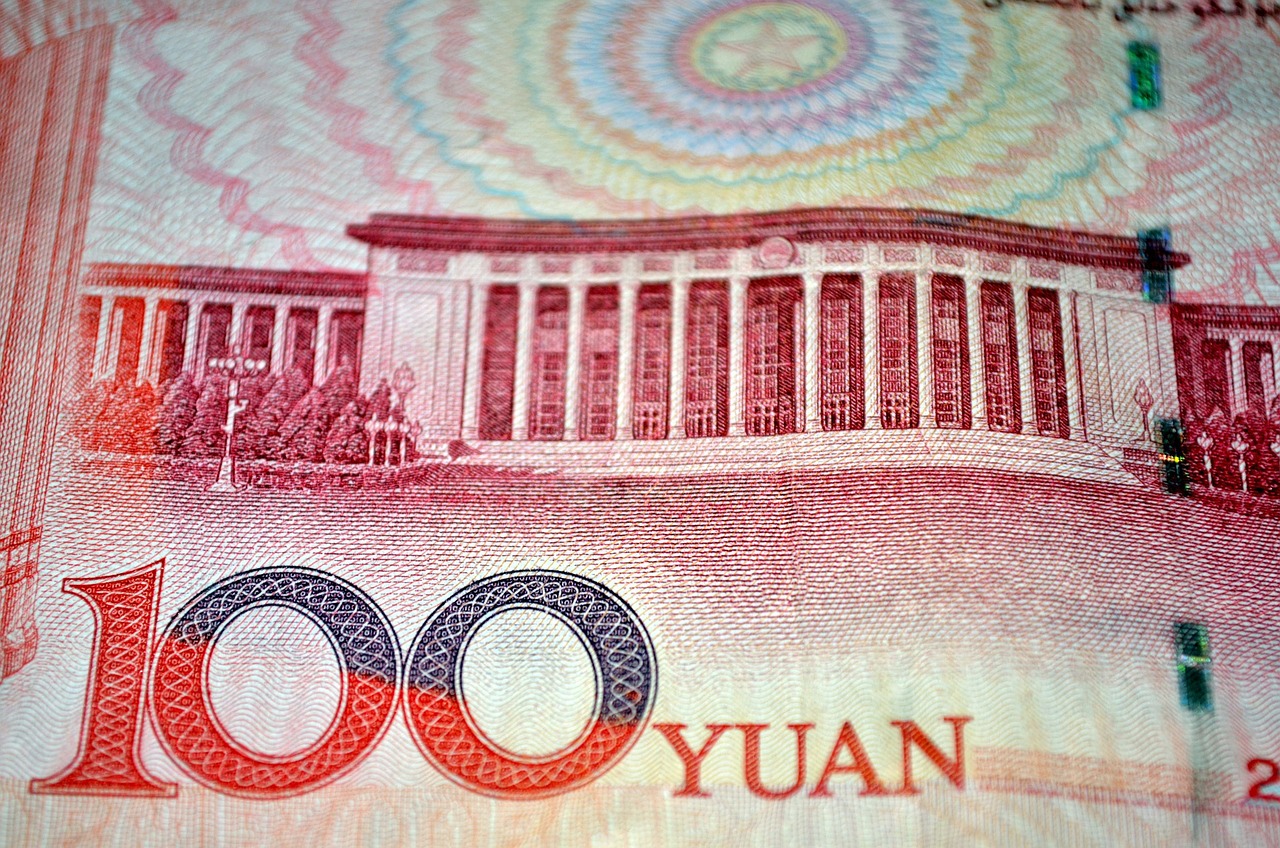
Global investors and borrowers are increasingly turning to the Chinese yuan as lending and financing activity accelerates, driven by attractive pricing and China’s long-term push to internationalize its currency. Yuan-denominated lending at Chinese banks is now close to overtaking overseas dollar loans, highlighting a structural shift in global funding preferences rather than a short-term arbitrage trend.
China’s overseas bank lending has tripled over the past four years to around 2.52 trillion yuan, while both onshore and offshore yuan bond issuance remains at or near record levels for the second consecutive year. Bankers and investors cite low yuan interest rates as a key driver, especially as U.S. rates remain elevated. However, market participants increasingly see genuine, long-term demand for renminbi assets rather than purely tactical trades.
International investors are allocating more capital to yuan-denominated debt, encouraged by stable currency management, competitive yields, and diversification away from dollar dominance. The yield gap between Chinese government bonds and U.S. Treasuries has widened sharply, making yuan funding significantly cheaper for issuers. Three-year panda bonds have been issued at yields well below comparable U.S. Treasury rates, enhancing their appeal.
Demand is also supported by geopolitical and trade considerations. As global trade becomes more regionalized, yuan liabilities are increasingly used in cross-border infrastructure financing, particularly within China’s Belt and Road Initiative. Countries including Indonesia, Kazakhstan, Kenya, and Ethiopia have issued or converted loans into yuan, reflecting practical demand for a currency increasingly used in trade with China.
While yuan-denominated international debt remains small compared to dollar and euro markets, its rapid growth signals progress in China’s strategy to reduce reliance on the dollar system. Analysts emphasize that Beijing is not seeking to replace the dollar outright but to build resilience by expanding the yuan’s role in global trade, lending, and capital markets.
With controlled currency stability, rising investor interest, and expanding real-world usage, yuan lending and bond issuance are likely to continue reaching new highs, reinforcing the renminbi’s growing presence on the global financial stage.







