


 NASA's Artemis II Mission: First Crewed Lunar Journey Since Apollo
  China vs. NASA: The New Moon Race and What's at Stake by 2030
  Microsoft's $10 Billion Japan Investment: AI Infrastructure and Data Sovereignty Push
  TSMC Japan's Second Fab to Produce 3nm Chips by 2028
  OpenAI Executive Shake-Up Ahead of Anticipated 2026 IPO
  Rubio Directs U.S. Diplomats to Use X and Military Psyops to Counter Foreign Propaganda
  Anthropic Fights Pentagon Blacklisting in Dual Federal Court Battles
  Elon Musk Ties SpaceX IPO Access to Mandatory Grok AI Subscriptions
  China's Push to Steal Taiwan's Chip Technology and Talent Raises Security Alarms
  Britain Courts Anthropic Amid US Defense Department Dispute
  Australia's Social Media Ban for Under-16s Sparks Global Movement
  Lumentum Holdings Rides AI Wave With Order Book Filled Through 2028
  U.S. Disrupts Russian Military Hackers' Global DNS Hijacking Network
  SpaceX Eyes Historic IPO at $1.75 Trillion Valuation
  Apple Turns 50: From Garage Startup to AI Crossroads
  California's AI Executive Order Pushes Responsible Tech Use in State Contracts


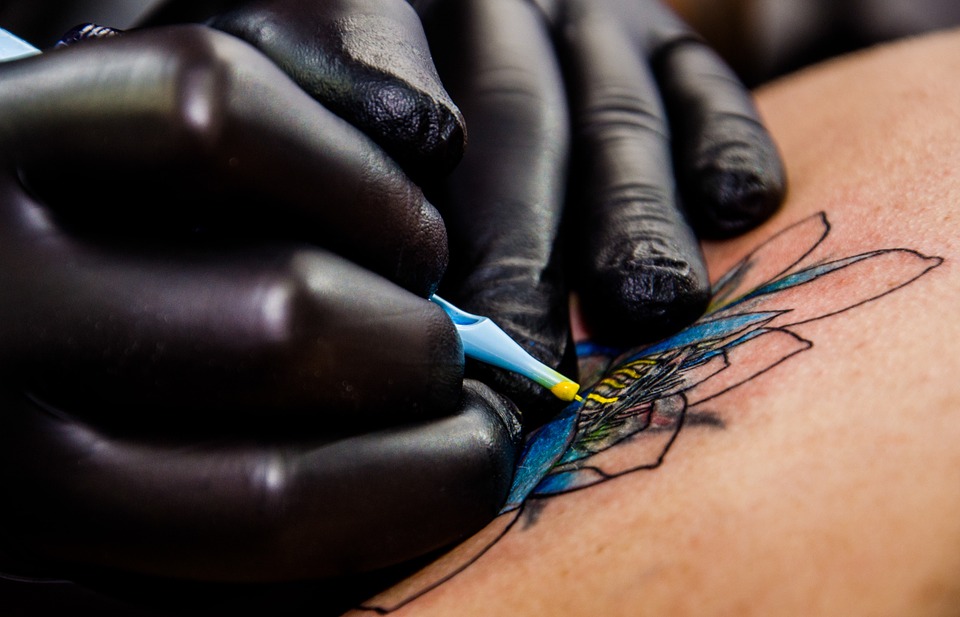
While tattoos are not exactly illegal in most of the world today, it is frowned upon in a lot of cultures. Most parents would go ballistic if their underage children asked to get a tattoo. In the future, however, this may change thanks to a new color-changing ink that scientists developed. This could then be used to monitor the health of patients.
The tattoo ink in question was created by MIT engineers and Harvard Medical School researchers. In the overview that they released titled “DermalAbyss: Possibilities of Biosensors as a Tattooed Interface,” the researchers noted the possibility of combining tattoo and technology in order to make the skin inks more interactive. This is where the project called DermalAbyss comes in.
“DermalAbyss is a proof-of-concept that presents a novel approach to bio-interfaces in which the body surface is rendered an interactive display,” the overview reads. “Traditional tattoo inks are replaced with biosensors whose colors change in response to variations in the interstitial fluid. It blends advances in biotechnology with traditional methods in tattoo artistry.”
As to how the researchers even managed to create the kind of tattoo that helps monitor health, it involves creating an ink that reacts to something called the interstitial fluid. This is basically the fluid that houses the body’s cells, Futurism notes. By interacting with this substance, the ink is able to make unique property changes that correspond to things like blood glucose and pH levels.
So, the idea behind the new concept is to place the tattoo on the skin of the patient in whatever design they want. Once that’s done, the ink would then keep track of the body’s state at any given time. As a result, if something like a rise in blood sugar levels is detected, the tattoo would turn brown. This would make for a convenient real-time monitoring system for an expedient response.







