


 Nvidia, ByteDance, and the U.S.-China AI Chip Standoff Over H200 Exports
  Oracle Plans $45–$50 Billion Funding Push in 2026 to Expand Cloud and AI Infrastructure
  Nvidia Nears $20 Billion OpenAI Investment as AI Funding Race Intensifies
  AMD Shares Slide Despite Earnings Beat as Cautious Revenue Outlook Weighs on Stock
  Sony Q3 Profit Jumps on Gaming and Image Sensors, Full-Year Outlook Raised
  Elon Musk’s Empire: SpaceX, Tesla, and xAI Merger Talks Spark Investor Debate
  Anthropic Eyes $350 Billion Valuation as AI Funding and Share Sale Accelerate
  Jensen Huang Urges Taiwan Suppliers to Boost AI Chip Production Amid Surging Demand
  Nvidia Confirms Major OpenAI Investment Amid AI Funding Race
  Global PC Makers Eye Chinese Memory Chip Suppliers Amid Ongoing Supply Crunch
  Amazon Stock Rebounds After Earnings as $200B Capex Plan Sparks AI Spending Debate
  SpaceX Prioritizes Moon Mission Before Mars as Starship Development Accelerates
  Google Cloud and Liberty Global Forge Strategic AI Partnership to Transform European Telecom Services
  SpaceX Seeks FCC Approval for Massive Solar-Powered Satellite Network to Support AI Data Centers
  Palantir Stock Jumps After Strong Q4 Earnings Beat and Upbeat 2026 Revenue Forecast
  Nvidia CEO Jensen Huang Says AI Investment Boom Is Just Beginning as NVDA Shares Surge
  Nintendo Shares Slide After Earnings Miss Raises Switch 2 Margin Concerns


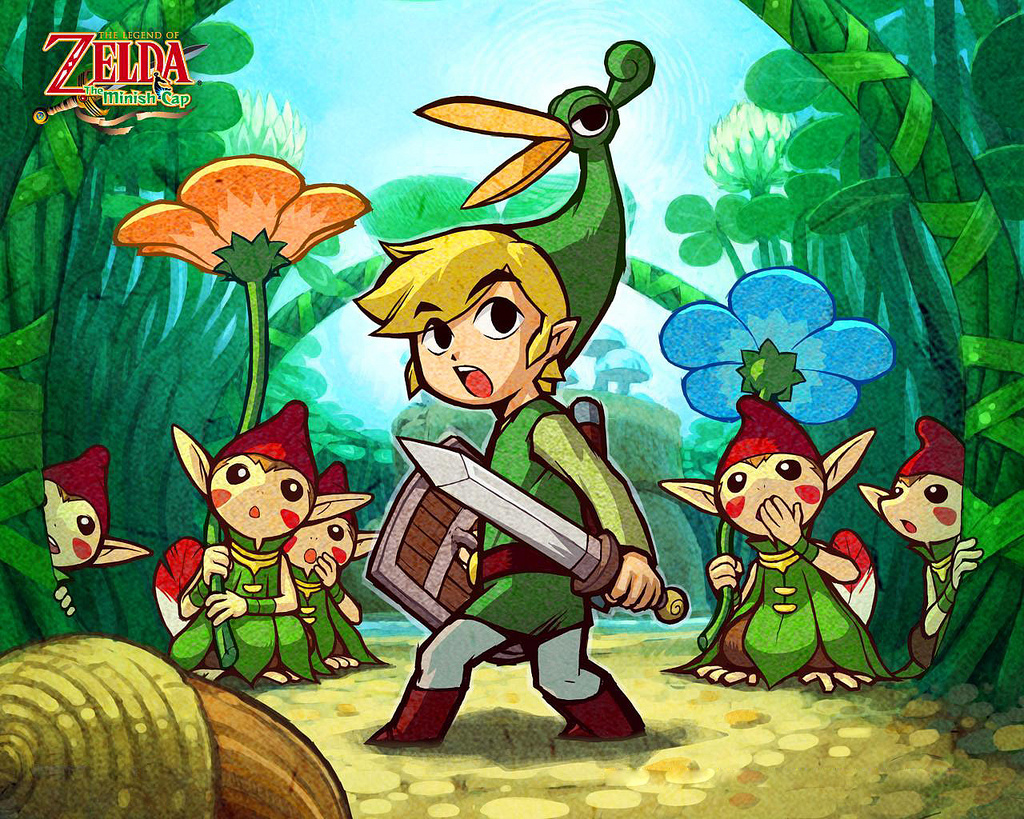
Politicians have had a long history of trying to appeal to young voters by using pop-culture references in a variety of platforms. The Republican Party recently tried to do this by comparing The Legend of Zelda property to the US tax code. Unfortunately, the party of old people and conservatives got a few details wrong, which forced them to backpedal hard on the pandering.
The gaffe happened when the GOP posted a blog with the title "What Do The Legend of Zelda and the American Tax Code Have In Common?", Ars Technica reports. In the post, Republicans wrote that the first installment in the video game franchise was released in 1986, a year after Nintendo was supposedly established, which they claimed was in 1985.
The GOP then tried to tie this tidbit in with the last time the American Tax Code was reformed, which happened in the same year. Unfortunately for whoever wrote the article, they made a huge blunder.
“The Legend of Zelda series is Nintendo’s best-selling video game franchise enjoyed by more than two generations of gamers. The action-adventure game was released in 1986, only one year after Nintendo’s founding in 1985,” the post, which has since been deleted read.
And you know what else was released in 1986? Yeah, you do. The last major reform to the American tax code was signed into law in 1986.”
For point of fact, Nintendo has actually been around since 1889. That’s when the company was still selling gaming cards. Even if the company meant Nintendo of America, they would still be wrong since the US branch was established in 1980.
It took an hour before the post was taken down, presumably because of all the “Um, actually…” comments and posts that the article got blasted with by citizens of the internet geekdom. A revised version was then put up with the correction.
On that note, this whole debacle has overshadowed the original intent behind the post, which was to shine a light on the fact that it has been decades since the tax code has been revised. The writer simply tried to make the article more interesting be appealing to the younger demographic using a reference that they could relate to.













