


 Samsung Electronics Eyes Record Q1 Profit Amid AI-Driven Chip Boom
  First Western Ship Transits Strait of Hormuz Since Iran War Began
  RBC Capital: European Medtech Firms Show Minimal Middle East and Energy Risk Exposure
  Makemation: a Nollywood movie that shows AI in action in Africa
  Rubio Directs U.S. Diplomats to Use X and Military Psyops to Counter Foreign Propaganda
  Deere & Company Agrees to $99 Million Settlement Over Right-to-Repair Dispute
  TSMC Japan's Second Fab to Produce 3nm Chips by 2028
  Apple Turns 50: From Garage Startup to AI Crossroads
  Fonterra Admits Anchor Butter "Grass-Fed" Label Misled Consumers After Greenpeace Lawsuit
  Chinese Universities with PLA Ties Found Purchasing Restricted U.S. AI Chips Through Super Micro Servers
  SpaceX Eyes Historic IPO at $1.75 Trillion Valuation
  Nike Beats Q3 Estimates but China Weakness and Margin Pressure Weigh on Outlook
  Britain Courts Anthropic Amid US Defense Department Dispute
  Elon Musk Ties SpaceX IPO Access to Mandatory Grok AI Subscriptions
  Australia's Social Media Ban for Under-16s Sparks Global Movement
  NASA's Artemis II Crew Arrives in Florida for Historic Moon Mission
  Pershing Square Bids €30.40 Per Share to Acquire Universal Music Group in $9.4B Deal


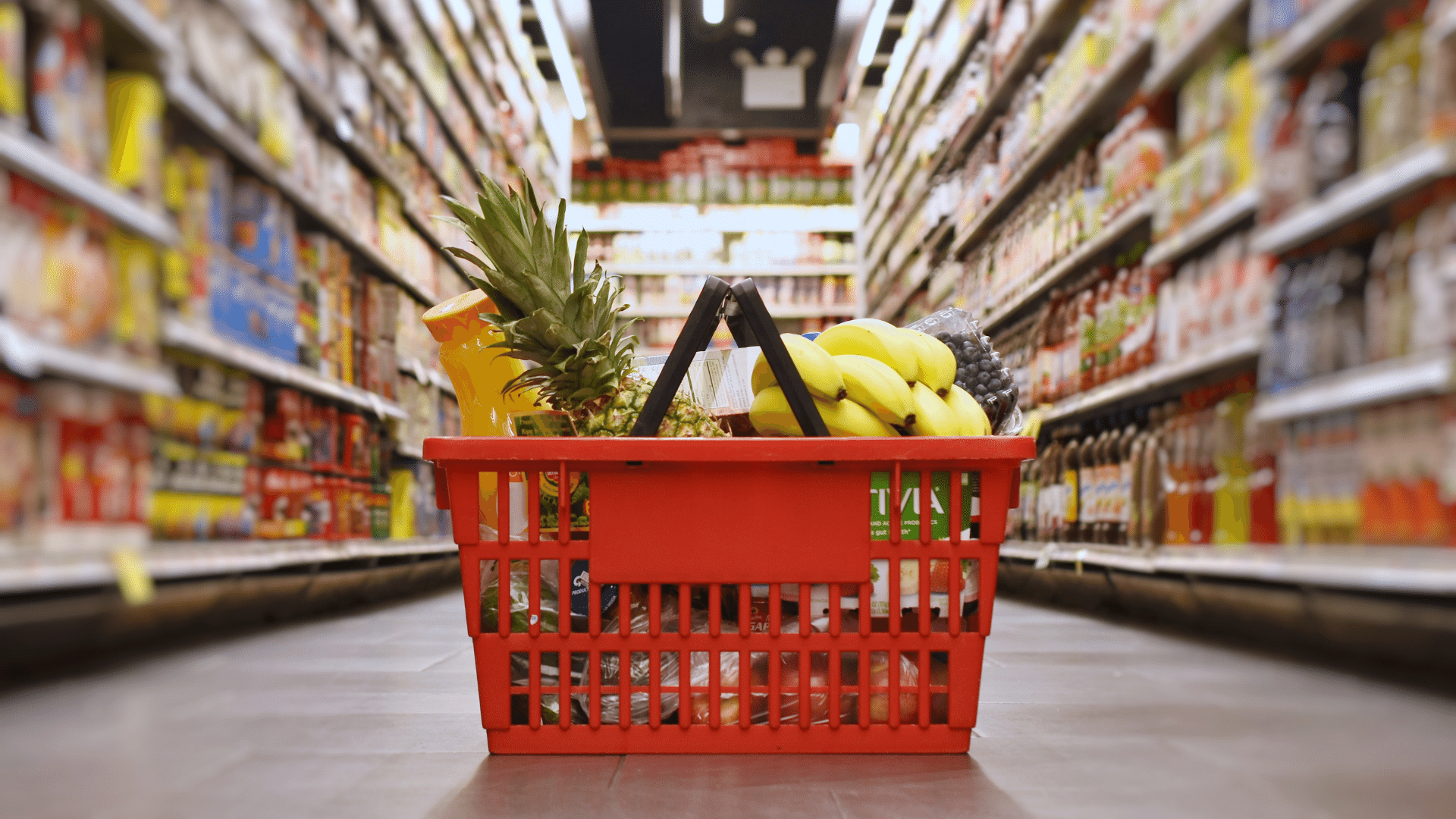
French startup Ida, focused on revolutionizing the way supermarkets order fresh produce, has recently secured significant funding to propel its innovative approach. The company, aiming to streamline the ordering process for items like fruits, vegetables, and meats, successfully raised $2.9 million from various investors, including Frst, Daphni, Motier Ventures, and Kima Ventures.
Traditionally, grocery stores depend on cumbersome order sheets for restocking, a method prone to errors leading to food wastage and missed sales opportunities. Ida's solution aims to address these inefficiencies with a more accurate, technology-driven approach.
Revolutionizing Grocery Store Reordering
Ida offers a unique solution to the often guesswork-heavy task of restocking perishable goods in grocery stores. Their system uses a tablet app linked to a sales forecasting algorithm, providing precise guidance on when and how much to reorder. This technology is initially targeting fruits and vegetables, with plans to expand to other perishables like meat and fish.
Co-founder and CEO Mateo Beacco explains that traditional methods, often based on intuition and past experiences, are not always reliable, especially with the increasing turnover in grocery store staff. Ida’s approach is to provide a more data-driven tool that helps grocers make informed decisions about restocking.
Innovative Inventory and Forecasting Methods
Ida's system goes beyond traditional point-of-sale data analysis, particularly for items like fruits and vegetables. The startup creates a probabilistic inventory, considering real-life shopping scenarios and variations, such as the frequent mislabeling of organic and non-organic products at checkout points.
Moreover, Ida incorporates over a hundred parameters into its forecasting model, including three years of sales data, weather, seasonality, and local market conditions. This comprehensive analysis aids in predicting demand more accurately, leading to optimized stock levels that reduce waste and prevent shortages.
Additionally, Ida's technology considers the unique constraints of grocery stores, such as the specific packaging sizes and shelf capacities. Beacco highlights the mathematical challenge involved in deciding the precise quantity to order, ensuring the right balance between sufficient stock and avoiding excess.
Collaborative Order Processing and Future Prospects
While Ida suggests optimal order quantities, store staff can review and adjust these recommendations manually. Currently, around 70 to 75% of Ida's suggestions are accepted without changes, demonstrating the accuracy of their system. Once finalized, Ida generates order forms for central purchasing offices and can even accommodate orders from local producers.







