


 Cybersecurity Stocks Tumble After Anthropic's Claude Mythos AI Leak Sparks Market Fears
  Australia's Social Media Ban for Under-16s Sparks Global Movement
  NASA Artemis II: First Crewed Moon Mission Since Apollo Takes Four Astronauts on 10-Day Lunar Journey
  Rubio Directs U.S. Diplomats to Use X and Military Psyops to Counter Foreign Propaganda
  SpaceX IPO Filing Expected This Week as Valuation Could Surpass $75 Billion
  Apple Turns 50: From Garage Startup to AI Crossroads
  Samsung Electronics Eyes Record Q1 Profit Amid AI-Driven Chip Boom
  Google's TurboQuant Algorithm Sends Memory Chip Stocks Tumbling
  Microsoft Eyes $7B Texas Energy Deal to Power AI Data Centers
  Annie Altman Amends Sexual Abuse Lawsuit Against OpenAI CEO Sam Altman
  Meta Ties Executive Pay to Aggressive Stock Price Targets in Major Retention Push
  Chinese Universities with PLA Ties Found Purchasing Restricted U.S. AI Chips Through Super Micro Servers
  Elon Musk Ties SpaceX IPO Access to Mandatory Grok AI Subscriptions
  NASA's Artemis II Crew Arrives in Florida for Historic Moon Mission
  SpaceX Eyes Historic IPO at $1.75 Trillion Valuation
  SMIC Allegedly Supplies Chipmaking Tools to Iran's Military, U.S. Officials Warn


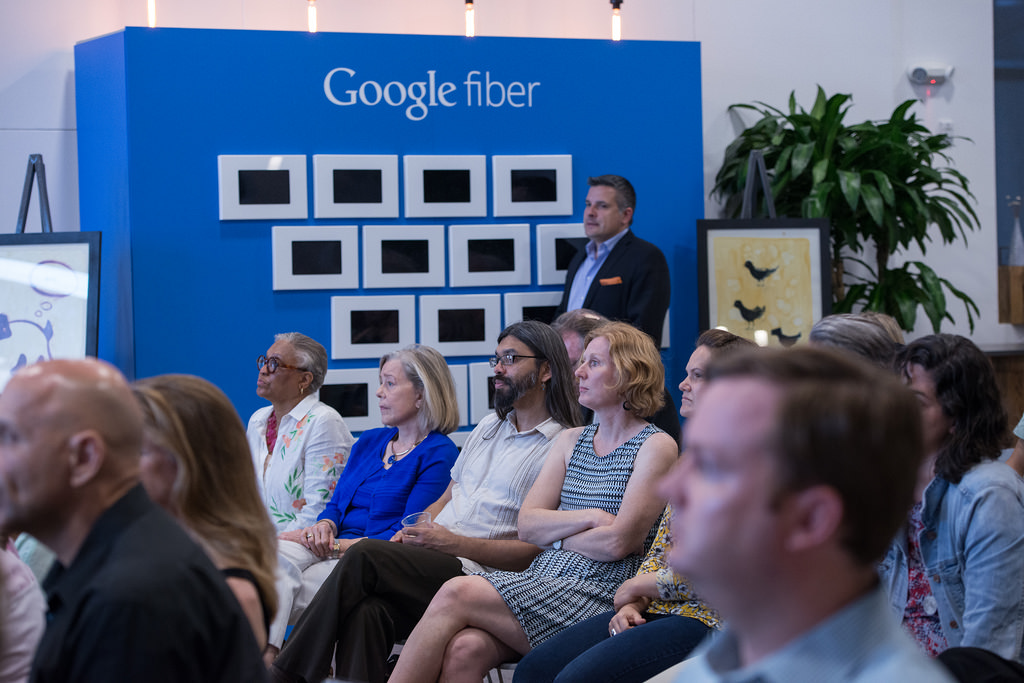
“Google Fiber” is one of the fastest commercial internet providers in the market, but the search engine company’s ISP division has been having trouble getting subscribers onboard. In an attempt to make its services more appealing, Google is working with local authorities in Kansas City to make the gigabit internet speed essentially free.
According to The Tennessean, Google’s last attempt at wooing low-income users was a failure, largely because of the requirements that the services entailed; users needed debit cards or credit cards in order to sign up and they needed to pay a subscription fee of $25 a month. This was four years ago. Now, Google is doing a block party where residents of Edgehill Apartments will be able to sign up for the internet service for free.
The Non-profit organization Salama Urban Ministries will be covering the costs of registration for the residents, the paper reports, where each costs just about 10 cents. The low cost and the third-party cooperation are just parts of Google’s attempt to include low-income users in their services. Google Fiber’s Nashville Community Impact Manager, Daynise Joseph said as much when talking about the disparity in terms of internet access among the different levels of society.
“We have a very clear digital divide,” Joseph said. “The way we address that is by trying to remove barriers and provide options for people.”
More than the lack of interest in the service, however, the Wall Street Journal also reports on the enormous costs and issues related to installing fiber optic lines. Google notes that the main reason why so many other carriers offering high-speed fiber internet connection have given up on the idea is because of the financial and logistical obstacles involved.
This is why the company was forced to look to wireless options by acquiring companies like Webpass Inc., which connect users to the internet via point-to-point beaming of signals. This was in order to cut down on the costs while still offering high-speed internet.







