


 Baidu Approves $5 Billion Share Buyback and Plans First-Ever Dividend in 2026
  Ford and Geely Explore Strategic Manufacturing Partnership in Europe
  Nvidia, ByteDance, and the U.S.-China AI Chip Standoff Over H200 Exports
  Instagram Outage Disrupts Thousands of U.S. Users
  Rio Tinto Shares Hit Record High After Ending Glencore Merger Talks
  Uber Ordered to Pay $8.5 Million in Bellwether Sexual Assault Lawsuit
  SpaceX Pushes for Early Stock Index Inclusion Ahead of Potential Record-Breaking IPO
  TSMC Eyes 3nm Chip Production in Japan with $17 Billion Kumamoto Investment
  Weight-Loss Drug Ads Take Over the Super Bowl as Pharma Embraces Direct-to-Consumer Marketing
  CK Hutchison Launches Arbitration After Panama Court Revokes Canal Port Licences
  TrumpRx Website Launches to Offer Discounted Prescription Drugs for Cash-Paying Americans
  Tencent Shares Slide After WeChat Restricts YuanBao AI Promotional Links
  Amazon Stock Rebounds After Earnings as $200B Capex Plan Sparks AI Spending Debate
  Alphabet’s Massive AI Spending Surge Signals Confidence in Google’s Growth Engine
  Trump Backs Nexstar–Tegna Merger Amid Shifting U.S. Media Landscape
  Prudential Financial Reports Higher Q4 Profit on Strong Underwriting and Investment Gains
  OpenAI Expands Enterprise AI Strategy With Major Hiring Push Ahead of New Business Offering


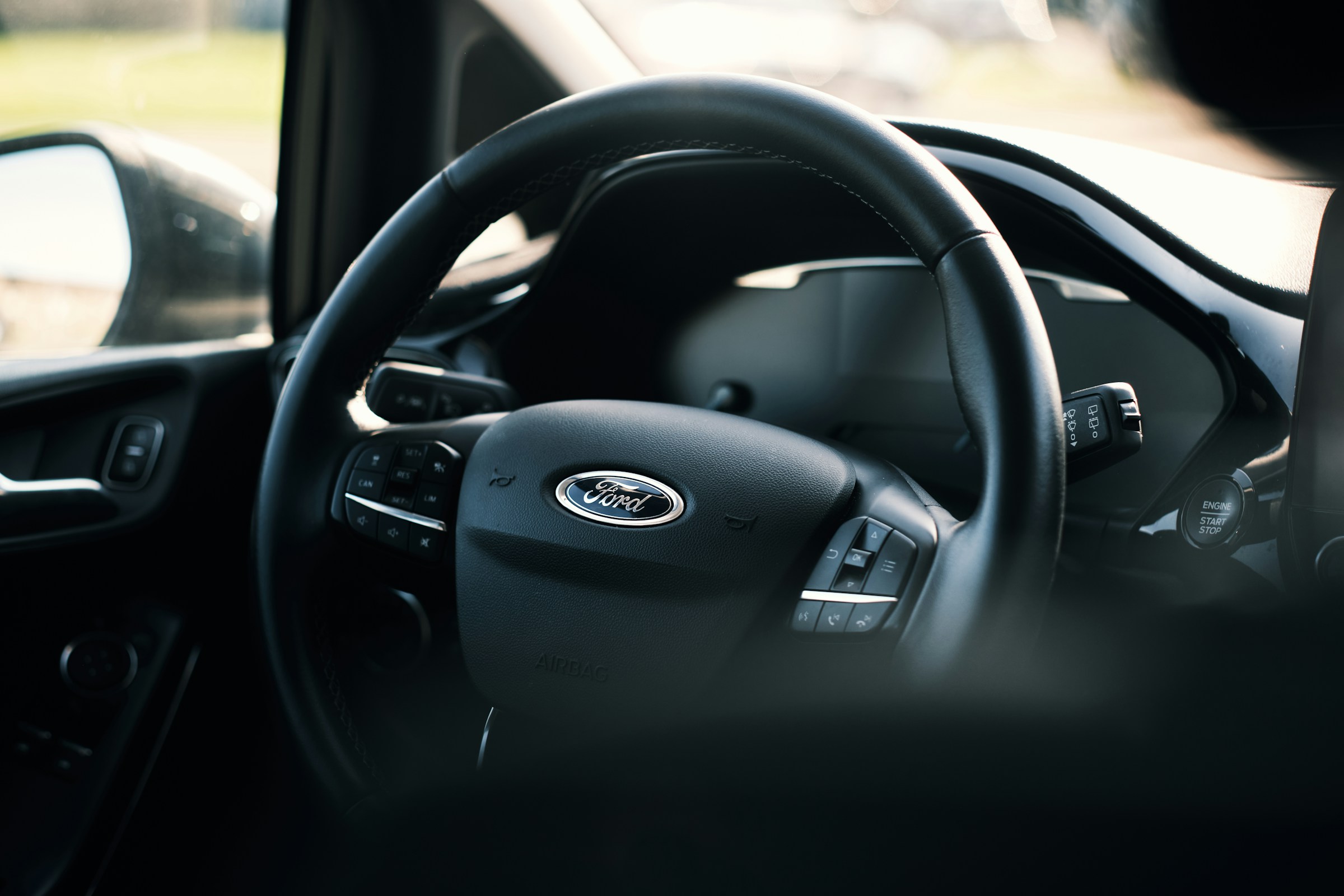
In a significant pivot from its initial ambitions for a fully electric future in Europe, Ford Motor Company has announced it may continue offering gasoline-powered vehicles and hybrids beyond 2030. This adjustment reflects the automaker's response to the evolving market dynamics and consumer adoption rates of electric vehicles (EVs) in the region.
Adapting to Market Realities
Reuters reported that Ford's strategic update comes amid slower-than-expected EV adoption rates across Europe, prompting a reassessment of its product roadmap. "As EV adoption in Europe has slowed, we believe we need to offer our customers ICE (internal combustion engine) and hybrid vehicle options beyond 2030," the Detroit-based automaker said.
By keeping the door open for internal combustion engine and hybrid vehicles, Ford aims to maintain its competitive edge and meet diverse consumer needs in a transitioning market.
The Drive for Hybrids and Challenges Ahead
According to MSN, the surge in demand for hybrid vehicles marks a noticeable shift in consumer preferences, potentially influenced by the current limitations in EV infrastructure, such as charging stations, across Europe.
Therefore, automakers are recalibrating their electrification strategies, emphasizing hybrids as a transitional solution toward full electrification. However, the broader ambition to transition away from gasoline-powered vehicles remains unchanged, driven by global pressures to reduce emissions and combat climate change.
Looking Forward Amid Global Economic Headwinds
The automotive industry, including giants like GM and Ford, faces compounded challenges from a global slowdown in EV demand, rising competition, and macroeconomic uncertainties. These factors have led to delayed investments and an increased focus on core gasoline-powered models, which continue to form the backbone of these companies' revenue streams.
Despite these challenges, Ford's willingness to adapt its strategy underscores its commitment to catering to market demands while navigating toward a sustainable future. With upcoming financial results on the horizon, industry watchers will keenly observe how these strategic adjustments will affect Ford's business performance and its path toward electrification.
Photo: Jessy Smith/Unsplash













