


 Amazon Stock Rebounds After Earnings as $200B Capex Plan Sparks AI Spending Debate
  Google Halts UK YouTube TV Measurement Service After Legal Action
  Hims & Hers Halts Compounded Semaglutide Pill After FDA Warning
  Trump Backs Nexstar–Tegna Merger Amid Shifting U.S. Media Landscape
  Court Allows Expert Testimony Linking Johnson & Johnson Talc Products to Ovarian Cancer
  Sony Q3 Profit Jumps on Gaming and Image Sensors, Full-Year Outlook Raised
  SoftBank and Intel Partner to Develop Next-Generation Memory Chips for AI Data Centers
  Supreme Court Signals Skepticism Toward Hawaii Handgun Carry Law
  Panama Supreme Court Voids CK Hutchison Port Concessions, Raising Geopolitical and Trade Concerns
  Anthropic Eyes $350 Billion Valuation as AI Funding and Share Sale Accelerate
  Global PC Makers Eye Chinese Memory Chip Suppliers Amid Ongoing Supply Crunch
  Sam Altman Reaffirms OpenAI’s Long-Term Commitment to NVIDIA Amid Chip Report
  Tencent Shares Slide After WeChat Restricts YuanBao AI Promotional Links
  New York Judge Orders Redrawing of GOP-Held Congressional District
  Jensen Huang Urges Taiwan Suppliers to Boost AI Chip Production Amid Surging Demand


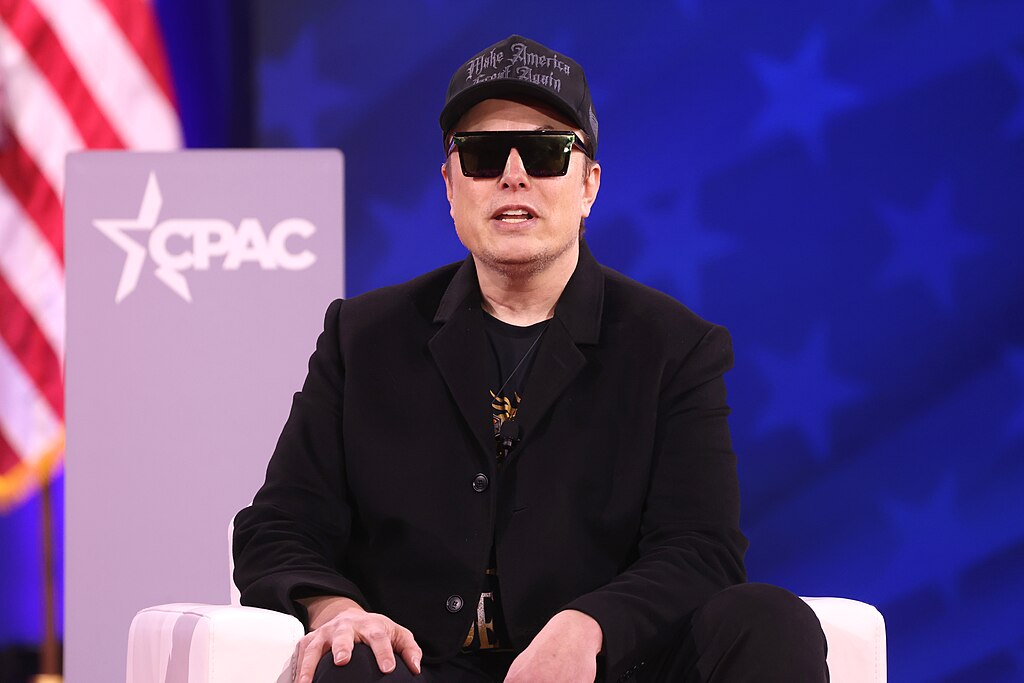
A federal judge in Oakland, California, has rejected renewed attempts by OpenAI and Microsoft to dismiss a high-profile lawsuit filed by Elon Musk, allowing the case to proceed to a jury trial starting April 27. The ruling marks a significant development in an ongoing legal battle that highlights growing tensions around artificial intelligence governance, commercialization, and corporate influence.
The lawsuit, brought by Musk, accuses OpenAI, its CEO Sam Altman, and key partners of fraud and misrepresentation. Musk, who co-founded OpenAI in 2015, claims he was misled about the organization’s long-term mission. According to the complaint, OpenAI originally positioned itself as a nonprofit entity focused on developing artificial intelligence for the public good. Musk alleges that the company later abandoned this nonprofit public-benefit purpose and transitioned into a for-profit structure that is closely aligned with Microsoft Corporation, which has invested billions of dollars into OpenAI and integrated its technology into commercial products.
OpenAI and Microsoft argued that Musk’s claims were legally insufficient and lacked factual support, urging the court to dismiss the case. However, U.S. District Judge Yvonne Gonzalez Rogers ruled that there are enough disputed facts to warrant a jury’s consideration. Her decision clears the way for a full trial, signaling that the court believes the allegations deserve closer scrutiny rather than early dismissal.
In response, OpenAI has strongly denied the allegations, describing the lawsuit as baseless and characterizing it as part of a broader pattern of harassment by a competitor. The company has stated it will vigorously defend its evolution, governance structure, and strategic partnership with Microsoft, emphasizing that its mission has adapted alongside rapid advances in artificial intelligence technology.
Musk, who has since launched rival AI company xAI, is seeking unspecified damages. The trial is expected to run through May 22, potentially lasting up to four weeks, according to court filings. Beyond its legal implications, the case underscores broader industry debates about transparency, ethical AI development, and the balance between nonprofit ideals and commercial realities in the fast-growing artificial intelligence sector.













