


 Fed Governor Lisa Cook Warns Inflation Risks Remain as Rates Stay Steady
  Gold and Silver Prices Rebound After Volatile Week Triggered by Fed Nomination
  Bank of England Expected to Hold Interest Rates at 3.75% as Inflation Remains Elevated
  China Extends Gold Buying Streak as Reserves Surge Despite Volatile Prices
  Vietnam’s Trade Surplus With US Jumps as Exports Surge and China Imports Hit Record
  U.S. Stock Futures Slide as Tech Rout Deepens on Amazon Capex Shock
  Russian Stocks End Mixed as MOEX Index Closes Flat Amid Commodity Strength
  BOJ Rate Decision in Focus as Yen Weakness and Inflation Shape Market Outlook
  RBI Holds Repo Rate at 5.25% as India’s Growth Outlook Strengthens After U.S. Trade Deal
  Thailand Inflation Remains Negative for 10th Straight Month in January
  Global Markets Slide as AI, Crypto, and Precious Metals Face Heightened Volatility
  Gold Prices Slide Below $5,000 as Strong Dollar and Central Bank Outlook Weigh on Metals
  Dollar Near Two-Week High as Stock Rout, AI Concerns and Global Events Drive Market Volatility
  Asian Stocks Slip as Tech Rout Deepens, Japan Steadies Ahead of Election


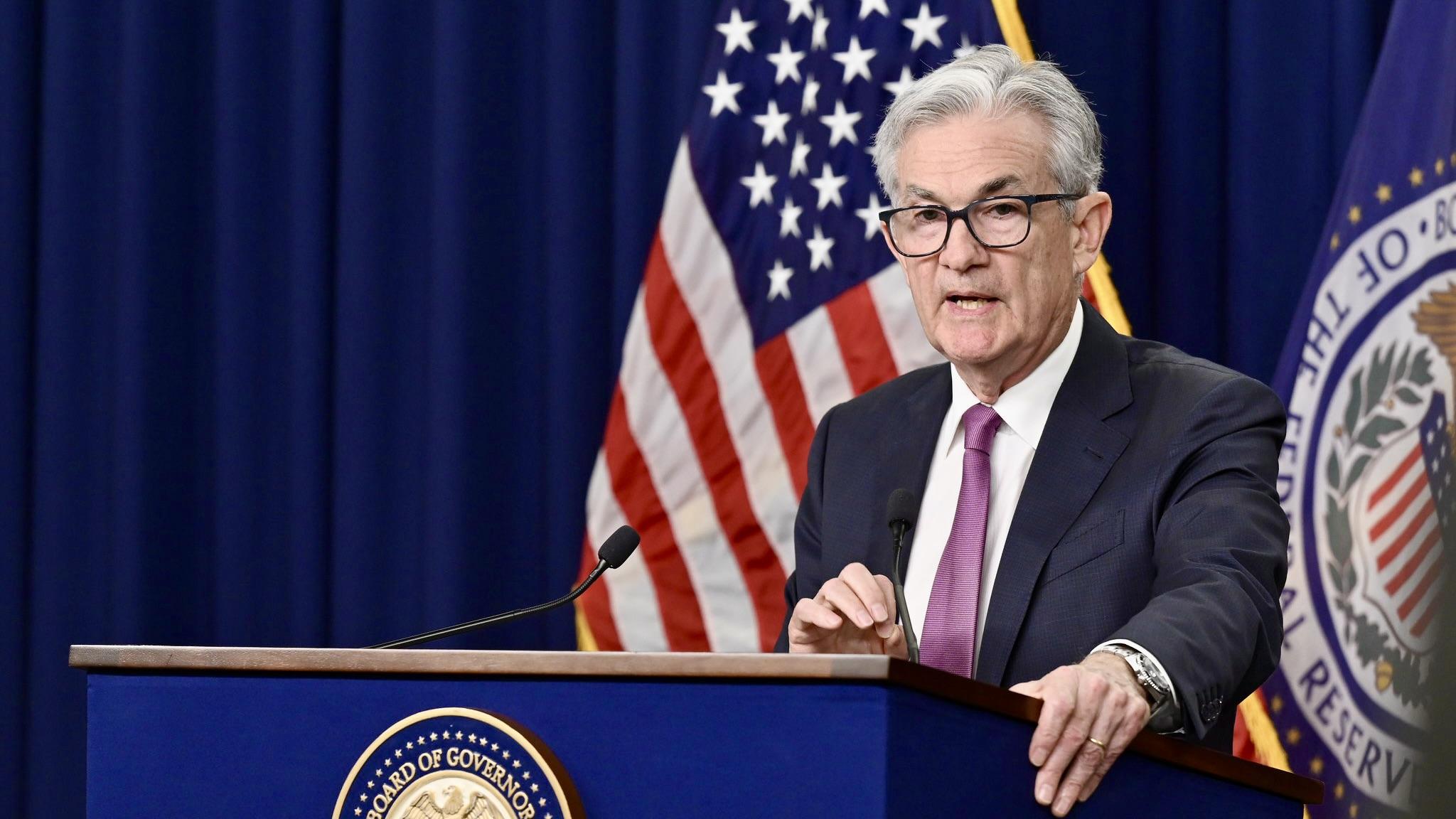
The Federal Reserve lowered interest rates for the first time since December, cutting its benchmark by a quarter point to 4.00%-4.25%. Chair Jerome Powell said the move reflects growing concerns about a weakening U.S. labor market, citing rising Black unemployment, shorter workweeks, and slower hiring. He emphasized balancing the Fed’s inflation target of 2% with its commitment to maximum employment, warning that further job losses could quickly accelerate unemployment.
Powell noted payroll growth has fallen below the break-even level needed to sustain stable joblessness. Younger and minority workers are being hit hardest by the downturn, a trend he said the Fed cannot ignore. Despite inflation projected at 3% this year, policymakers are prioritizing job security, signaling additional cuts at upcoming October and December meetings.
The rate cut was not without political drama. President Donald Trump, who has repeatedly pressured the Fed for deeper cuts, recently attempted to fire Governor Lisa Cook and succeeded in placing White House adviser Stephen Miran on the Fed board. Miran dissented, pushing for a half-point cut and forecasting steeper reductions to bring rates below 3%. However, Powell stressed independence, saying there was no broad support for such an aggressive move.
Markets reacted with initial gains before ending mixed, while Treasury yields and the dollar remained stable. Analysts see a strong chance of another cut in October. Powell reaffirmed the Fed’s meeting-by-meeting approach, leaving flexibility to adjust if inflation rises further.
Economic projections remain largely unchanged: inflation at 3%, unemployment at 4.5%, and GDP growth slightly higher at 1.6%. Despite political pressure, the Fed signaled it will keep moving toward a neutral rate path while weighing risks of both inflation and job losses.













