


 Nvidia CEO Jensen Huang Says AI Investment Boom Is Just Beginning as NVDA Shares Surge
  SpaceX Updates Starlink Privacy Policy to Allow AI Training as xAI Merger Talks and IPO Loom
  Baidu Approves $5 Billion Share Buyback and Plans First-Ever Dividend in 2026
  Palantir Stock Jumps After Strong Q4 Earnings Beat and Upbeat 2026 Revenue Forecast
  Sam Altman Reaffirms OpenAI’s Long-Term Commitment to NVIDIA Amid Chip Report
  SpaceX Reports $8 Billion Profit as IPO Plans and Starlink Growth Fuel Valuation Buzz
  Tencent Shares Slide After WeChat Restricts YuanBao AI Promotional Links
  Instagram Outage Disrupts Thousands of U.S. Users
  Elon Musk’s Empire: SpaceX, Tesla, and xAI Merger Talks Spark Investor Debate
  Oracle Plans $45–$50 Billion Funding Push in 2026 to Expand Cloud and AI Infrastructure
  Nintendo Shares Slide After Earnings Miss Raises Switch 2 Margin Concerns
  Elon Musk’s SpaceX Acquires xAI in Historic Deal Uniting Space and Artificial Intelligence
  Global PC Makers Eye Chinese Memory Chip Suppliers Amid Ongoing Supply Crunch
  Amazon Stock Rebounds After Earnings as $200B Capex Plan Sparks AI Spending Debate
  Nvidia Nears $20 Billion OpenAI Investment as AI Funding Race Intensifies


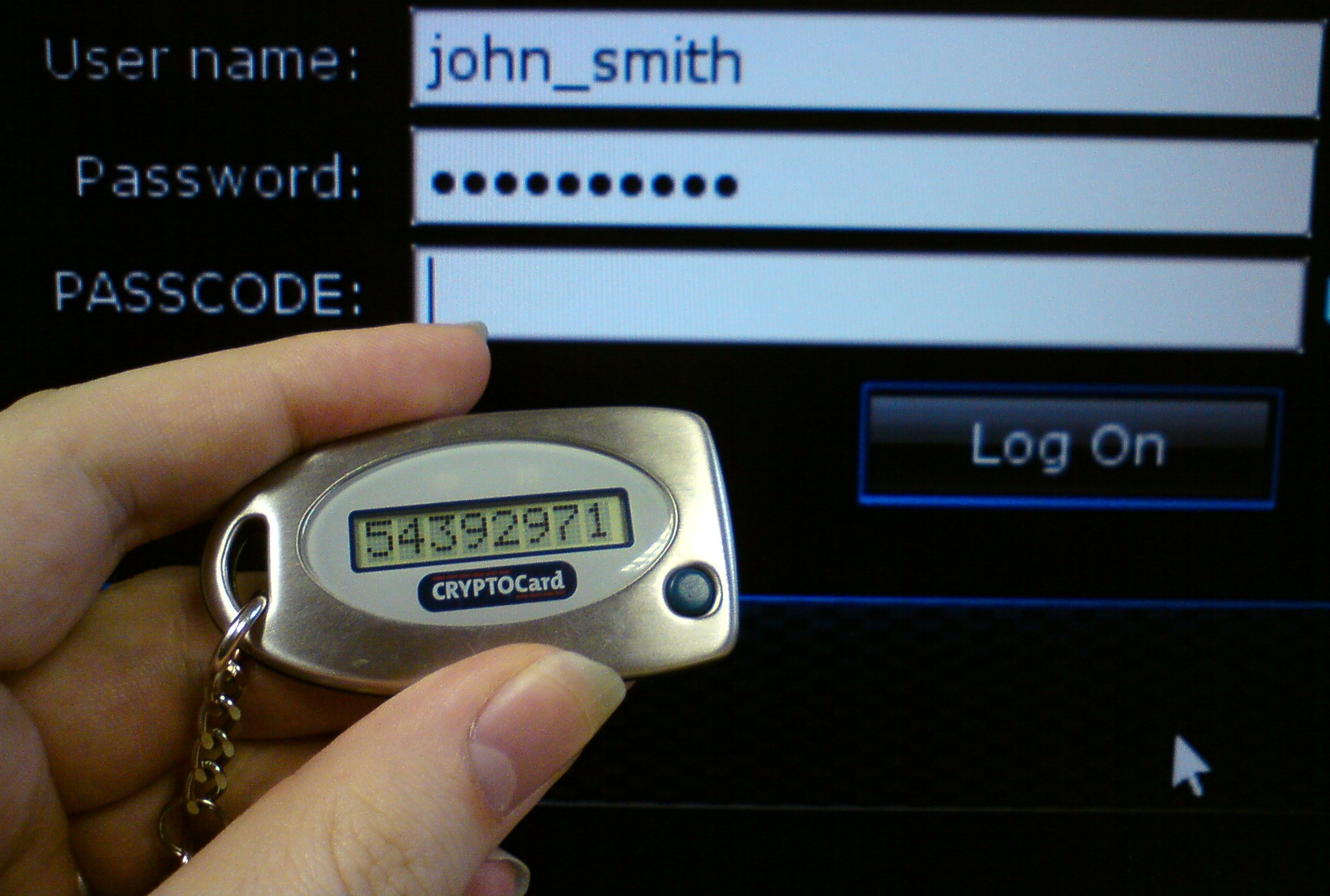
After it was hit by the backlash from users who didn’t appreciate being spammed by notifications on their phones all the time, Facebook is finally implementing change with regards to its two-factor authentication. The platform is now ready to offer alternatives to provide users with access to their accounts if they notice suspicious activities through apps or hardware tokens.
In a recent blog post, Facebook’s Scott Dickens explains that users will no longer be required to provide phone numbers in order to make use of two-factor authentication. The post also notes how the option that will become available will also be easier to implement.
“We previously required a phone number in order to set up two-factor authentication, to help prevent account lock-outs. Now that we have redesigned the feature to make the process easier to use third-party authentication apps like Google Authenticator and Duo Security on both desktop and mobile, we are no longer making the phone number mandatory,” the post reads.
“Why use two-factor authentication? Two-factor authentication is an industry best practice for providing additional account security. We continue to encourage enabling two-factor authentication to add an extra layer of protection to your Facebook account.”
The importance of two-factor authentication these days can’t be understated. Even if the password of a user falls into the wrong hands, if the account is accessed from a different device, they still won’t be able to get through unless they have the right codes.
For those who might be having trouble setting up their two-factor authentication feature, Lifehacker is providing a guide on how to do it step-by-step. This is worth taking into consideration, especially for those who might be using their accounts for more than simply social interaction. After all, social media now plays a role in things like employment and business, so it always pays to be extra careful.













