


 SpaceX Prioritizes Moon Mission Before Mars as Starship Development Accelerates
  SoftBank Shares Slide After Arm Earnings Miss Fuels Tech Stock Sell-Off
  TSMC Eyes 3nm Chip Production in Japan with $17 Billion Kumamoto Investment
  Palantir Stock Jumps After Strong Q4 Earnings Beat and Upbeat 2026 Revenue Forecast
  SpaceX Pushes for Early Stock Index Inclusion Ahead of Potential Record-Breaking IPO
  Alphabet’s Massive AI Spending Surge Signals Confidence in Google’s Growth Engine
  Sony Q3 Profit Jumps on Gaming and Image Sensors, Full-Year Outlook Raised
  Nvidia Confirms Major OpenAI Investment Amid AI Funding Race
  Tencent Shares Slide After WeChat Restricts YuanBao AI Promotional Links
  Baidu Approves $5 Billion Share Buyback and Plans First-Ever Dividend in 2026
  Instagram Outage Disrupts Thousands of U.S. Users
  Nvidia, ByteDance, and the U.S.-China AI Chip Standoff Over H200 Exports
  Nintendo Shares Slide After Earnings Miss Raises Switch 2 Margin Concerns
  SoftBank and Intel Partner to Develop Next-Generation Memory Chips for AI Data Centers
  Global PC Makers Eye Chinese Memory Chip Suppliers Amid Ongoing Supply Crunch
  AMD Shares Slide Despite Earnings Beat as Cautious Revenue Outlook Weighs on Stock


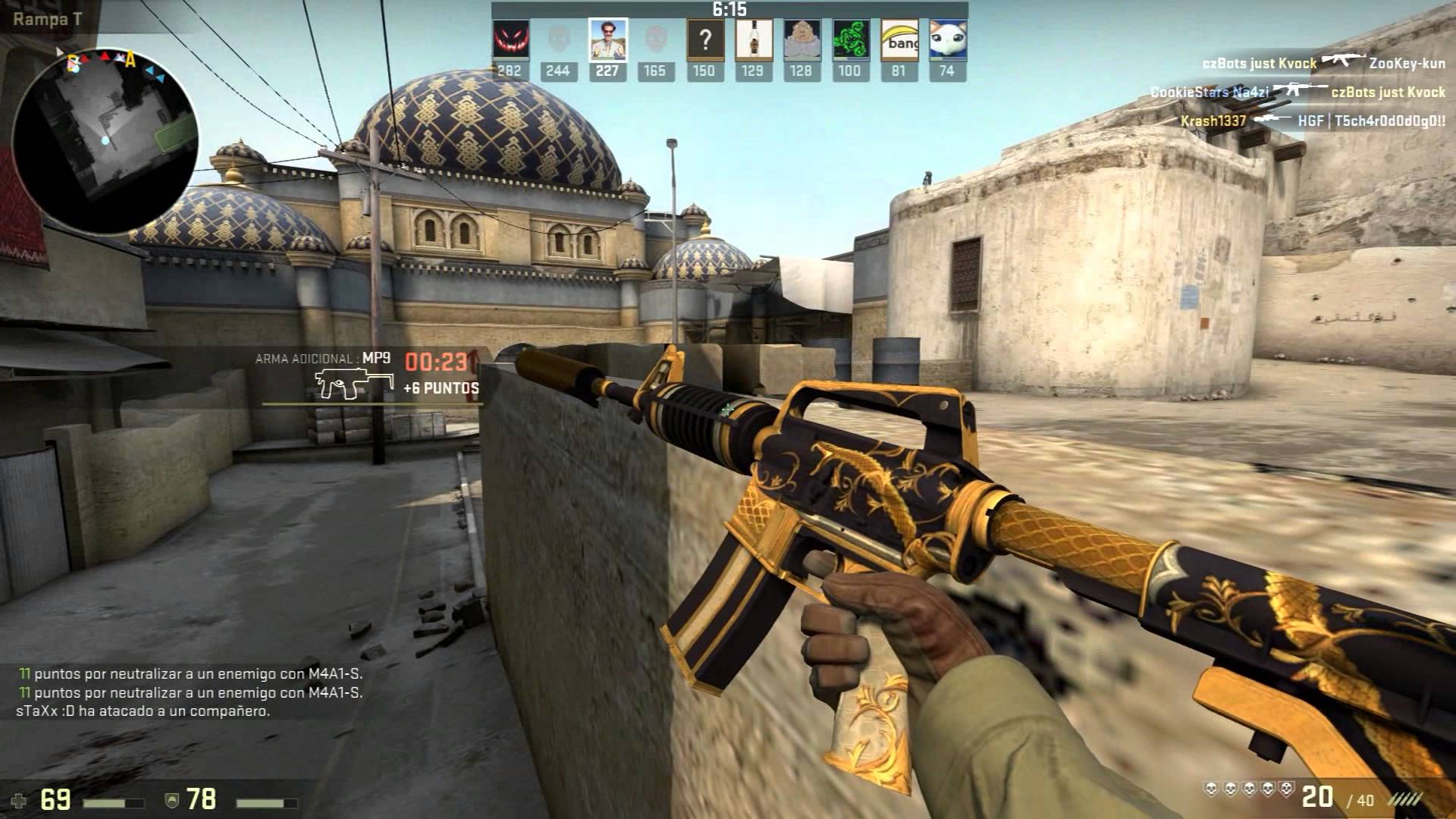
The Federal Trade Commission has gone after multi billion dollar companies for misleading people in the past but in a rare case of dealing with private individuals, the agency opted to use kid gloves. This pertains to the case involving two YouTubers who used their influence to trick children into participating in something called CSGO Lotto. However, the pair failed to mention a few crucial details, such as the fact that they owned the platform.
The offenders in question are Trevor Martin and Tom Cassell, both of whom had YouTube accounts with millions of views. They are also the founders of the CSGO Lotto site, which the two failed to disclose while promoting it to young viewers. Valve issued a cease and desist order to the YouTubers after their activities were uncovered by others on the platform, Tech Raptor reports.
As to what CSGO Lotto even is, it’s basically a gambling site where people of all ages could participate. The whole system revolved around skins in the game Counter-Strike: Global Offensive. Both Martin and Cassell produced videos of them winning thousands of dollars using the platform, making it seem as if they were nothing more than regular participants instead of owners.
Finally, the FTC got involved and conducted a probe into the case, which ended with the pair getting no real punishment. A spokesperson for the FTC in Mitchell J. Katz spoke to Rolling Stone about the issue, providing context as to why the duo did not get harsher punishments.
"The goal of the FTC isn't to be a punitive or draconian agency," Katz said. "We are here to educate consumers about new markets."
More to the point, it would seem that the pair doesn’t really have much of an incentive to not repeat the crime either. Future offenses would incur fines of only $40,000 per violation, which is a pittance compared to how much they make tricking viewers.













