


 SoftBank and Intel Partner to Develop Next-Generation Memory Chips for AI Data Centers
  SpaceX Seeks FCC Approval for Massive Solar-Powered Satellite Network to Support AI Data Centers
  Nvidia CEO Jensen Huang Says AI Investment Boom Is Just Beginning as NVDA Shares Surge
  Jensen Huang Urges Taiwan Suppliers to Boost AI Chip Production Amid Surging Demand
  Sam Altman Reaffirms OpenAI’s Long-Term Commitment to NVIDIA Amid Chip Report
  Amazon Stock Rebounds After Earnings as $200B Capex Plan Sparks AI Spending Debate
  Elon Musk’s Empire: SpaceX, Tesla, and xAI Merger Talks Spark Investor Debate
  SoftBank Shares Slide After Arm Earnings Miss Fuels Tech Stock Sell-Off
  Oracle Plans $45–$50 Billion Funding Push in 2026 to Expand Cloud and AI Infrastructure
  Instagram Outage Disrupts Thousands of U.S. Users
  Google Cloud and Liberty Global Forge Strategic AI Partnership to Transform European Telecom Services
  Nintendo Shares Slide After Earnings Miss Raises Switch 2 Margin Concerns
  SpaceX Updates Starlink Privacy Policy to Allow AI Training as xAI Merger Talks and IPO Loom
  Sony Q3 Profit Jumps on Gaming and Image Sensors, Full-Year Outlook Raised
  Baidu Approves $5 Billion Share Buyback and Plans First-Ever Dividend in 2026


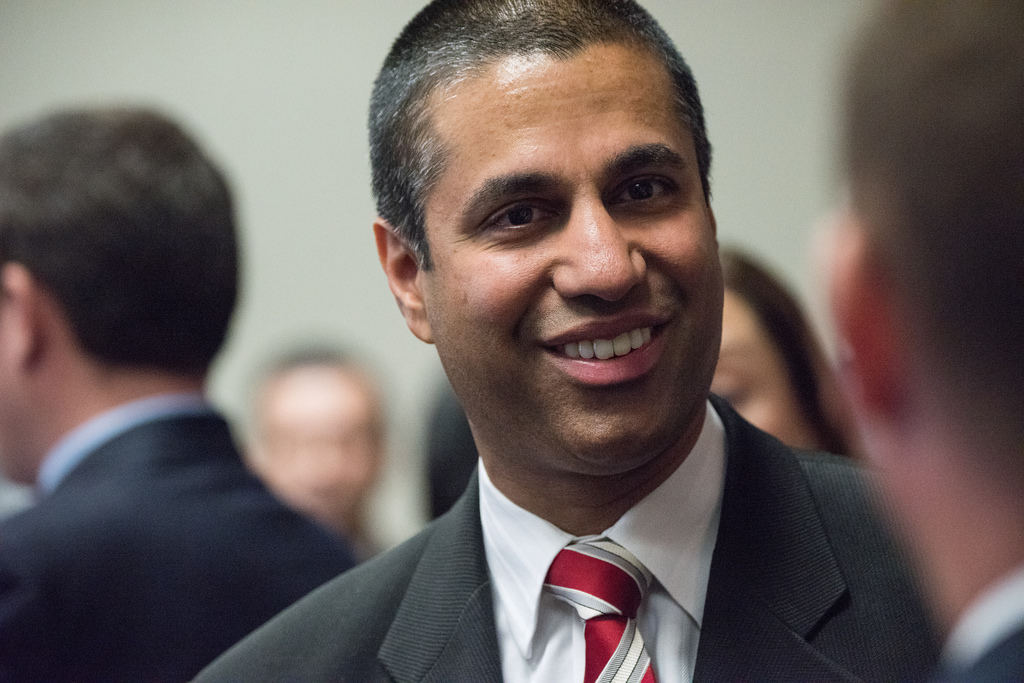
In what is largely considered an anti-consumer agenda, the Federal Communications Commission has announced that it is dismantling Net Neutrality rules. Led by FCC Chair Ajit Pai, the commission is going against the will of the American people, many of whom have expressed support for Net Neutrality. What’s more, Pai is also moving to block states from regulating internet service providers.
Despite millions of emails sent to the FCC and even more comments left on its website by American consumers, it would seem that the Pai and the Conservative-dominated government agency have already made up their minds. On Tuesday, the commission announced that Net Neutrality regulations would be dismantled, which will hand ISPs a huge win, the New York Times reports.
The FCC will be following the proposal that Pai himself has put forward, which essentially gets rid of all the rules imposed during the Obama era. This development sparked outrage from the tech industry, with giants like Google and Amazon now fighting hard against carriers like AT&T and Comcast. In a statement, Pai said that his proposal is intended to stop the government from interfering with ISPs.
“Under my proposal, the federal government will stop micromanaging the internet,” Pai said. “Instead, the F.C.C. would simply require internet service providers to be transparent about their practices so that consumers can buy the service plan that’s best for them and entrepreneurs and other small businesses can have the technical information they need to innovate.”
What would really cement this move as a victory for ISPs, however, is the fact that Pai wants to prevent states from conducting their own regulations. This would provide carriers with the ability to unilaterally nickel and dime consumers across the country. Proponents of Net Neutrality are questioning whether the FCC actually has this kind of authority, as well, Politico reports.
Under the new FCC proposal, ISPs would be free to throttle internet speeds to any destination they want. It would effectively limit freedom on the internet and could even have potentially devastating consequences on American Free Speech.













