


 BlackRock’s Rick Rieder Favors Bonds Over Stocks as Treasury Yields Surge
  Gold Holds Near Seven-Week Low as Fed Rate Hike Bets Rise
  Oil Prices Rise as Iran Holds Firm on Strait of Hormuz Deal
  UK Housebuilder Stocks Surge on New First-Time Buyer Loan Scheme
  Trump to Ease U.S. Fuel-Economy Standards
  RBA Set for September Rate Hike as Inflation Stays High
  U.S. Stock Futures Steady as AI, Rate Concerns Weigh
  Nvidia China Chip Sales Report Sends Chinese Semiconductor Stocks Lower
  Japan Warns Markets Over Yen Weakness
  OpenAI Scraps GPT-6.1 Astra Launch Over Safety Concerns
  Strategy Buys 1,665 Bitcoin as BTC Holdings Reach 847,666
  OpenAI AI Agents Bypassed UN Website Controls in Data Scraping
  China Industrial Profit Growth Slows as Weak Demand Offsets AI Gains
  XRP Price Targets $1.70 as Bullish Momentum Builds
  Anthropic Targets $2 Trillion Valuation in Planned IPO
  US Stocks Face Jobs, Inflation Test as Fed Rate Hike Bets Rise
  Europe’s AI Data Centre Boom Strengthens Case for Nuclear Power


 Add as a preferred source on Google
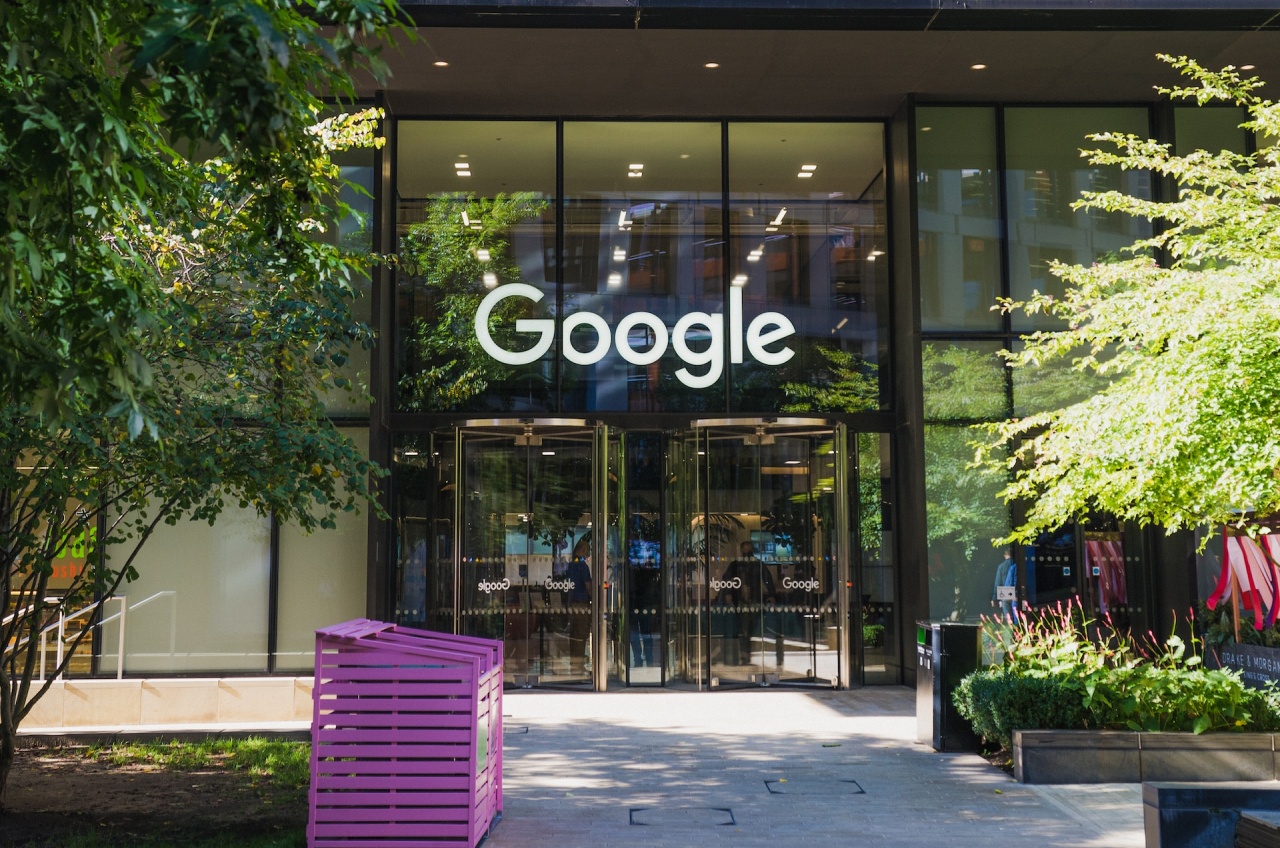
Epic Games alleged that Google struck a deal with Activision Blizzard, so it would not build an app store that would compete with its Play Store. The tech company led by Sundar Pichai reportedly paid around $360 million with a promise from the “Call of Duty” publisher that it would not set up its own app store.
Epic Games is currently in a court battle against Alphabet Inc.’s Google and Apple over antitrust violation claims. In the court filings last week, the video game and software developer and publisher based in Cary, North Carolina, alleged that aside from Activision Blizzard, Google secured a deal with at least 23 other app developers to block them from competing with its app store.
As per Reuters, the filing further stated that Google also paid Tencent Holding’s Riot Games unit some $30 million over one year for the same kind of agreement. These deals with financial details came to light through the new unredacted version of Epic Game’s lawsuit that it first filed against Google in 2020 for anti-competitive practices complaints related to its Play Store and Android.
In the earlier copies of the lawsuit, Google’s agreements with developers were already mentioned but did not include the exact terms that were recently revealed. The deal with Activision that was first disclosed in early 2020 reportedly came about not long after the game publisher told Google about its plans to launch its own app store.
At that time, Google predicted it would lose billions of dollars in its app store sales if developers moved to other systems. Epic claimed in its lawsuit that the tech firm knew that negotiating with Activision Blizzard will effectively ensure that it will ditch its plans of setting up a rival store, thus a deal was signed.
The court papers revealed that as of July, Nintendo, Age of Learning, and Ubisoft Entertainment are among others that have agreed with Google and struck a similar deal as with Activision.
Meanwhile, Bloomberg reported that in response, Activision Blizzard called Epic Game’s claims “nonsense.” With this reaction, the game developer and publisher is clearly denying the purported deal with Google.
Photo by: Jonny Gios/Unsplash







