


 JPMorgan Cuts Gold Price Forecast, Sees Bullion Reaching $4,500 by End of 2026
  Goldman AM Sees Strong Buyout Opportunities in Japan, South Korea and Australia
  Goldman Sachs Flags 3 Key Risks Ahead of Europe’s Earnings Season
  Vietnam’s population hit the 100 million milestone. Where’s it headed?
  USA at 250: the Black American struggle for life, liberty and the pursuit of happiness
  Gold Surges Past $4150 on Dovish Fed Signals and Weak Jobs Data; Bullish Outlook Prevails
  Citi Raises TSMC Price Target as AI Chip Demand Strengthens Growth Outlook
  Bernstein Names IAG, Ryanair as Top European Airline Stocks Ahead of Earnings
  Goldman Sachs Raises USD/JPY Forecast, Sees Yen Weakness Persist Through 2027
  Trump has made more than $1 billion from crypto in a year. How?


- Emerging markets faced a miniature currency crisis at the first hint of tightening in the US in 2013 by then Federal Reserve (FED) chairman Ben Bernanke.
- Most hit were India, Turkey, South Africa & Indonesia where in India currency depreciation was close to 30%.
- Since then the FED has taken a patient approach and the emerging markets enabled reforms and prepared for the inevitable tightening of policy.
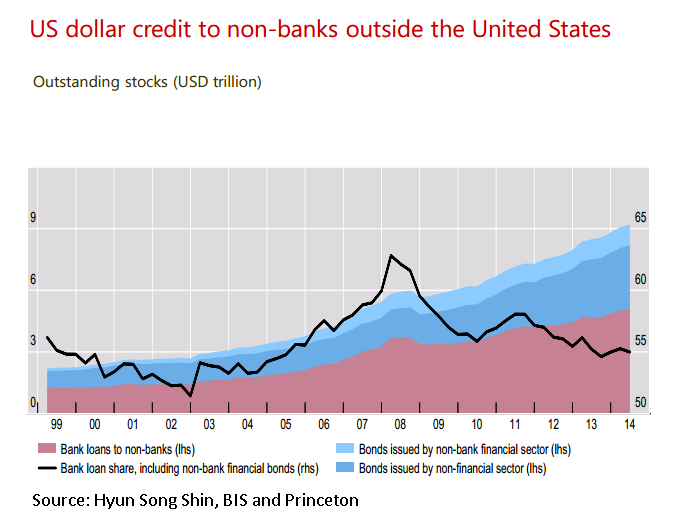
- Nevertheless a severe loophole remains, that is the corporate sector. During the financial crisis as the interest rate fell to record low, the corporates have gobbled up foreign loans especially in US dollar.
- The Governments even if have sufficient reserve, will be less willing to cover up for the corporates if the loans get sour as interest cost rises.
- Recent BIS study shows that such dollar loans are close to $ 65 trillion in value.
- This trend is seen, since the value of dollar fell after 1999, but recently it has broken its long term bearish trend that was in play since 2001.
So far, since the mid 2014 emerging currencies have fared well compared to developed markets, against the dollar but the party could get sour once the rate start rising.







