


 US Comfortable With Canada Trade Standoff as Import Bans Loom
  US Supreme Court Revives Trump Administration Voter Citizenship Database
  Najib Razak Seeks Stay of 15-Year 1MDB Prison Sentence
  Trump to Ease U.S. Fuel-Economy Standards
  Ukrainian Drone Attacks Hit Russian Regions, Injuring at Least 12
  Saudi Arabia, Turkey and Pakistan Plan Urgent Defence Talks Over Houthi Attacks
  Republicans Flood Safe House Races With Cash as Midterm Risks Rise
  Pope Leo Backs Press Freedom After White House Media Ban
  Pope Leo Warns UN, Multilateral Groups Face Crisis
  EU Agrees €6.6 Billion Military Aid Funding for Ukraine
  Trump Warns China Against Supporting Iran in Xi Talks
  Taiwan Says U.S. Arms Sales Protect Chip Supply
  What ‘Taiwan Independence’ Means as Xi Presses Trump on US Policy
  Evan Gershkovich Says FSB Set Trap for 2023 Russia Arrest
  China Agrees to Buy 20 Million Tons of U.S. Coal
  UK PM Burnham Signals Social Care Tax Changes, Questions Heathrow Expansion
  Iran Says Diplomacy Only Path to End U.S.-Israel Conflict


 Add as a preferred source on Google
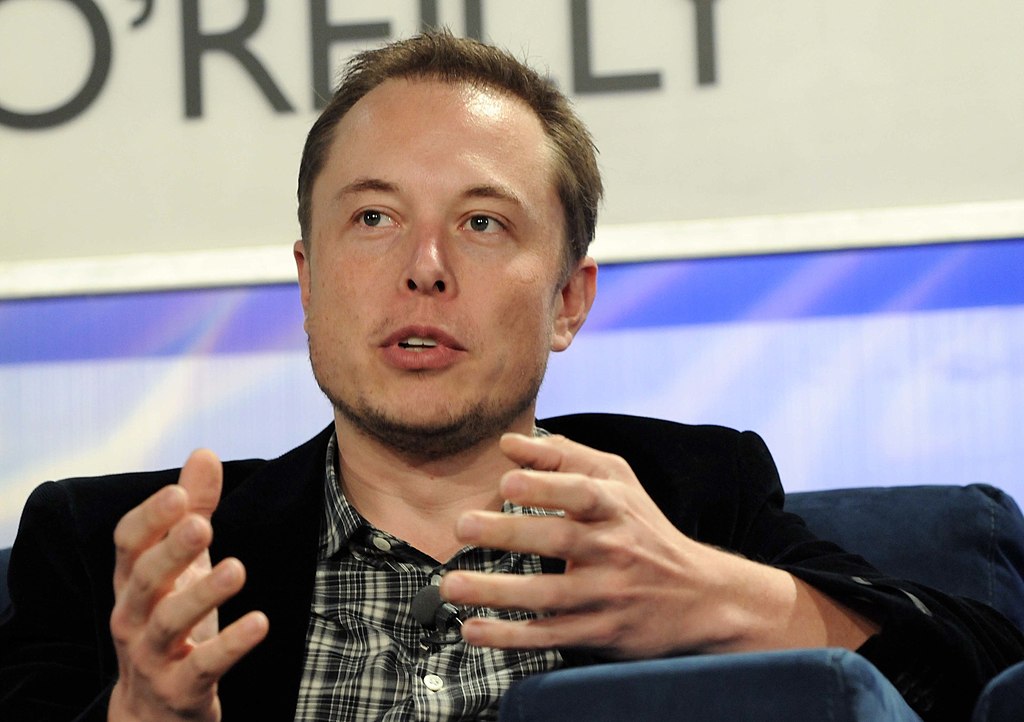
In a stunning revelation, billionaire entrepreneur Elon Musk has publicly declared his intention to cut nearly 80% of the federal government if given the opportunity to collaborate with former President Donald Trump. This explosive statement has sent shockwaves through political and tech circles, sparking intense debate over the feasibility and potential consequences of such a drastic move.
A Radical Vision for a ‘Slimmed-Down Government’
Speaking candidly during a tech conference, Musk outlined his vision for a dramatically smaller federal government. “I believe the federal government is too large and inefficient. We need to cut down nearly 80% of it to make it more agile, responsive, and transparent,” Musk stated. He argued that a smaller government would enable faster innovation, reduce bureaucracy, and free up resources for private sector growth.
The Musk-Trump Connection: A Potential Alliance?
Musk’s comments didn’t stop at criticizing the size of the federal government. He also hinted at a possible partnership with Donald Trump, should the former president regain power. “If I were to work with Trump on this, we could make government leaner, smarter, and more efficient,” Musk added, fueling speculation about a potential political alliance.
Trump, known for his own efforts to shrink government programs during his presidency, has long been an advocate for deregulation and cutting federal bureaucracy. While Trump has yet to comment on Musk’s proposal, their shared views on reducing government intervention could potentially lead to collaboration in the future.
Controversy Erupts: Critics Warn of Dangerous Consequences
Musk’s radical proposal has drawn sharp criticism from many political leaders and experts. Critics argue that cutting 80% of the federal government could lead to the dismantling of essential services like Social Security, healthcare, national defense, and infrastructure development. “This kind of extreme downsizing would cause chaos,” said one analyst. “It’s not just about efficiency—it’s about maintaining a functioning society.”
Additionally, several political figures expressed alarm at Musk’s willingness to work with Trump, considering the controversial nature of Trump’s presidency and his ongoing legal challenges. “Teaming up with Trump on a plan like this is reckless,” one Democratic lawmaker commented. “It’s an attempt to tear down the very foundations of our government.”
The Billionaire’s History of Government Criticism
Musk’s frustration with government bureaucracy is nothing new. The Tesla and SpaceX CEO has frequently criticized federal regulations, especially those impacting technology and innovation. His companies have often clashed with government agencies over issues ranging from environmental regulations to space exploration protocols.
Despite this, Musk’s companies have also benefited from government contracts, particularly SpaceX, which has secured multi-billion-dollar deals with NASA. This paradox hasn’t gone unnoticed, with some accusing Musk of hypocrisy for railing against a system that has also helped propel his success.
What Would a ‘Smaller Government’ Look Like?
While Musk’s vision is ambitious, many questions remain. How would the U.S. function with such a significantly reduced federal workforce? Which agencies would be eliminated or merged? And how would the country balance economic growth with the provision of essential public services?
For now, Musk’s comments remain speculative, but his statements have ignited a new conversation about the size and scope of the federal government—one that is sure to continue as the 2024 election approaches.







