


 Polymarket Traders Bet on Trump AI Rename to ‘Super Intelligence’
  Bitcoin Slides Toward $83K as Treasury Yields Hit 2007 High
  Cboe Extends SPX Options Deal, Eyes Tokenized Contracts
  Australia Tightens Student Visa Rules, Targets Migration Cut by 2028
  Congress Expands Prediction Market Insider Trading Probe
  Bitget Resumes Crypto Withdrawals After $388M Security Breach
  US Northeast Airports Resume Operations After Telecom Outage Disrupts Thousands of Flights
  Trump Administration Plans Faster FDA Reviews for Smoke-Free Nicotine Products
  South Africa Seeks US Talks Despite Visa Restrictions
  FxWirePro- Major Crypto levels and bias summary
  Bitwise Launches NEAR ETF as $562 Bull Case Fuels AI Crypto Buzz
  Canada Unveils Bill to Fast-Track Major Resource Projects
  FCC Approves Foreign Investment in $110B Paramount-Warner Bros. Deal


 Add as a preferred source on Google
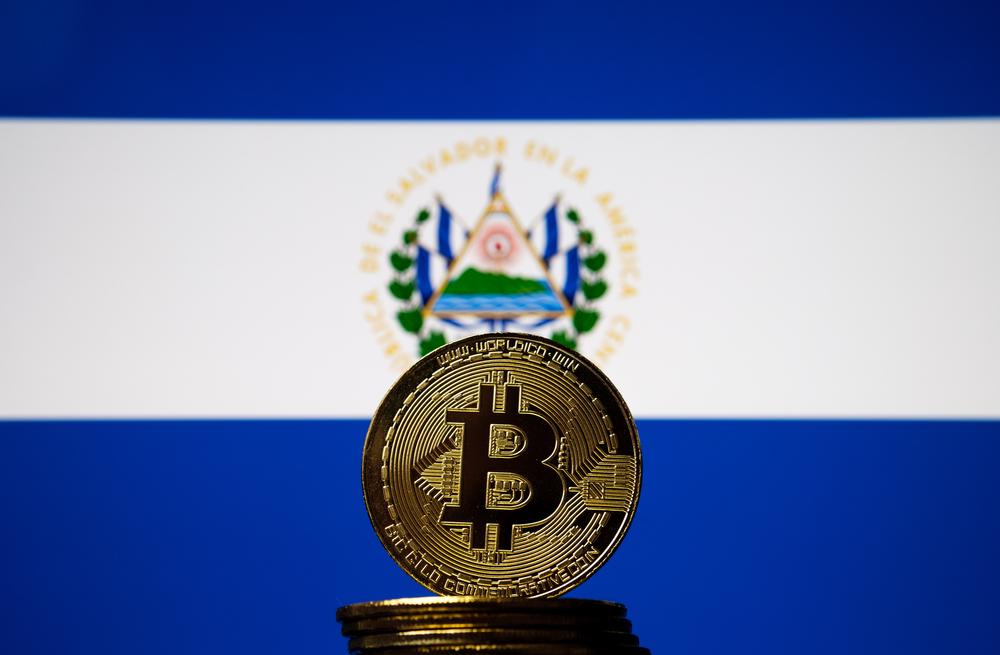
El Salvador is backing a new government app that allows citizens to hold and transfer digital dollars using stablecoins, marking a shift in the country’s crypto payments strategy five years after President Nayib Bukele made Bitcoin legal tender.
The app, called Sivar, was developed by Palo Alto-based startup Modveon and operates on Base, Coinbase’s blockchain network. Users verify their identity with a government-issued ID before gaining access to payments, community posts, live polls and other services.
Sivar also targets El Salvador’s massive remittance market. Salvadorans in the US can reportedly send money home for a flat $2 fee, including the transfer and off-ramp costs. The country received nearly $10 billion in remittances in 2025, with about 92% originating from the US.
Modveon CEO Nana Murugesan said El Salvador is the company's first nationwide deployment. The startup secured a five-year government contract worth a multimillion-dollar amount that has not been disclosed.
The move toward stablecoins follows limited adoption of Bitcoin for everyday transactions. A 2024 University of Central America survey found that about 92% of Salvadorans did not use Bitcoin for transactions. The IMF also reported that only around 1.75% of remittances were transferred through crypto wallets.
El Salvador scaled back its Bitcoin experiment in 2025 as part of reforms connected to a $1.4 billion IMF loan. The changes ended Bitcoin's mandatory acceptance and reduced the government's involvement with Chivo, its state-backed crypto wallet.
However, the stablecoin push does not necessarily mean Bukele is abandoning Bitcoin. Murugesan told Bloomberg that El Salvador continues to view BTC as a treasury asset and store of value while favoring stablecoins for faster and cheaper money transfers.
Stablecoin payments may still face questions over costs. A Bank of Italy study found that stablecoin remittances were not always cheaper than traditional banking channels, with total costs reaching as high as 9%.
The strategy could also become a political issue as El Salvador approaches its 2027 election, with Bukele's opponents challenging his broader Bitcoin policies.







