


 Adidas, Puma Shares Fall as Dick’s Sporting Goods Cuts Outlook
  Qatar LNG Exports Plunge 96% as U.S.-Iran War Disrupts Gulf Energy Trade
  Heritage, desire and diplomacy: why China still values scotch whisky
  Australia’s Big Four Banks Face Mortgage Slowdown as Valuations Draw Scrutiny
  Asian Currencies Slip as Dollar Rebounds on Iran Sanctions
  6 simple questions to tell if a ‘finfluencer’ is more flash than cash
  US-Canada Tariff War Escalates With 50% Auto Duties
  HP Stock Drops 9% Despite Q3 Earnings Beat and Raised 2026 Outlook
  Gold Prices Fall as Stronger Dollar, Fed Rate Outlook Weigh
  Oil Prices Slide on U.S.-Iran Ceasefire Reports, Hormuz Talks
  U.S. Unleashes New Iran Sanctions, Targets Oil, Crypto and Trade Networks
  Bathla Group Hires Administrators as Australia Housing Slump Deepens
  Yindjibarndi Appeals Fortescue Mining Compensation Ruling


 Add as a preferred source on Google
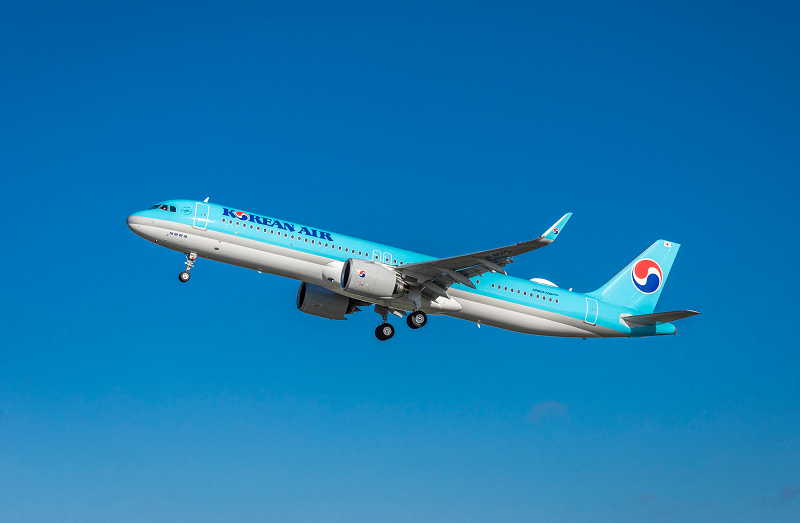
The $1.37 billion merger of South Korea's leading air carriers, Korean Air and Asiana Airlines, faces another delay as European antitrust authorities temporarily halt their investigation amid competition concerns.
In an effort to address the antitrust concerns raised by the European Commission (EC), Korean Air has requested an extension for the deadline to make a final decision on the merger with its smaller rival, Asiana Airlines. Korean Air is committed to developing measures that alleviate these concerns and aims to conclude discussions within the new timeframe.
This is the second time European authorities have postponed their decision on the Korean Air-Asiana deal since the initiation of their thorough investigation in February. Industry insiders suggest that Korean Air has been granted an additional two-month grace period.
In November 2020, Korean Air unveiled its bid to acquire the financially struggling Asiana Airlines, presenting an opportunity to become the largest airline in Northeast Asia. Following the announcement, the company submitted documents to gain antitrust approval from 14 countries.
Thus far, 11 countries have given their consent to the deal, while pending decisions remain in the US, Europe, and Japan.
The preliminary report issued by European regulators in May expressed concerns over potential antitrust issues, emphasizing the potential dominance of the merged unit in passenger and cargo flights between Korea and European cities such as Paris, Frankfurt, Rome, and Barcelona.
Despite these hurdles, experts hold an optimistic outlook, suggesting that the deal stands a chance of ultimately receiving approval. Hwang Yong-sik, a professor at Sejong University's School of Business & Economics and the head of the Civil Aviation Business Research Institute, believes that if Korean Air continues its efforts to meet the EC's demands, conditional approval is achievable.
Throughout this process, Korean Air has remained resolute in its commitment to completing the merger. This acquisition gained significant attention as it was the first major deal announced amidst the COVID-19 pandemic, at a time when the entire aviation industry was grappling with numerous uncertainties.
Upon completion of the planned merger, Korean Air, currently the 18th-largest airline by fleet, is projected to ascend to the 10th position globally, with an estimated business synergy valued between 300 billion to 400 billion won.
By enhancing the structure and incorporating more engaging elements, the revised text seeks to provide a clearer and more fascinating account of the ongoing merger process.
Photo: Korean Air Newsroom







