


 Trump, Xi Focus on Trade and AI at White House Summit
  Pope Leo Backs Press Freedom After White House Media Ban
  France Defends Netanyahu Airspace Clearance Despite ICC Warrant
  Saudi Arabia, Turkey and Pakistan Plan Urgent Defence Talks Over Houthi Attacks
  Pope Leo Warns UN, Multilateral Groups Face Crisis
  Ukrainian Drone Attacks Hit Russian Regions, Injuring at Least 12
  EU Agrees €6.6 Billion Military Aid Funding for Ukraine
  US Backs Musk in Fight Against EU’s €120 Million X Fine
  Trump Warns China Against Supporting Iran in Xi Talks
  Netanyahu Defends Israel at UN as Delegates Stage Walkout
  US Supreme Court Revives Trump Administration Voter Citizenship Database
  Iran Rejects Nuclear Concessions in Hormuz Deal
  Netanyahu’s Brief US Trip Highlights Strains With Trump
  Evan Gershkovich Says FSB Set Trap for 2023 Russia Arrest
  North Korea Rejects Nuclear Test Warning, Calls Nuclear Status Irreversible
  Xi Calls for Deeper U.S.-China AI Cooperation in Trump Talks


 Add as a preferred source on Google
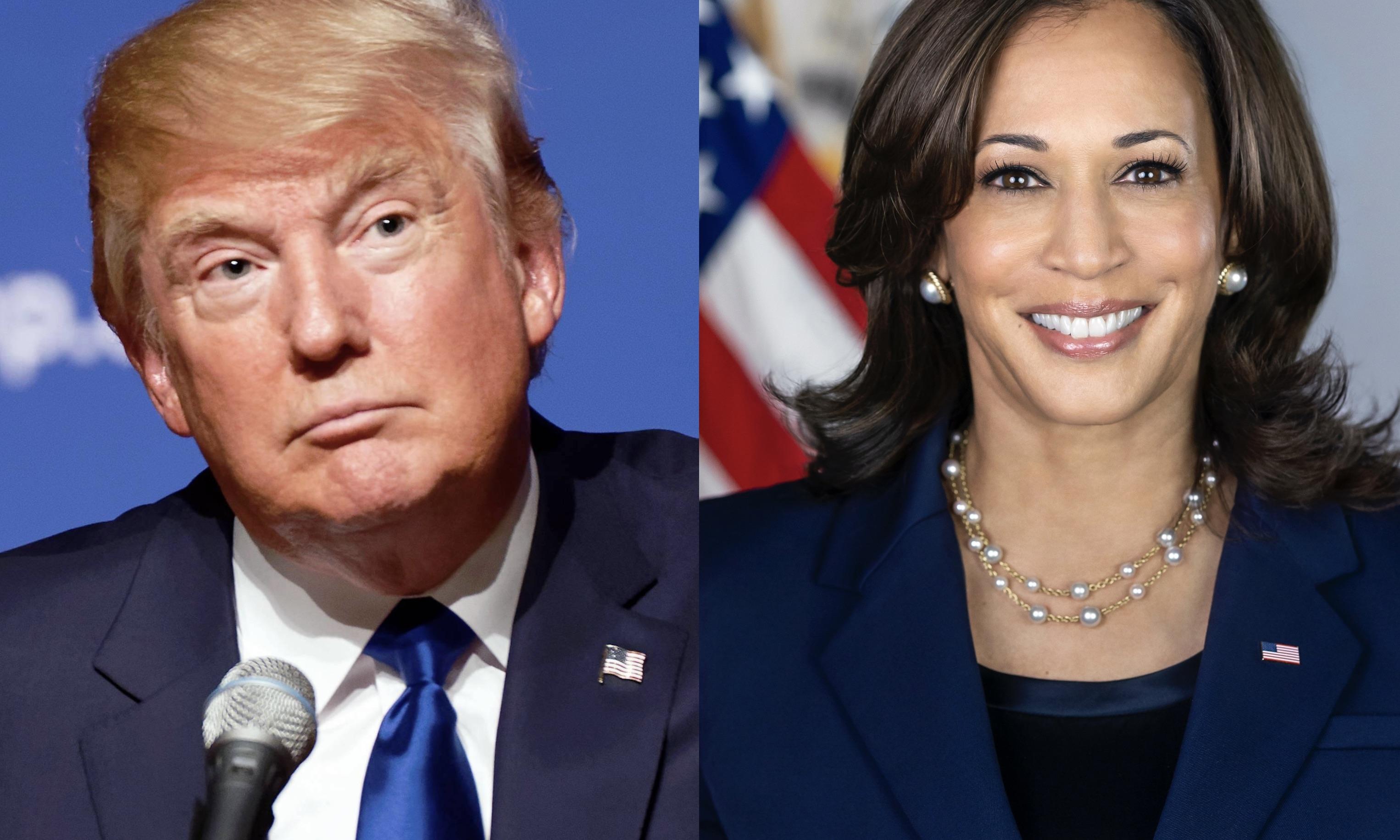
As the 2024 U.S. presidential election draws nearer, speculation is growing about the foreign policy approaches of Donald Trump and Kamala Harris, particularly regarding their potential to lead the nation into a global conflict. With rising geopolitical tensions across the world, including threats from Russia, China, and volatile regions in the Middle East, many voters are questioning which candidate might be more likely to escalate these tensions into a full-scale war—commonly referred to as "World War 3."
Donald Trump, known for his "America First" approach during his presidency, positioned himself as a leader focused on reducing U.S. military involvement abroad, including the controversial withdrawal of troops from Afghanistan and scaling back engagements in the Middle East. Trump's emphasis on diplomacy with nations like North Korea and Russia, along with his criticism of NATO, suggests that he is less inclined to pursue aggressive military actions. However, critics point out his unpredictable nature, highlighting instances where his inflammatory rhetoric raised concerns about escalating international disputes.
Kamala Harris, on the other hand, has built her political profile within the Biden administration, which has taken a more conventional approach to international alliances and military strategy. As vice president, Harris has consistently supported policies that reinforce NATO and strengthen military alliances. Critics argue that this commitment to traditional U.S. global leadership could potentially entangle her administration in international conflicts, particularly as tensions with Russia over Ukraine and China over Taiwan remain high.
While both candidates present distinct foreign policy visions, the question of who is more likely to lead the U.S. into a global conflict remains speculative. Harris’s record suggests a more interventionist approach, in line with Democratic leadership’s historic positions on maintaining U.S. military presence globally. Trump’s record, meanwhile, is marked by a preference for withdrawing from conflict zones and focusing on domestic priorities, although his confrontational style in diplomatic settings sometimes raised concerns about potential escalations.
Supporters of Trump argue that his approach to foreign policy during his first term prevented the U.S. from becoming entangled in new wars and kept adversaries in check through strategic diplomacy. His administration, they claim, kept the U.S. out of protracted conflicts that could have risked a global crisis. Harris's critics argue that her commitment to alliances like NATO could push the U.S. toward greater involvement in foreign conflicts, particularly in Europe or Asia, where rising tensions with Russia and China persist.
However, it is important to note that these are speculative scenarios based on each candidate’s past policies and political rhetoric. The future of U.S. foreign policy will depend on a wide array of factors, including the international landscape, economic considerations, and domestic priorities. As of now, ECONOTIMES cannot independently verify claims regarding either candidate’s likelihood of leading the nation into a global conflict.
As the 2024 election season unfolds, foreign policy will remain a critical issue, with voters weighing the risks and benefits of each candidate's approach to global diplomacy and military engagement. Both Trump and Harris face scrutiny over how they will navigate these complex geopolitical challenges, but the potential for either to lead the U.S. into a global war remains a topic of debate.
ECONOTIMES has reached out to representatives for both Donald Trump and Kamala Harris for comment, but no responses have been received as of this publication.







