


 Nvidia, ByteDance, and the U.S.-China AI Chip Standoff Over H200 Exports
  Prudential Financial Reports Higher Q4 Profit on Strong Underwriting and Investment Gains
  Nvidia CEO Jensen Huang Says AI Investment Boom Is Just Beginning as NVDA Shares Surge
  Once Upon a Farm Raises Nearly $198 Million in IPO, Valued at Over $724 Million
  OpenAI Expands Enterprise AI Strategy With Major Hiring Push Ahead of New Business Offering
  Tencent Shares Slide After WeChat Restricts YuanBao AI Promotional Links
  Nasdaq Proposes Fast-Track Rule to Accelerate Index Inclusion for Major New Listings
  SoftBank Shares Slide After Arm Earnings Miss Fuels Tech Stock Sell-Off
  SpaceX Reports $8 Billion Profit as IPO Plans and Starlink Growth Fuel Valuation Buzz
  SpaceX Updates Starlink Privacy Policy to Allow AI Training as xAI Merger Talks and IPO Loom
  Elon Musk’s SpaceX Acquires xAI in Historic Deal Uniting Space and Artificial Intelligence
  Baidu Approves $5 Billion Share Buyback and Plans First-Ever Dividend in 2026
  Palantir Stock Jumps After Strong Q4 Earnings Beat and Upbeat 2026 Revenue Forecast
  Rio Tinto Shares Hit Record High After Ending Glencore Merger Talks
  Ford and Geely Explore Strategic Manufacturing Partnership in Europe
  Instagram Outage Disrupts Thousands of U.S. Users


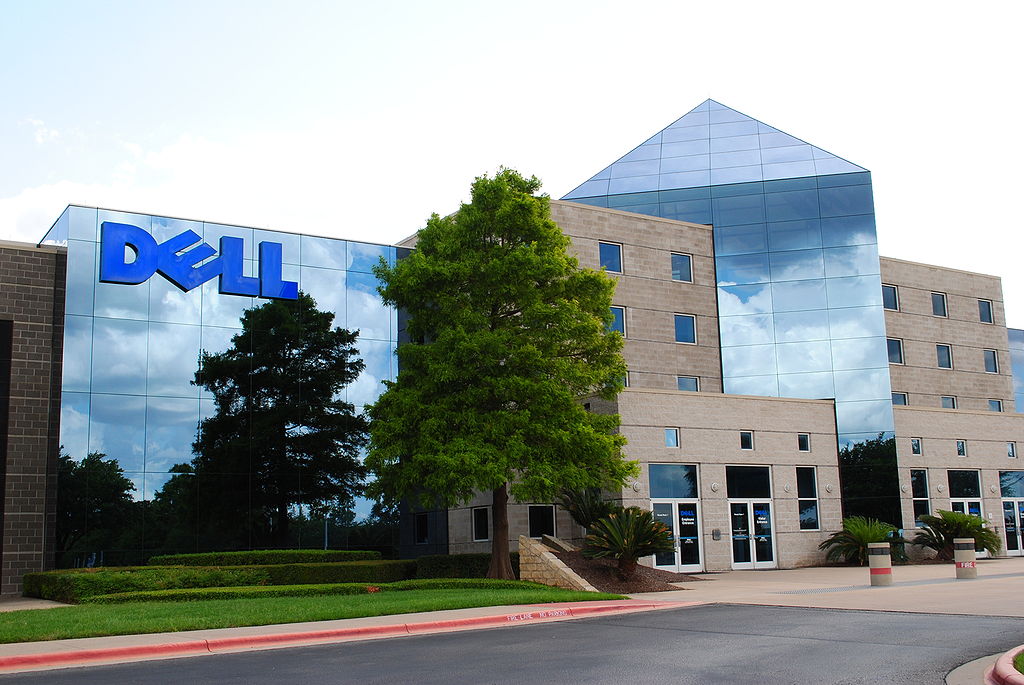
Dell has officially revived its popular XPS laptop lineup, marking a strategic reversal just a year after retiring the premium brand. The move comes as the company seeks to stimulate demand in a sluggish global personal computer market and strengthen its position in the high-end laptop segment.
At the Consumer Electronics Show (CES) in Las Vegas, Dell unveiled the XPS 14 and XPS 16, describing them as the thinnest laptops the company has ever produced. Dell also confirmed plans to introduce an even lighter XPS 13 later this year, signaling a renewed long-term commitment to the XPS brand.
The decision follows what Dell described as “very broad” feedback from partners and customers. Dell Chief Operating Officer Jeff Clarke openly acknowledged the misstep, stating that the company failed to listen when it moved away from the XPS branding. Originally launched in the 1990s, XPS played a crucial role in helping Dell expand beyond enterprise customers and establish a strong presence in the consumer and premium laptop markets.
Last year, Dell shifted to simplified naming conventions such as “Dell,” “Dell Pro,” and “Dell Pro Max,” but the company has now reintroduced XPS for premium consumer laptops while keeping Alienware focused on high-performance gaming systems. Mainstream and entry-level devices will continue under the Dell brand.
The new XPS 14 and XPS 16 laptops will initially be available in limited configurations in the U.S. and Canada, starting at $2,049.99 and $2,199.99, respectively. Both models feature Intel Core Ultra Series 3 processors with integrated Arc graphics. According to Dell, these chips deliver significantly improved AI performance—up to 57% faster on the XPS 14 and 78% faster on the XPS 16—along with more than 50% better graphics performance compared to previous generations.
Despite growing interest in AI-powered PCs, Dell acknowledged that artificial intelligence has not yet driven the level of consumer demand it anticipated. The company also offered limited insight into how it plans to manage rising memory costs, which analysts warn could push laptop prices higher across the industry.













