


 Global PC Makers Eye Chinese Memory Chip Suppliers Amid Ongoing Supply Crunch
  Elon Musk’s Empire: SpaceX, Tesla, and xAI Merger Talks Spark Investor Debate
  SoftBank Shares Slide After Arm Earnings Miss Fuels Tech Stock Sell-Off
  Baidu Approves $5 Billion Share Buyback and Plans First-Ever Dividend in 2026
  Elon Musk’s SpaceX Acquires xAI in Historic Deal Uniting Space and Artificial Intelligence
  Tencent Shares Slide After WeChat Restricts YuanBao AI Promotional Links
  Anthropic Eyes $350 Billion Valuation as AI Funding and Share Sale Accelerate
  SpaceX Updates Starlink Privacy Policy to Allow AI Training as xAI Merger Talks and IPO Loom
  Nintendo Shares Slide After Earnings Miss Raises Switch 2 Margin Concerns
  AMD Shares Slide Despite Earnings Beat as Cautious Revenue Outlook Weighs on Stock
  Google Cloud and Liberty Global Forge Strategic AI Partnership to Transform European Telecom Services
  Oracle Plans $45–$50 Billion Funding Push in 2026 to Expand Cloud and AI Infrastructure
  Nvidia Confirms Major OpenAI Investment Amid AI Funding Race
  TSMC Eyes 3nm Chip Production in Japan with $17 Billion Kumamoto Investment
  Amazon Stock Rebounds After Earnings as $200B Capex Plan Sparks AI Spending Debate
  Instagram Outage Disrupts Thousands of U.S. Users
  OpenAI Expands Enterprise AI Strategy With Major Hiring Push Ahead of New Business Offering


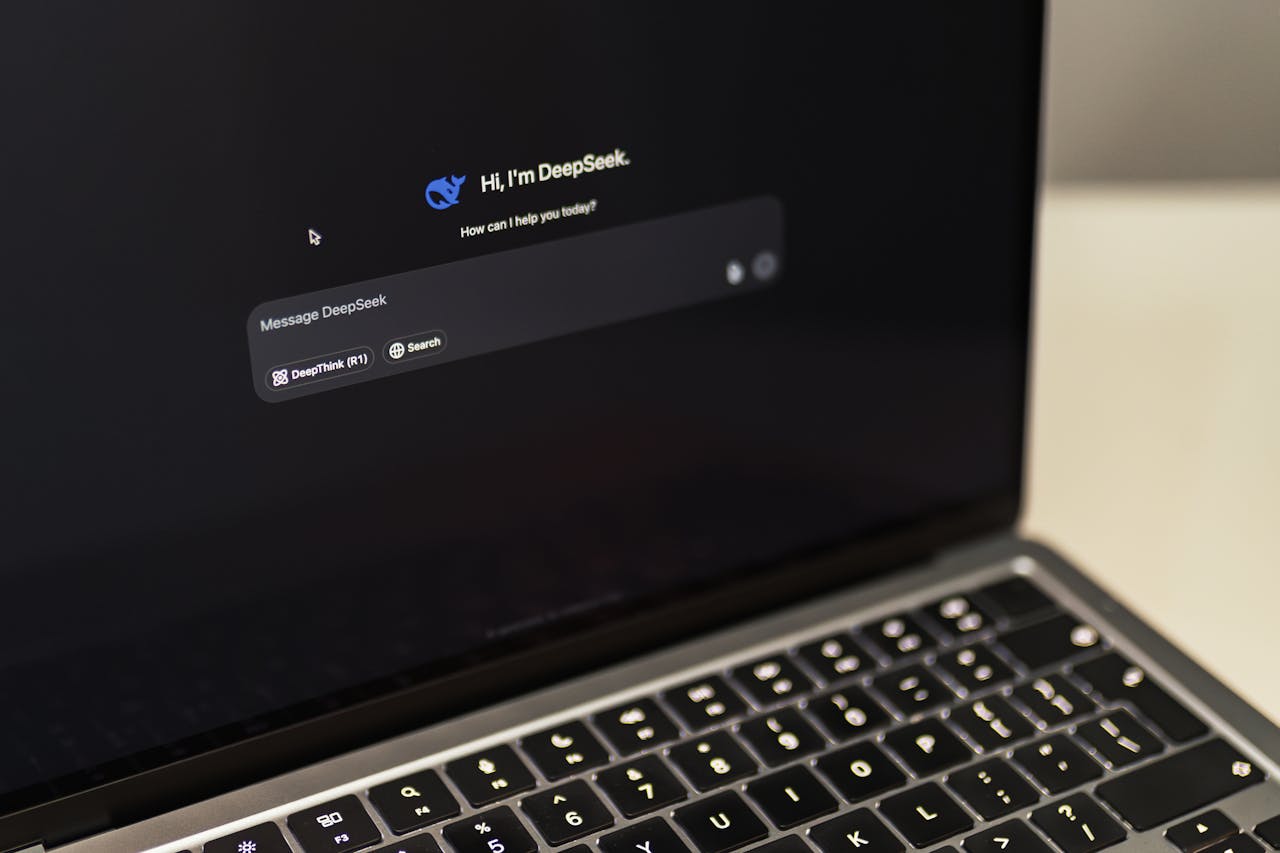
DeepSeek’s artificial intelligence (AI) models are giving Chinese chipmakers like Huawei a competitive edge against U.S. processors, particularly in AI inference tasks. Unlike Nvidia’s powerful chips designed for training AI models, DeepSeek optimizes computational efficiency, making it more compatible with Chinese-made AI chips.
Huawei, along with chipmakers Hygon, EnFlame, Tsingmicro, and Moore Threads, has announced support for DeepSeek models, though details remain scarce. Analysts suggest that DeepSeek’s open-source nature and affordability could drive AI adoption in China, helping firms navigate U.S. export restrictions on advanced chips.
Inference, which involves AI models generating conclusions, is less reliant on raw processing power compared to training. Huawei’s Ascend 910B chip, already favored by companies like ByteDance for inference tasks, further strengthens this shift. Industry experts note that while Nvidia dominates AI training, inference workloads provide Chinese chipmakers with more opportunities.
Despite DeepSeek’s advantages, Nvidia remains a key player. The company still supplies less powerful training chips to China, which can be used for inference. Additionally, Nvidia’s CUDA platform, essential for AI software development, maintains a significant lead. While Huawei has introduced a CUDA alternative called Compute Architecture for Neural Networks (CANN), convincing developers to switch remains challenging.
As China integrates DeepSeek into various industries, the country’s AI chipmakers gain momentum in the domestic market. However, Nvidia’s influence persists due to its superior software ecosystem and hardware efficiency.













