


 Nvidia Pauses AI Cloud Financing Deals Amid Antitrust Concerns
  South Korea, US Discuss Chip Investments Amid Tariff Plans
  PayPal Shares Sink as $50 Billion Takeover Bid Collapses
  Bitcoin Dips Before the Flip: Whales Load Up $3B as $80K Rebound Looms
  OpenAI Rejects Apple Trade Secret Theft Claims
  FxWirePro- Major Crypto levels and bias summary
  Chinese AI Stocks Rally After OpenAI Launches GPT-6 Astra
  Texas Republicans Turn Against AI Data Centers as Election Backlash Grows
  OpenAI Launches GPT-6 Astra With Advanced AI Agent Capabilities


 Add as a preferred source on Google
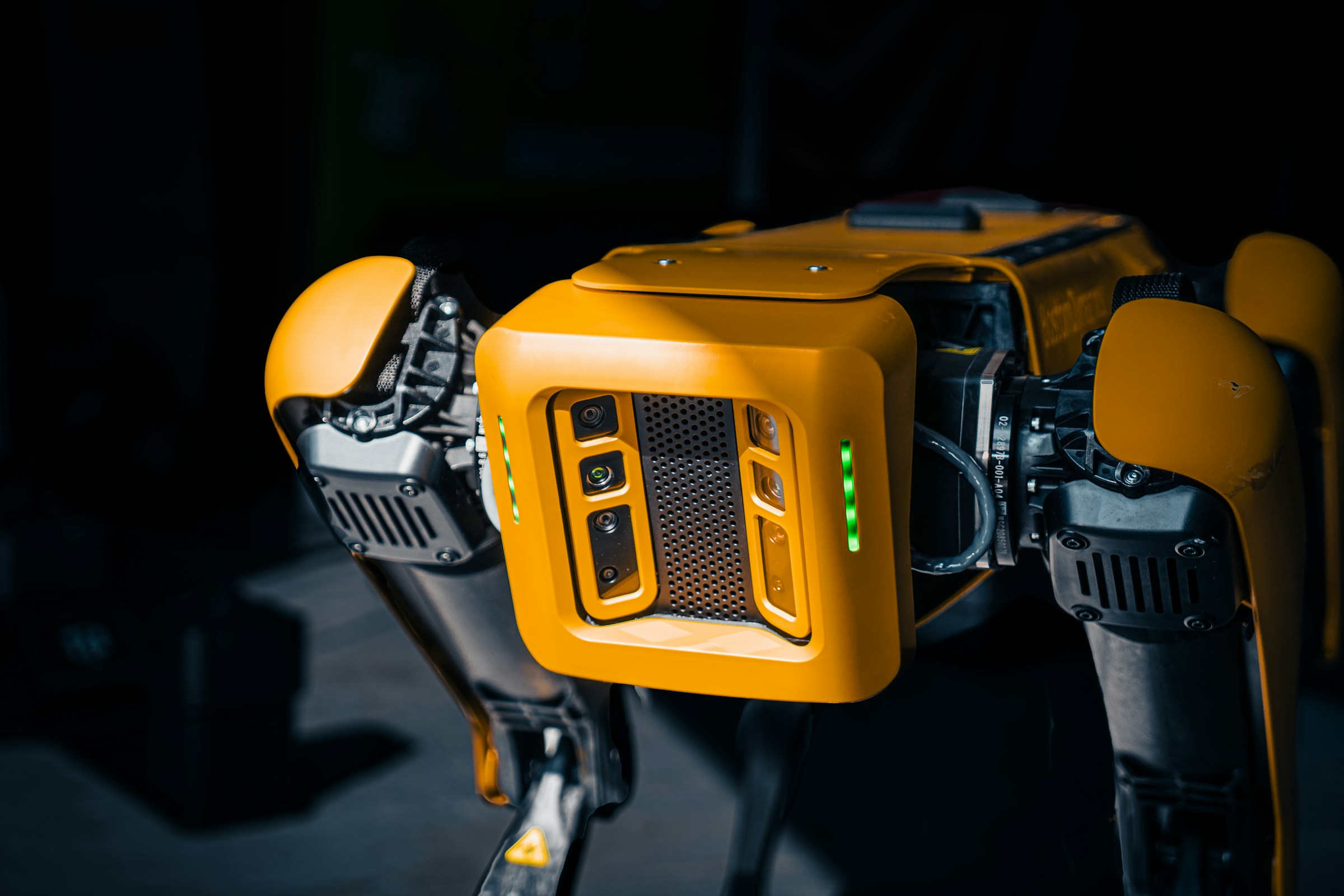
In the past year, the landscape of generative AI has ushered in transformative shifts in how people live and work.
The impact has been profound, from utilizing language models to craft legal strategies in court cases to employing image diffusion models to enhance workflows in major entertainment studios and witnessing the proliferation of self-driving cars through computer vision advancements.
While these breakthroughs promise innovation, a critical challenge hampers their widespread adoption: the scarcity of compute resources. Throughout 2023, wait times and hourly rates for spot instances of Nvidia's A100 and H100 chips have consistently risen. The production capacity of these chips struggles to meet the escalating demand, resulting in persistent shortages.
A perfect storm of materials constraints, supply chain disruptions, surging demand, geopolitical tensions, and prolonged production cycles for complex GPUs contributes to the ongoing shortage of graphics cards. Crucial materials like advanced silicon for GPU chips, specialized substrates for PCBs, and memory chips face shortages due to supply and demand imbalances.
AI's Impact on Datacenters and Investment Landscape
In 2023, data center revenues associated with AI workloads reached approximately $100 billion. However, the upfront capital expenditure required for data centers, encompassing land, electricity, and enterprise-grade hardware, poses a significant barrier. Setting up new data centers depends on external financing, but high-interest rates and tight capital conditions impede progress.
According to CoinDesk, the increasing size and complexity of AI models and a doubling of AI-specific compute requirements every six months outpace the halving of the price per unit of computational performance every thirty months. The demand for AI is set to grow exponentially, far exceeding the rate of supply.
Investors are eyeing this transformative juncture with anticipation. NVIDIA's year-to-date returns of 231.5% reflect the seismic impact of the AI renaissance. Yet, we are only scratching the surface of this technological revolution. Every Fortune 500 company is formulating its AI strategy, and the current demand is just a glimpse of the future. AI will augment and displace workforces and fundamentally reshape business operations, establishing compute as the new oil.
Decentralized Networks: A Solution on the Horizon
DePIN networks emerge as a potential game-changer in addressing the GPU supply crunch. Not only do they create net new GPU supply, but they are also markedly more cost-effective – up to 90% cheaper – compared to traditional cloud providers.
According to Crypto Potato, leveraging blockchain, these networks outsource GPU coordination and overhead, eliminating expenses associated with employee costs, hardware maintenance, and data center overhead. As we look ahead, decentralized networks are poised to become key players in the AI landscape, offering a promising solution to the current shortage of GPUs, especially affordable ones, necessary to meet the global demand.
Photo: Mika Baumeister/Unsplash







