


 Nvidia Nears $20 Billion OpenAI Investment as AI Funding Race Intensifies
  Nvidia, ByteDance, and the U.S.-China AI Chip Standoff Over H200 Exports
  Instagram Outage Disrupts Thousands of U.S. Users
  Sam Altman Reaffirms OpenAI’s Long-Term Commitment to NVIDIA Amid Chip Report
  Sony Q3 Profit Jumps on Gaming and Image Sensors, Full-Year Outlook Raised
  Baidu Approves $5 Billion Share Buyback and Plans First-Ever Dividend in 2026
  SpaceX Reports $8 Billion Profit as IPO Plans and Starlink Growth Fuel Valuation Buzz
  Google Cloud and Liberty Global Forge Strategic AI Partnership to Transform European Telecom Services
  Amazon Stock Rebounds After Earnings as $200B Capex Plan Sparks AI Spending Debate
  Anthropic Eyes $350 Billion Valuation as AI Funding and Share Sale Accelerate
  SoftBank and Intel Partner to Develop Next-Generation Memory Chips for AI Data Centers
  Global PC Makers Eye Chinese Memory Chip Suppliers Amid Ongoing Supply Crunch
  Oracle Plans $45–$50 Billion Funding Push in 2026 to Expand Cloud and AI Infrastructure
  SpaceX Prioritizes Moon Mission Before Mars as Starship Development Accelerates
  Tencent Shares Slide After WeChat Restricts YuanBao AI Promotional Links


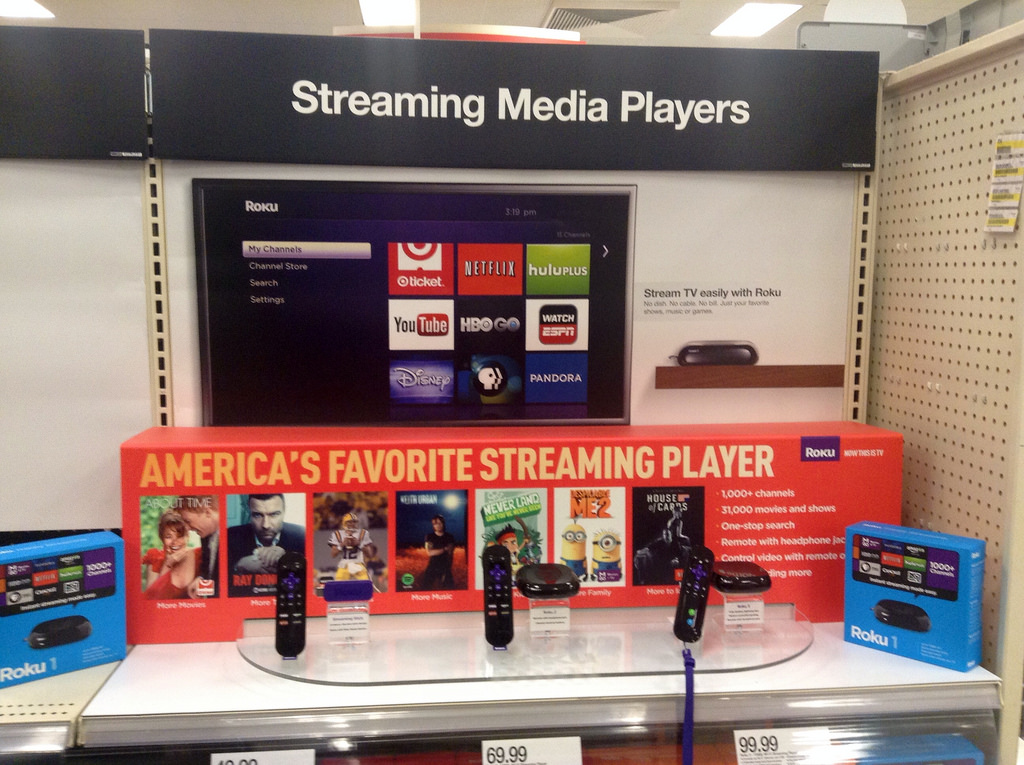
In a recent analysis of smart TVs from major brands, Consumer Reports found that they have several problems, which made them vulnerable to getting hacked. As such, consumers could have their personal information collected without them knowing and at much higher rates than they realize. These include what they’re watching and searching.
As USA Today reports, Consumer Reports discovered that the security measures of the smart TVs were so terrible, hackers were actually able to take over and control them remotely. They could do things like changing the channel and mess with the volume. Even more frightening is how the hackers were able to install new apps to the TVs, which could pave the way to the installation of malware.
During their tests, the non-profit consumer group actually hired a firm called Dissconnect to do the hacking for them. The fact that it was done so easily means that there is a serious oversight on the part of the companies making these smart TVs, saying how even "basic security practices were not being followed."
Among the units that were investigated include Samsung and the Roku TV by TCL. When told about the vulnerabilities in their TVs, the companies told the non-profit that they would be conducting their own investigations.
However, Roku decided that it would be a good idea to push back on the report that was released. In a recent blog post, the company’s Vice President, Gary Ellison said that Consumer Reports was wrong.
“Consumer Reports issued a report saying that Roku TVs and players are vulnerable to hacking. This is a mischaracterization of a feature. It is unfortunate that the feature was reported in this way. We want to assure our customers that there is no security risk,” the blog post reads.
Apparently, the hackers were able to use Roku’s own feature to hack its unit. The company said that this feature could be turned off.













