A new book called Bottled: How Coca-Cola Became African tells the story of how the world’s most famous carbonated drink conquered the continent. It’s a tale of marketing gumption and high politics and is the product of years of research by critical writing lecturer Sara Byala, who researches histories of heritage, sustainability and the ways in which capitalist systems intersect with social and cultural forces in Africa. We asked her some questions about the book.
What do you hope readers will take away?
There are three main takeaways. The first is that while Africa is largely absent from books on Coca-Cola, the company’s imprint on the continent is enormous. It is present in every nation. Most estimates put Coke as one of the largest private employers in Africa, if not the largest. Beyond official jobs, the company has been shown to have a multiplier effect that means that for each official job, upwards of 10 other people are supported.
The second takeaway is that Coke’s story in Africa is an old one. It starts with its use of the west African kola nut, from which it takes its name (if no longer its source of caffeine). Arriving in Africa in the early 1900s, it’s a story that is deeply and, often surprisingly, entangled with key moments in African history. This includes the end of apartheid in South Africa and the advent of postcolonial African nations.
Third, I want readers to see that while we may assume that a multinational company selling carbonated, sugary water is inherently a force for ill, both the history of Coke in Africa and my fieldwork suggest a far more complicated story. Coca-Cola is what it is today in Africa, I argue, because it became local. It bent to the will of Africans in everything from sport to music to healthcare. Its ubiquity thus tells us something about African engagement with a consumer product as well as the many ways in which ordinary people wield power.
How did Coca-Cola first arrive in Africa?
Coca-Cola doesn’t export a finished product from its corporate headquarters in the US. It sells a concentrate, which comes from a handful of locations around the globe, including Egypt and Eswatini. This concentrate is sold to licensed bottlers who then mix it with local forms of sugar and water before carbonating and bottling or canning it.
Coca-Cola lore says that the company first secured local bottlers for its concentrate in South Africa in 1928, its first stop on the African continent. By combing through old newspapers, archival documents, and pharmaceutical publications, however, I found evidence to suggest that Coke may in fact have been sold in 1909 in Cape Town as a short-lived soda fountain endeavour. This is just 23 years after the product was invented in Atlanta, Georgia.
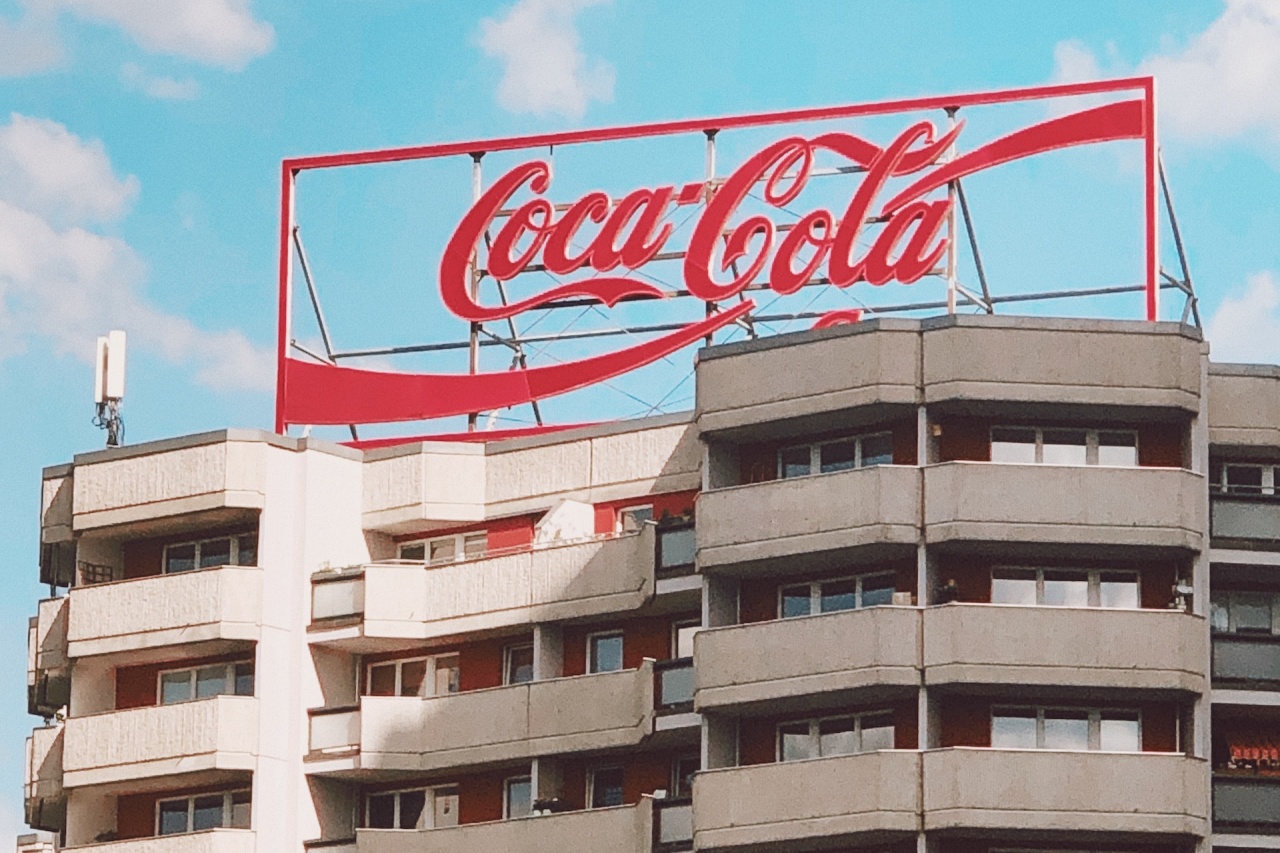
It was neither easy nor assured that Coca-Cola would take off anywhere in the world upon its arrival. The early chapters of my book detail the often ingenious lengths that bottlers had to go to to get Coke off the ground. This included creating a new line of sodas to support the fledgling product called Sparletta. This includes green Creme Soda and Stoney ginger beer, both still available for purchase. Later chapters explore the routes by which the product spread across the continent, by detailing everything from the co-branding of petrol stations with Coca-Cola, to the rise of Coke beauty pageants, the birth of local forms of Coke advertising, the proliferation of Coca-Cola signage, and much more.
What role did it play in apartheid South Africa?
Coca-Cola was entrenched in South Africa before the advent of the racist, white minority apartheid state in 1948. While the company largely attempted to stay out of politics in South Africa, much as it did elsewhere in the world, it resisted certain “petty apartheid” rules. For example, the washrooms and lunchrooms in its plants were open to all ethnic groups, unlike the “whites only” facilities established under apartheid. A turning point came in the 1980s when, in tandem with activism in the US calling on the company to redress racial imbalances in America, the company was forced to reexamine its racial politics in South Africa as well.
What followed was perhaps the most interesting chapter in the story of Coca-Cola in Africa. Breaking with established precedent, the company took a stance against the apartheid state. Coca-Cola executive Carl Ware led the way here. Under his direction, the company crafted a unique form of disinvestment that enabled it to do what no other company managed: keep the products in the country while depriving the apartheid state of tax revenue. To do this, the company sold all its holdings to a separate business that continued to sell Cokes. It then moved its concentrate plant to neighbouring Eswatini, leaving Coca-Cola with no assets or employees in South Africa.
In part, this was possible because the company aligned itself with the African National Congress (ANC), making a host of moves to help to end apartheid. These included meeting in secret with ANC leadership, funding clandestine meetings between the ANC and businesspeople, and setting up a charitable fund headed by Archbishop Desmond Tutu to support Black educational empowerment. In the book, I document these activities for the first time with extensive interviews and archival material.
It was during this era of disinvestment that Coca-Cola exploded within densely populated and remote parts of the country, providing on-ramps to economic participation for scores of South Africans that were later replicated with its global 5x20 project to empower women in business.
This spread in turn drove the consumption of liquid sugar to new heights, causing a host of other problems such as diabetes and dental cavities, which both the company and my book tackle too.
What I demonstrate in the book is that Coca-Cola’s shrewd positioning at the end of apartheid allowed it to emerge, in the post-apartheid landscape, ready not only to renew business in South Africa, but also to reinvigorate its presence on the continent at large. The question is how to weigh this spread (and its attendant benefits) against the costs.