


 MATCH Act Targets ASML and Chinese Chipmakers in New U.S. Export Crackdown
  Golden Dome Missile Defense: Anduril and Palantir Join Forces on Trump's $185B Space Shield
  SMIC Allegedly Supplies Chipmaking Tools to Iran's Military, U.S. Officials Warn
  Rubio Directs U.S. Diplomats to Use X and Military Psyops to Counter Foreign Propaganda
  SpaceX IPO Filing Expected This Week as Valuation Could Surpass $75 Billion
  Makemation: a Nollywood movie that shows AI in action in Africa
  SK Hynix Eyes Up to $14 Billion U.S. IPO to Fund AI Chip Expansion
  Reflection AI Eyes $25 Billion Valuation in Massive $2.5 Billion Funding Round
  OpenAI Pulls the Plug on Sora, Ending $1 Billion Disney Partnership
  Microsoft's $10 Billion Japan Investment: AI Infrastructure and Data Sovereignty Push
  Chinese Universities with PLA Ties Found Purchasing Restricted U.S. AI Chips Through Super Micro Servers
  Apple Turns 50: From Garage Startup to AI Crossroads
  TSMC Japan's Second Fab to Produce 3nm Chips by 2028
  Elon Musk Ties SpaceX IPO Access to Mandatory Grok AI Subscriptions
  NASA's Artemis II Mission: First Crewed Lunar Journey Since Apollo
  Google's TurboQuant Algorithm Sends Memory Chip Stocks Tumbling
  Australia's Social Media Ban for Under-16s Sparks Global Movement


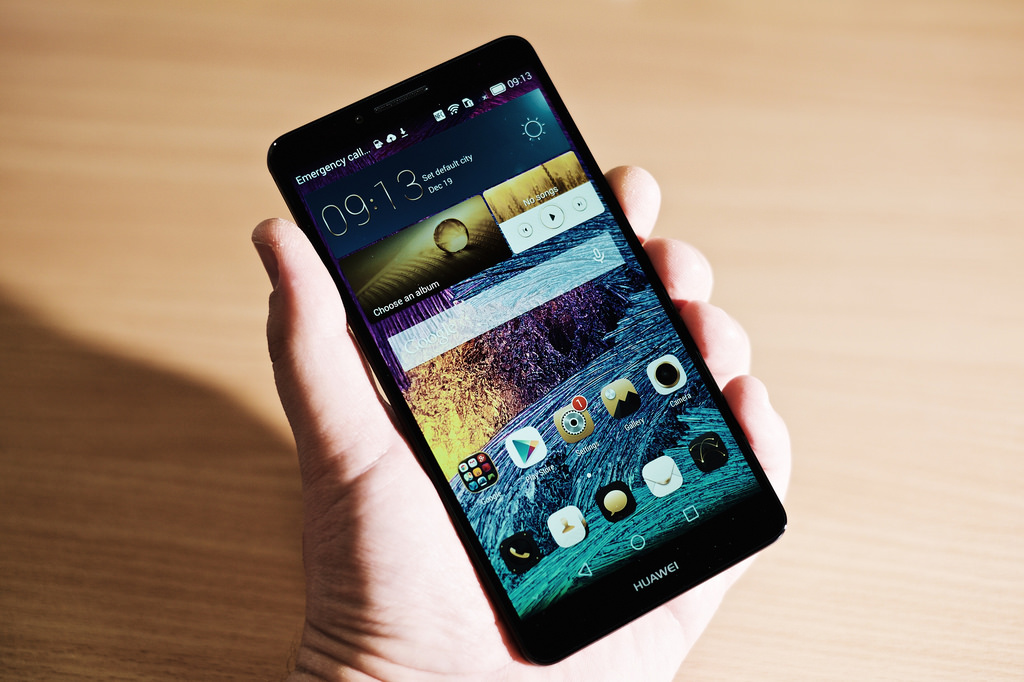
When it comes to filing lawsuits against parties that have committed copyright violations or patent infringements, American companies are usually the most zealous at doing the filing. This is why “Huawei’s” decision to sue “T-Mobile” over a patent complaint is so jarring to so many because it serves as a stark reminder that companies from other countries can use legal action against U.S. brands as well. In this case, the Chinese telco giant is suing the American mobile Uncarrier over a 4G patent violation.
The whole debacle supposedly started back in 2014 when “T-Mobile” decided to sue “Huawei” over phone testing technology, according to Engadget. At the time, the Chinese company couldn’t do anything until the American mobile carrier decided not to sign an agreement pertaining to the 14 4G technology patents that “Huawei” held the rights to and “T-Mobile” was using.
BizJournals has a detailed report on the issue, including “T-Mobile’s” refusal to license the patents that it is using. Oddly enough, “Huawei” is not asking for monetary compensation from the US District Court, but it is hoping that the lawsuit will force the budget-friendly mobile company to sign the licensing agreement that fell through.
One thing to note is that the lawsuit was filed in Eastern Texas, which is a known hotspot for patent trolls to sue parties that are supposedly infringing on their patent right by using technology that they owned. This isn’t to say that “Huawei” is being a patent troll with its move against “T-Mobile” since, by all accounts, it does have legs to stand on with regards to the 4G patents that the carrier is using, according to Android Police. However, the location does cast a shadow over what would otherwise have been a legitimate case by the Chinese telco.
‘T-Mobile” isn’t the first company that “Huawei” sued over patent infringement since it also sued “Samsung” over similar complaints in the past.







