


 Best Gold Stocks to Buy Now: AABB, GOLD, GDX


 Add as a preferred source on Google
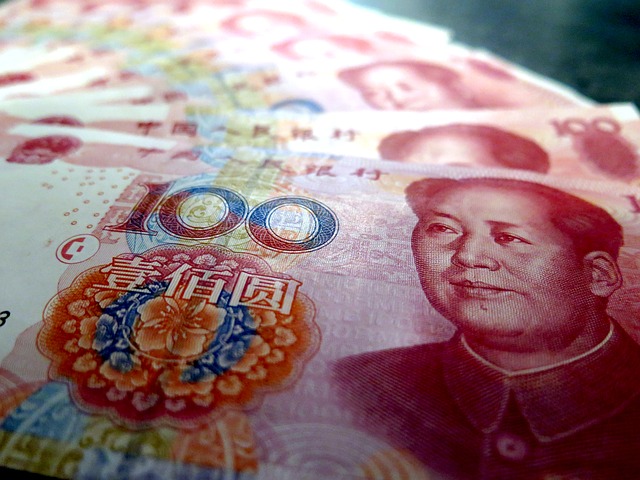
In a surprise move last night, the People's Bank of China (PBoC) announced a one-time 1.9% devaluation of the renminbi (RMB) - the biggest daily change since it moved a managed float a decade ago. The PBoC's move was telegraphed as necessary to move its daily reference rate with the U.S dollar closer to market pricing, which had been trading close to its allowed limit of 2.0%.
In the aftermath of the decision, the market rate weakened by roughly the same amount, suggesting that a further depreciation of the RMB may be forthcoming. The announcement comes as China is taking steps to internationalize the RMB and increase its usage in global trade and investment. The move to a greater role for market pricing is in line with China's desire for the RMB to join the IMF's group of official reserve currencies that make up its special drawing right (SDR). This paper takes a step back to look at the challenge posed by the RMB to the U.S. dollar's role as the preeminent global reserve currency.
China's size and extensive trading relationship warrant a larger role for the RMB in global reserves, but it's potential inclusion in the SDR is not a game changer for the currency's status. China still has a way to go in achieving full convertibility of its currency. While the RMB's use in trade settlement has expanded rapidly, authorities have taken a piecemeal approach to easing restrictions on inbound and outbound investment. Regulatory restrictions and frequent government intervention will continue to weigh down RMB utilization in comparison to fully tradable currencies. Becoming a major reserve currency will require more than easing restrictions.
The dollar's role as a safe haven is supported by the depth of its financial markets and the transparency of its legal and regulatory framework. China has a long road of reform to go. Major reserve currency status is also inconsistent with the growth model based on an undervalued currency and net foreign investment that China has leveraged to achieve its rapid growth. Until China's domestic economy is strong enough to handle the flow of foreign goods into its country necessary to supply RMB to the rest of the world, it will not be in the position to be a major reserve currency. The bottom line is that the renminbi will not challenge the dollar as the world's foremost reserve currency in the foreseeable future. America's deep institutional advantages ensure that it will retain its position as a dominant global reserve currency.

- News

- Economy

- Central Banks
- Investing
- Research
- Roundups
- Digital Currency
- Insights
- Technical Analysis
- Technology
- Business
- Law
- Health
- Nature
- Fintech
- Science
- Topic
- Opinions
- ©Econometrics LLC . All Rights Reserved.
China’s renminbi will not threaten the dollar’s reserve currency status
Tuesday, August 11, 2015 8:38 PM UTC
Editor's Picks



- Market Data
Most Popular




