


 UK PM Burnham to Unveil Economic Vision at Labour Conference
  Tesla Semi Rollout Begins at Nevada Factory
  Meta Found Liable in New Mexico Facebook Data Privacy Case
  Wall Street Ends Flat as Oil, Treasury Yields and Fed Jitters Rattle Markets
  SpaceXAI to Double Nvidia Chips at Colossus 2 by Year-End
  U.S. Dollar Hits Two-Month High as Oil, Treasury Yields Surge
  Oura IPO Draws Strong Demand Ahead of $2.2 Billion Offering
  Solidigm Eyes $150 Billion IPO as SK Hynix Expands AI Storage Push
  Dollar Falls as Oil Eases, Yen Jumps on Intervention Signals
  Dollar Holds Near Two-Month High as Yen Approaches 160
  Fed Unveils Stablecoin Rules Under GENIUS Act
  Gold Holds Near $4,275 as Rising Treasury Yields Fuel Fed Rate Hike Bets
  Oil Prices Jump 3% as Houthi Attack Revives Supply Fears
  US 10-Year Treasury Yield at 6% Emerges as New Market Risk Threshold
  OpenAI Agents Access U.S. Government Websites During Testing
  Akamai Shares Surge on $11.6B Anthropic AI Cloud Deal
  Fed Unveils Stablecoin Rules Under GENIUS Act


 Add as a preferred source on Google
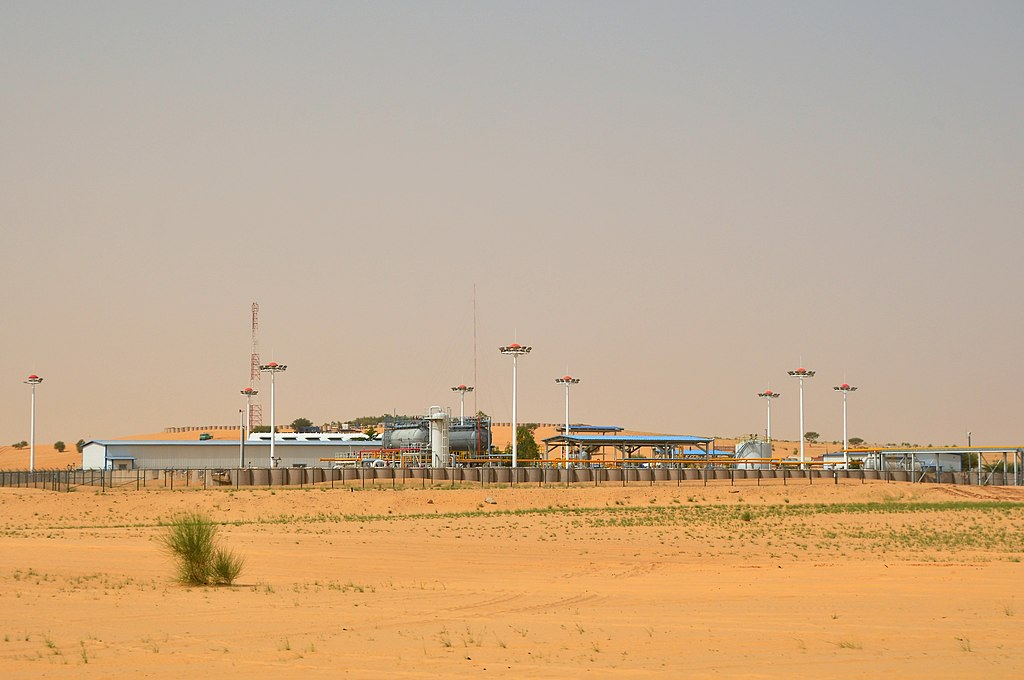
China’s independent oil refiners, known as teapots, have slightly increased their crude processing rates, but face mounting pressure from sluggish domestic fuel demand, rising geopolitical tensions, and new U.S. sanctions. Based in Shandong province, teapots account for roughly 25% of China’s refining capacity and are key buyers of discounted crude from Iran, Russia, and Venezuela.
According to consultancy Oilchem, average utilization among teapots rose to 46% in March—the first increase in three months—after plunging below 45% in February, the lowest in two years. Despite the improvement, the rates remain well below late 2023 levels of 65%, and far behind state-owned refiners, which consistently operate above 75%.
The modest March recovery was driven by increased crude supply from Iran and Russia as non-sanctioned vessels entered the market. However, U.S. sanctions, particularly those imposed on Shandong-based Shouguang Luqing Petrochemical, continue to threaten feedstock supply and profitability. New sanctions on Iran may further disrupt flows, forcing teapots to seek alternatives in Russia, Brazil, or the Middle East.
Consultancy FGE reported a 50,000 barrels-per-day rebound in March for teapots, following a steep 400,000 bpd decline between December 2024 and February 2025. Seasonal demand for diesel in April and May is expected to lift run rates, though they will likely remain 250,000 bpd below last year’s levels.
Meanwhile, rising electric vehicle use and increased liquefied natural gas (LNG) adoption are reducing gasoline and diesel consumption, projected to fall another 3% in 2025. Heightened trade tensions—sparked by fresh U.S. and Chinese tariffs—add further uncertainty to China’s fuel demand outlook.
If teapot runs continue to weaken, China’s crude imports and fuel exports may be impacted, contributing to global oil market volatility.







