


 China Agrees to Buy 20 Million Tons of U.S. Coal
  Fed Unveils Stablecoin Rules Under GENIUS Act
  Dollar Falls as Oil Eases, Yen Jumps on Intervention Signals
  China Consumer Stocks Near Decade Lows as AI Shares Surge
  U.S. Dollar Hits Two-Month High as Oil, Treasury Yields Surge
  US Comfortable With Canada Trade Standoff as Import Bans Loom
  Fed Unveils Stablecoin Rules Under GENIUS Act
  Dollar Holds Near Two-Month High as Yen Approaches 160
  Trump, Xi Focus on Trade and AI at White House Summit
  Gold Prices Fall as Treasury Yields Rise on Fed Rate Hike Bets
  Asian Stocks Fall as Surging Bond Yields Rattle Markets
  Oil Prices Fall on U.S.-Iran Hormuz Deal Hopes
  Japanese Bank Stocks Surge as Bond Yields Fuel Rate Hike Bets
  Wall Street Ends Flat as Oil, Treasury Yields and Fed Jitters Rattle Markets
  US Stock Futures Fall as Treasury Yields Surge Ahead of Trump-Xi Summit
  UK PM Burnham to Unveil Economic Vision at Labour Conference
  Oil Prices Jump 3% as Houthi Attack Revives Supply Fears


 Add as a preferred source on Google
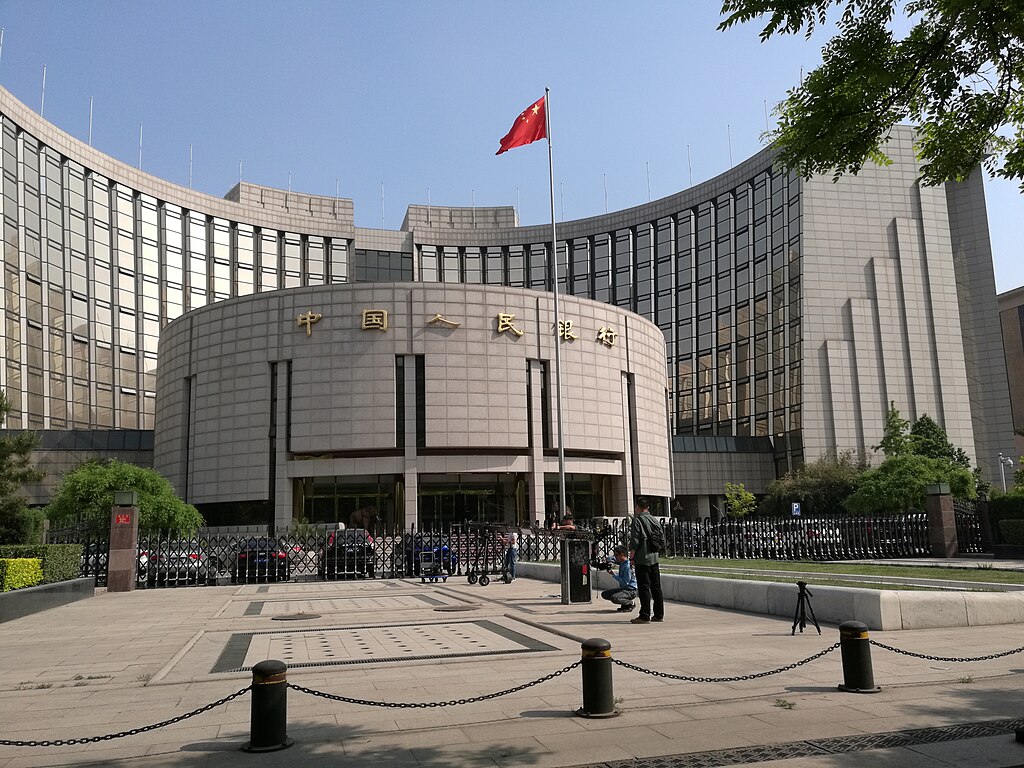
China's Central Bank Introduces New Liquidity Tool
The People’s Bank of China (PBOC) has unveiled a new monetary tool to ensure liquidity in the banking system. Announced on Monday, the central bank activated its open market outright reverse repo operations facility, which will be utilized monthly for trading with primary dealers.
This move aims to maintain a “reasonable abundance of liquidity” in the financial system and expand the central bank’s monetary policy options. The PBOC's new tool is expected to play a crucial role in balancing liquidity, particularly as the year comes to an end.
According to **Shanghai Securities News**, the reverse repo facility will likely cover three- and six-month tenors, providing a means to adjust liquidity over the next year. The tool is designed for transactions with a tenor of less than one year, aligning with the central bank’s short-term liquidity management goals.
The introduction of this facility comes at a strategic time, as the PBOC aims to counter the impending expiration of medium-term lending facilities by the end of the year. By utilizing this new reverse repo tool, the central bank seeks to stabilize the financial market and ensure adequate liquidity for economic growth.







