


 Japanese Pharmaceutical Stocks Slide as TrumpRx.gov Launch Sparks Market Concerns
  Nvidia, ByteDance, and the U.S.-China AI Chip Standoff Over H200 Exports
  Uber Ordered to Pay $8.5 Million in Bellwether Sexual Assault Lawsuit
  Gold Prices Slide Below $5,000 as Strong Dollar and Central Bank Outlook Weigh on Metals
  South Africa Eyes ECB Repo Lines as Inflation Eases and Rate Cuts Loom
  Nvidia CEO Jensen Huang Says AI Investment Boom Is Just Beginning as NVDA Shares Surge
  Nintendo Shares Slide After Earnings Miss Raises Switch 2 Margin Concerns
  Amazon Stock Rebounds After Earnings as $200B Capex Plan Sparks AI Spending Debate
  AMD Shares Slide Despite Earnings Beat as Cautious Revenue Outlook Weighs on Stock
  Rio Tinto Shares Hit Record High After Ending Glencore Merger Talks
  TSMC Eyes 3nm Chip Production in Japan with $17 Billion Kumamoto Investment
  Palantir Stock Jumps After Strong Q4 Earnings Beat and Upbeat 2026 Revenue Forecast
  OpenAI Expands Enterprise AI Strategy With Major Hiring Push Ahead of New Business Offering
  Baidu Approves $5 Billion Share Buyback and Plans First-Ever Dividend in 2026
  Dollar Near Two-Week High as Stock Rout, AI Concerns and Global Events Drive Market Volatility
  American Airlines CEO to Meet Pilots Union Amid Storm Response and Financial Concerns
  SpaceX Prioritizes Moon Mission Before Mars as Starship Development Accelerates


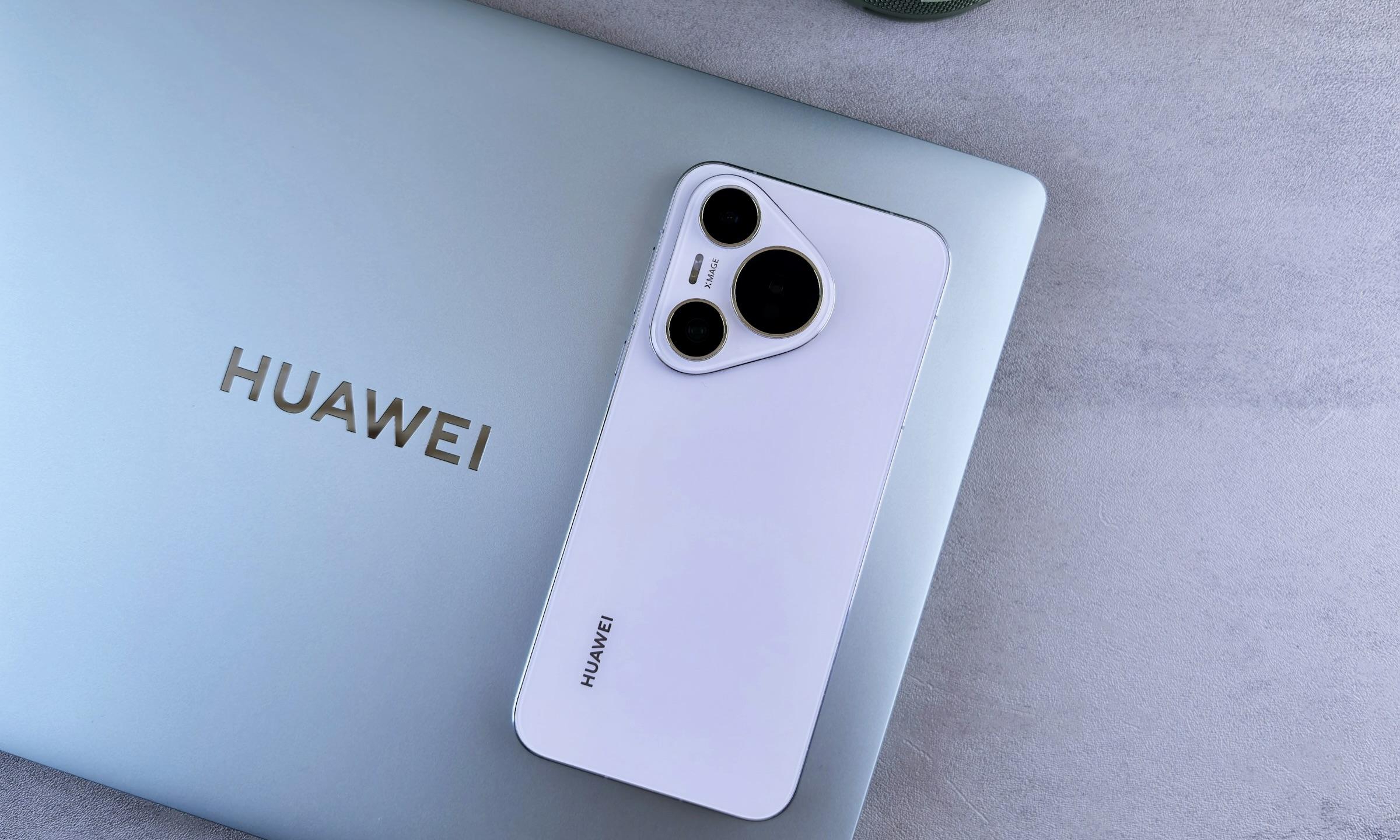
Smartphone shipments in China declined by 2.4% year-on-year in the second quarter of 2024, according to a report by Counterpoint Research. The overall market showed signs of stagnation amid continued macroeconomic uncertainty and weak consumer sentiment.
Despite the broader slowdown, Huawei saw strong momentum, with its smartphone sales surging 17.6% compared to the same period last year. The Chinese tech giant reclaimed the top position in the domestic market with an 18.1% share of total shipments. The growth is attributed to Huawei’s expanded product lineup and strong demand for its HarmonyOS-powered devices.
Meanwhile, Apple (NASDAQ: AAPL) experienced a modest sales decline of 1.6% year-on-year. The U.S. tech giant continues to face stiff competition from Chinese manufacturers and increasing regulatory scrutiny in the region. The launch of the iPhone 16 series in September 2024 helped cushion some of the losses but failed to reverse the overall trend.
Following Huawei in shipment rankings were Vivo, Oppo, and Xiaomi (OTC: XIACF), which continued to hold significant market shares but faced challenges in growing amid the tough economic climate and saturation in the mid-to-low-end segments.
Counterpoint analysts noted that while premium models continue to perform relatively well, the mid-tier segment is under pressure, and the market may remain subdued in the coming quarters.
The shift in consumer preference towards homegrown brands like Huawei highlights an evolving dynamic in China’s smartphone market. As domestic players ramp up innovation and ecosystem integration, foreign brands may need to recalibrate their strategies to maintain relevance.
Searches related to smartphone market trends, Huawei growth, and Apple China sales are expected to spike as stakeholders monitor the competitive landscape in the world’s largest smartphone market.













