


 Eli Lilly Eyes AtaiBeckley Acquisition to Expand Psychedelic Mental Health Pipeline
  FDA Investigates New Cyclospora Outbreak as U.S. Cases Continue to Rise
  AstraZeneca Shares Sink After Wainua Trial Misses Key Heart Disease Goal
  GSK Unveils $2.52 Billion Cost-Cutting Plan to Accelerate Drug Pipeline
  Novartis M&A Strategy Faces Investor Scrutiny After Drug Setbacks
  U.S. Issues Cuba Health Alert as Illnesses Rise
  Trump Signs Order to Cut Routine Childhood Vaccines
  SK Biopharmaceuticals Secures Global Rights to Biohaven Epilepsy Drug Opakalim
  US-Backed Pediatric HIV Treatment Drops After Foreign Aid Changes, Study Finds
  Venezuela Earthquake Health Risks Rise as Disease Monitoring Intensifies
  Moderna Wins FDA Approval for mFLUSIVA mRNA Flu Vaccine for Adults 50+
  Novo Nordisk Eyes Turnaround as Oral Wegovy Challenges Eli Lilly in Weight-Loss Drug Race
  Novo Nordisk Strikes €1.17 Billion Nanexa Drug Delivery Deal
  Moderna Short Sellers Hit With $4.8 Billion Loss as Stock Soars


 Add as a preferred source on Google
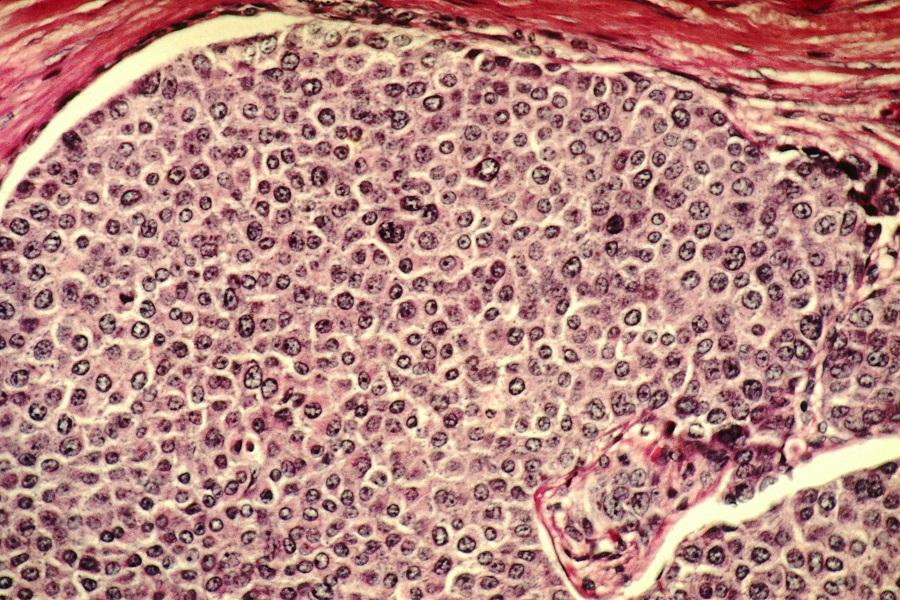
The question seems simple. With the significant advances in most areas of modern technology and health care, why has there yet to be any declared cure for cancer?
When people talk about cancer research, the general assumption is that the medical research community is united in its efforts to battle the singular disease known as cancer. But cancer is not just one disease that manifests the same way in every individual with a diagnosis.
To define cancer more elegantly, it is a group of diseases that are defined by abnormal cell growth with the potential to spread to other parts of an afflicted individual's body. The scope of the word "cancer" is so huge that the National Cancer Institute (NCI) has a directory ranging from A to Z filled with hundreds of known cancers.
Treatments for individuals with different cancer types differ significantly from each other. While the goal is to eliminate the continuous abnormal cell growth and prevent the abnormal growth from spreading to other parts of the body, the amount of variance between successful treatment cycles means a more targeted methodology that allows consistency of treatment to take place is needed to successfully deal with cancers.
While the field of cancer treatment continues to be a frontier that is continuously being explored while simultaneously being practiced, some researchers have started asking why the human body's immune system does not target the abnormal growths that are hallmarks of cancers. Just earlier this month, two independently working researchers who have made breakthroughs in immune checkpoint therapy research by seeking answers to the question above were honored by the Nobel Prize Committee.
James Allison of the MD Anderson Cancer Center and Tasuku Honjo of Kyoto University have been looking into why the immune system is incapable of dealing with an individual's cancer. Their individual researches are based on the hypothesis that while the immune system is aware of the abnormal cell growth, it “gets shut down” before it can effectively do its job.
Allison and Honjo's methodologies may be different, but both of them have found significant success over previous treatments in their clinical trials. The fact that their researches are based on the premise of using the immune system to target abnormal cell growth also allows them to handle a broad spectrum of diseases that fall under the general definition of cancer.
If methodologies based on Allison's and Honjo's researches continue to propagate and are further refined, the quality of life of most individuals afflicted by cancer can be increased significantly. While the potential cancer treatments from Allison and Honjo have yet to promise the total eradication of cancer, they have shaped the field's understanding of how to approach the problem of cancer for generations to come.







